
 简体中文
简体中文 Русский
 Français
 Português
 Español
 لالعربية
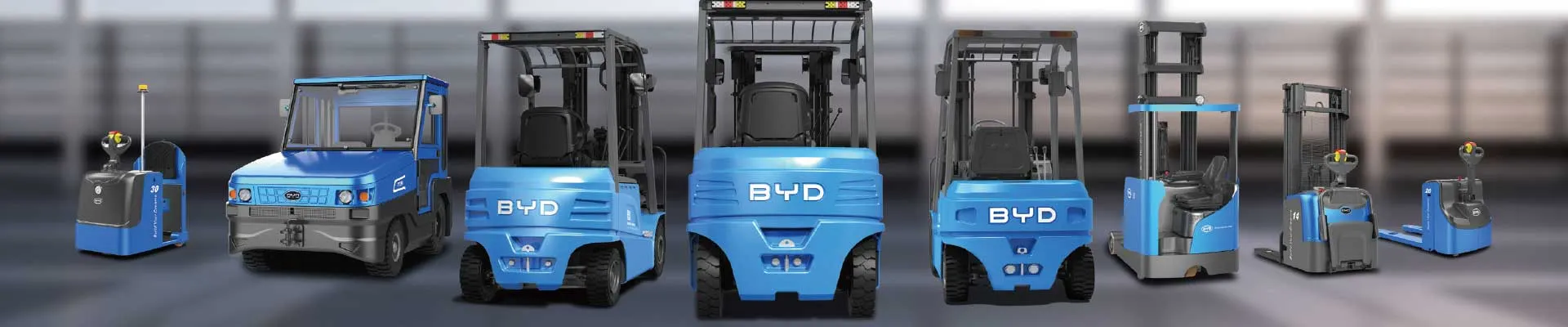
.jpg "Ride-On Pallet Trucks: Comfort and Speed for Big Facilities(figure1)")
Against the background of accelerating low-carbon transformation of the global logistics industry, electric forklifts have gradually become the mainstream material handling equipment in indoor and enclosed working scenarios due to their low noise, zero local emission and flexible operation characteristics. As a professional in the electric forklift industry with years of research and popularization experience, we sort out systematic practical knowledge for frontline operators and warehouse managers to avoid common improper use behaviors.
Core Performance and Application Value of Electric Forklifts
Unlike traditional internal combustion forklifts, electric forklifts are driven by on-board power batteries, which do not produce exhaust gas during operation, and can keep the working environment of warehouses, food processing workshops and pharmaceutical storage areas clean and compliant. The overall noise level of normal running electric forklifts is significantly lower than that of fuel-powered equipment, which can reduce the long-term hearing pressure of on-site operators and avoid disturbing other working areas in the same plant. Most conventional electric forklift models have compact body design, which can flexibly pass through narrow aisles of modern standard warehouses, and give full play to their advantages in high-density storage scenarios.
Standardized Operation Requirements for Safe Daily Use
Operators need to receive pre-job professional training before officially driving the electric forklift, and get familiar with the distribution of control buttons, brake response distance and load limit parameters of the equipment. Before each start-up, it is necessary to check the remaining power of the battery, the flexibility of the lifting hydraulic system and the wear degree of the driving wheels, and do not carry out overload handling operations beyond the rated load range. When the equipment is running in the aisle, the driving speed should be kept at a low level, and sufficient safety distance should be maintained with surrounding goods, shelves and passing personnel to avoid accidental collision.
Routine Maintenance Skills to Stabilize Equipment Performance
After each daily use, operators should park the electric forklift in the designated parking area, lower the lifting forks to the horizontal position close to the ground, and turn off the main power switch of the equipment in time. The surface of the power battery should be kept clean and dry, and the charging operation should be carried out in accordance with the specified process requirements, to avoid excessive power loss of the battery which affects the overall service life. Regularly check the lubrication condition of each rotating shaft and transmission part, and add professional lubricating oil on schedule to reduce the friction loss of mechanical parts in long-term operation.


