
 简体中文
简体中文 Русский
 Français
 Português
 Español
 لالعربية
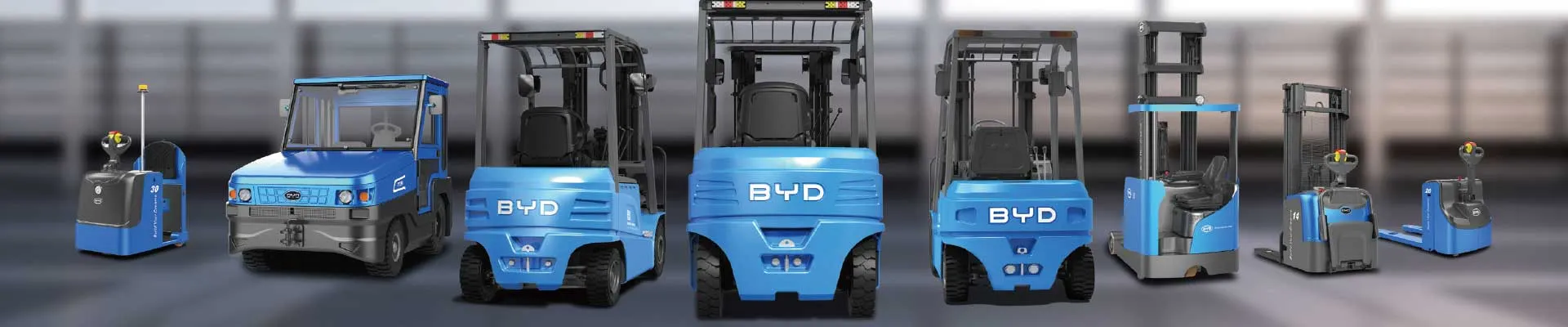
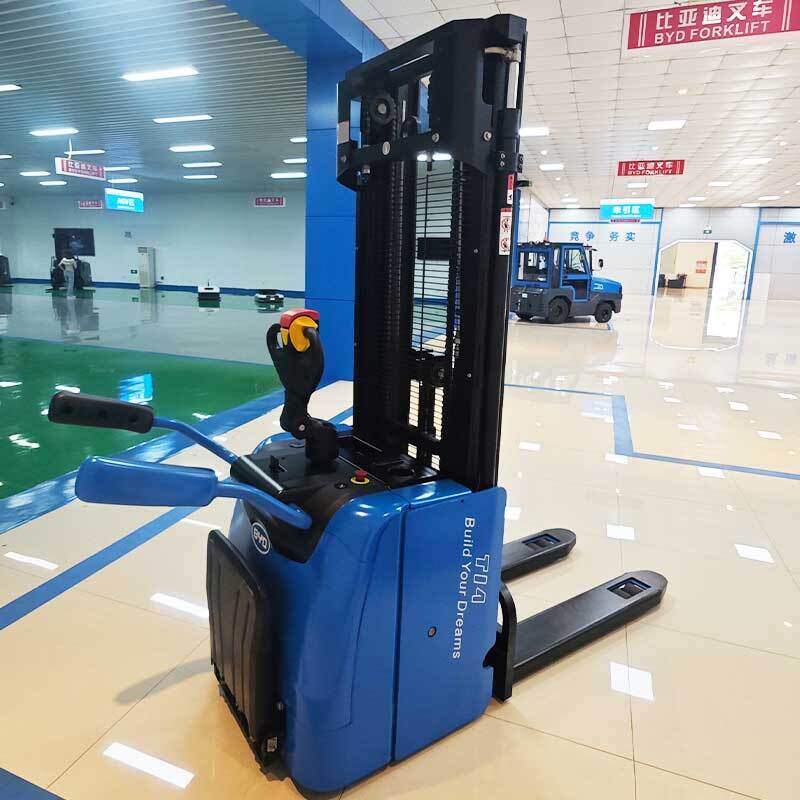
As low-carbon logistics development accelerates across different industrial sectors, electric forklifts have become one of the most widely adopted material handling equipment in indoor warehouses, manufacturing workshops and distribution hubs, replacing a large share of internal combustion forklift applications in closed or semi-closed working scenarios.
Core Functional Advantages of Electric Forklifts for Daily Scenarios
Unlike fuel-powered counterparts, electric forklifts generate zero tailpipe emissions during operation, which effectively avoids air pollution and peculiar smell accumulation in enclosed working spaces, creating a healthier working environment for on-site operators. The overall noise level of running electric forklifts is also significantly lower than that of internal combustion models, which reduces noise interference for surrounding working staff and meets the environmental protection requirements of modern workshop management. The power output of electric forklifts can be adjusted smoothly according to actual load conditions, providing relatively stable lifting and moving performance when handling heavy or fragile goods, which reduces the risk of accidental cargo damage during handling processes.
Routine Maintenance Rules to Reduce Long-term Operating Costs
Regular inspection of the battery pack is the core part of electric forklift maintenance. Operators need to check the battery connection status and electrolyte level in accordance with the operation manual requirements before each shift, and avoid overcharging or deep discharging behavior that may cause unnecessary damage to the battery unit. The running parts including lifting chains, wheels and brake systems should also be inspected periodically, with dust and residual debris cleaned up in time to reduce component wear. Proper daily maintenance can effectively extend the overall service life of the equipment, and cut down unexpected downtime caused by sudden component faults, bringing more steady operation support for daily material arrangement work.
Standardized Operation Guidelines to Improve Working Efficiency
Before starting each operation task, operators need to confirm the actual load weight of the goods, to avoid exceeding the rated load capacity of the forklift, which may cause tilting or unbalanced conditions. During the moving process in narrow warehouse aisles, operators should control the moving speed at a reasonable level, and keep a safe distance from surrounding storage racks and other on-site staff. For long-distance transfer tasks, proper route planning in advance can avoid repeated detours, further improving the overall material turnover efficiency of the warehouse. When deployed properly, electric forklifts can bring stable and reliable material handling support for different types of industrial scenarios, matching the low-carbon and high-efficiency development trend of modern logistics systems.


