
 简体中文
简体中文 Русский
 Français
 Português
 Español
 لالعربية
.jpg "Practical Forklift Safety Drills for the Warehouse Floor(figure1)")
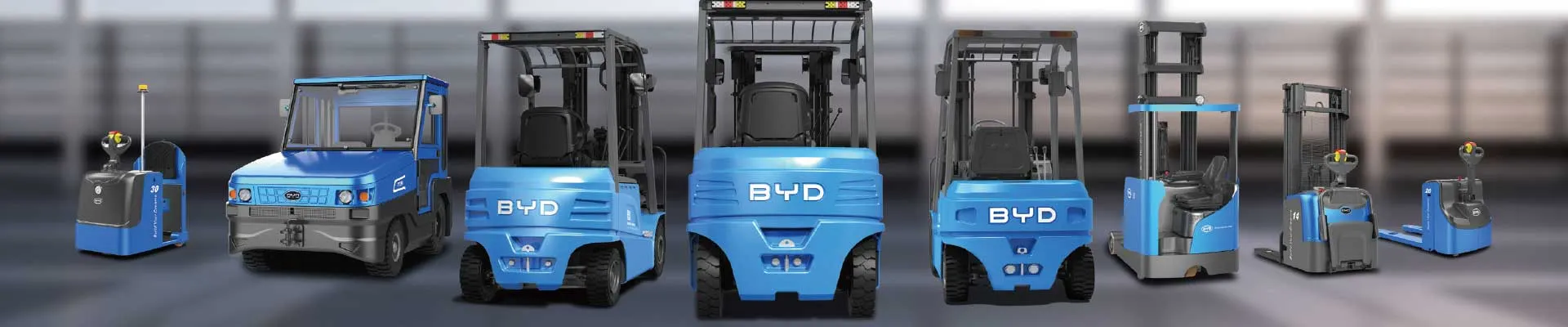
As low-carbon logistics and lean warehouse management concepts become increasingly popular, electric forklifts have been widely applied in various indoor and enclosed scenarios for cargo transportation and stacking. Unlike traditional internal combustion forklifts, electric driven models have unique operational characteristics and usage requirements that need to be fully mastered by trained operators, so as to give full play to their performance advantages while maintaining long-term stable operation.
Core Safety Pre-operation Check Protocols
Before the start of each working shift, operators need to complete a series of standardized inspection steps to eliminate potential hidden risks in advance. The inspection scope covers the status of the power supply system, the flexibility of the lifting and steering mechanisms, the sensitivity of the brake system, and the integrity of the warning light and sound prompts. Operators should also confirm that the surrounding operation area is free of irrelevant personnel and unexpected obstacles, and the load weight does not exceed the rated load range of the equipment, to avoid unstable center of gravity during the processes of lifting and moving.
Routine Maintenance Practices to Extend Stable Service Life
Regular standardized maintenance operations can effectively reduce the failure rate of electric forklifts and prolong their normal service cycle. For the power battery part, it is recommended to follow the official specified charging process, avoid long-term full discharge, and keep the surface of the battery pack clean and dry to prevent potential short circuit risks caused by accumulated dust and residual water stain. For the walking and transmission parts, regularly check the lubrication status of the rotating shaft and gear structure, timely remove the sundries wrapped around the tire surface, and replace the worn brake pads and driving tires according to the actual wear degree, so as to keep the equipment in good running condition all the time.
Operation Optimization Methods to Improve Working Efficiency
Reasonable operation habits can further improve the working efficiency of electric forklifts in daily material handling work. When driving on uneven or slippery ground, keep a relatively stable driving speed, avoid frequent sudden acceleration and sudden braking, and plan the handling route in advance to reduce unnecessary repeated turning and long-distance empty load driving. For high-frequency stacking scenarios, operators can adjust the lifting speed smoothly according to the actual height of the goods and the position of the shelf, reduce the waiting time in the operation gap, and effectively improve the overall cargo throughput of the whole warehouse site.


