简体中文
 Русский
 Français
 Português
 Español
 لالعربية

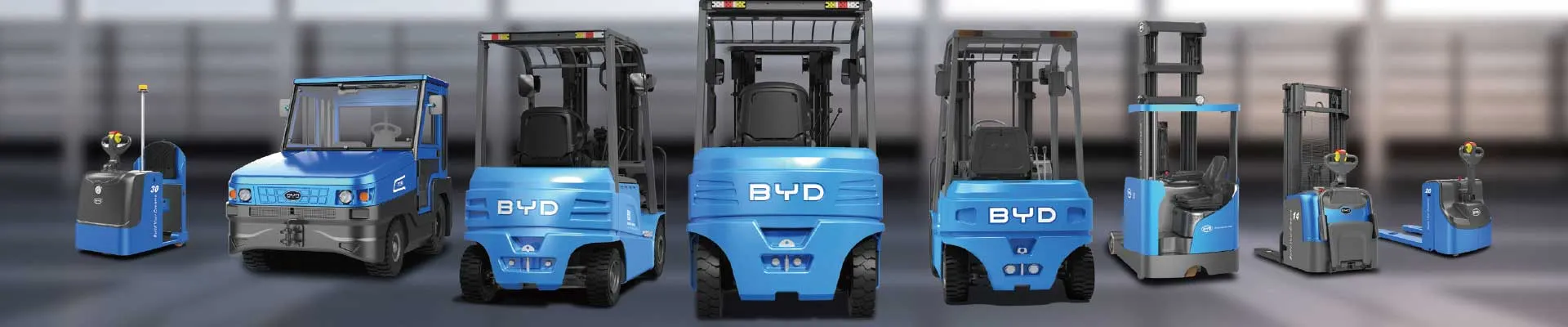
As one of the core port cities in Benin, Cotonou gathers a large number of logistics terminals, manufacturing factories and wholesale distribution centers, where material handling efficiency directly affects the overall operating revenue of local enterprises. In recent years, more and more local operators have converted their internal material handling equipment from traditional fuel forklifts to lithium electric forklifts, while the actual power supply cost and proper charging operation rules are the two core points that most users pay close attention to.
First, let’s sort out the actual power supply cost status in Cotonou’s industrial zones. According to public local industrial power supply data, the average industrial electricity price in Cotonou remains at a relatively stable level in recent years, with slight peak-valley price difference implemented in most industrial parks. For most small and medium-sized enterprises that run 2 to 3 sets of 2-ton lithium forklifts for 8-hour daily operation, the monthly power consumption for forklift charging only accounts for less than 3% of their total industrial power expenditure, which is far lower than the daily fuel consumption cost of the same load capacity fuel forklift. Many users have ignored the peak-valley price difference rule before, and choose to charge their lithium forklifts at daytime peak hours, which virtually increases extra power cost. Adjusting the charging schedule to low electricity price periods at night can effectively cut 20% to 30% of the total forklift power supply cost without affecting normal daytime operation.
Second, reasonable lithium forklift charging operation rules can further reduce comprehensive use cost. Unlike traditional lead-acid forklift batteries, lithium forklift batteries support opportunity charging, which means users can plug the charger in during short rest breaks of shifts, no need to wait for the whole battery to drain before charging. Users in Cotonou are suggested to set up dedicated fixed charging zones in their warehouse or port operation sites, arrange special personnel to manage charging equipment, avoid dragging charging cables randomly in the operation passage, which can not only reduce potential safety risks, but also extend the service life of the battery and charger to lower long-term replacement cost. For large scale users with more than 10 sets of lithium forklifts, it is recommended to conduct unified charging scheduling, arrange part of the units to charge at different time periods, to avoid instantaneous high power access that triggers additional high power supply surcharge from local power supply department.
Jianxin New Energy, as a professional service provider focusing on BYD electric forklift, has accumulated rich practical experience in local market service in West Africa, we can provide customized power consumption accounting and lithium forklift charging planning scheme for different operation scenarios in Cotonou. If you have any related demand, you can contact us via [email protected] for further professional consultation.