
 简体中文
 Русский
 Français
 Português
 Español
 لالعربية

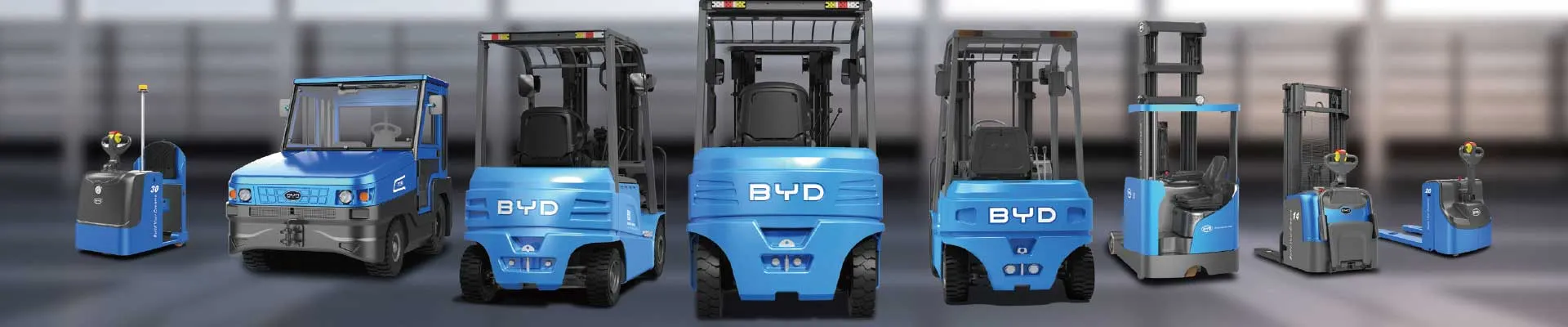
Beverage production plants have unique material handling characteristics, including frequent transfers of raw ingredient drums, full pallets of bottled or canned finished products, and high requirements for operation hygiene to avoid cross-contamination of food-grade materials. When you plan to introduce 4-wheel electric forklifts to support your daily workflow, you need to make systematic arrangement around actual operation scenarios to maximize the value of the equipment.
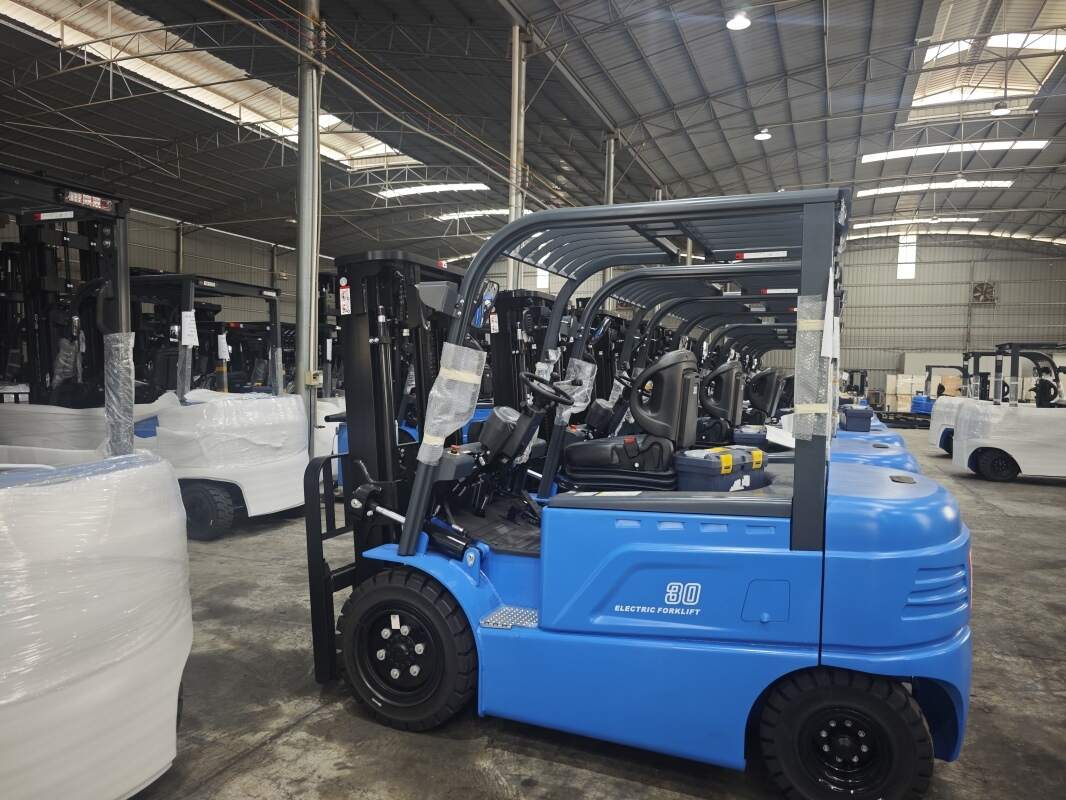
The first step of the planning is to carry out a full survey on your existing operation scenes. You can record key parameters including maximum load weight of the common pallets, the minimum width of internal access channels, slope gradient of the loading and unloading area, temperature and humidity conditions of cold storage zones, as well as the daily average handling frequency and peak season throughput. These data can help you avoid mismatches between equipment parameters and actual demands, such as insufficient load capacity, poor trafficability on narrow channels, or insufficient battery life to support full-shift continuous operation.
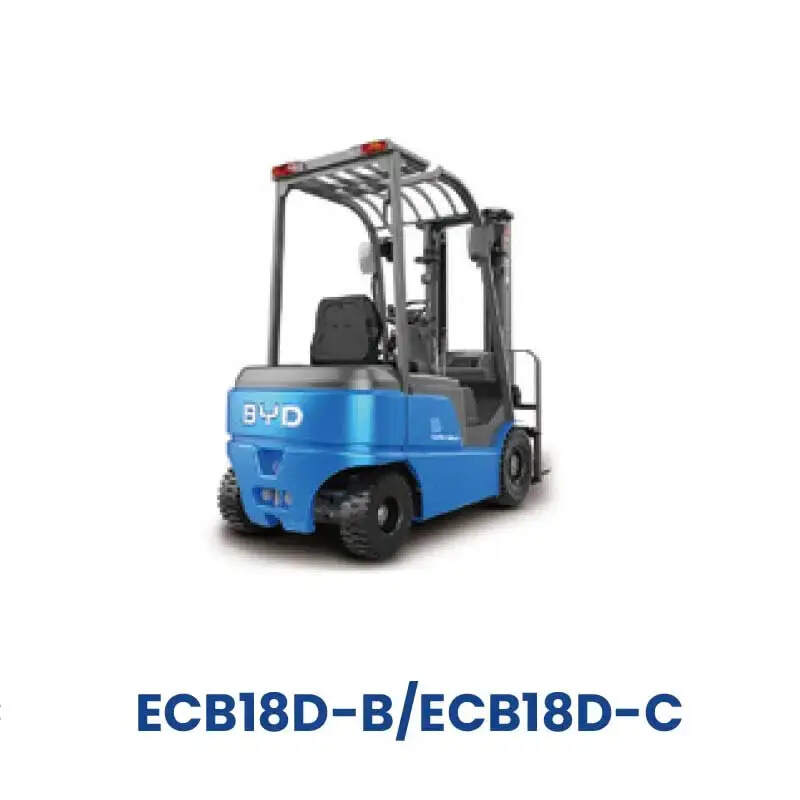
The second step is to complete supporting facility layout planning. Different from internal combustion forklifts, 4-wheel electric forklifts need proper charging stations arranged in non-obstructive areas close to the operation zone, which will not block fire exits or raw material transport routes. You can also make a scientific scheduling plan for equipment usage and charging, to arrange short-time supplementary charging during non-peak hours such as meal breaks, so as to ensure sufficient power supply during the peak period of finished product shipment, and avoid idle operation that causes energy waste.
The third part of the planning covers operation standard formulation and personnel training. The stable chassis design of 4-wheel electric forklifts can better adapt to the frequent loading and unloading operation on uneven ground, while regular training for operators on safety operation norms, daily pre-operation inspection of battery status and tire condition can effectively extend the service life of the equipment. Compared with fuel-powered equipment, 4-wheel electric forklifts produce no exhaust emission and no oil leakage risk, which fully meets the strict hygiene requirements of food and beverage production environment.
If you need professional customized planning solutions for 4-wheel electric forklift deployment in your beverage plant, Jianshu New Energy, which focuses on BYD electric forklift, can provide you with targeted guidance. You can send your detailed demands to [email protected] for further consultation.


