
 简体中文
简体中文 Русский
 Français
 Português
 Español
 لالعربية
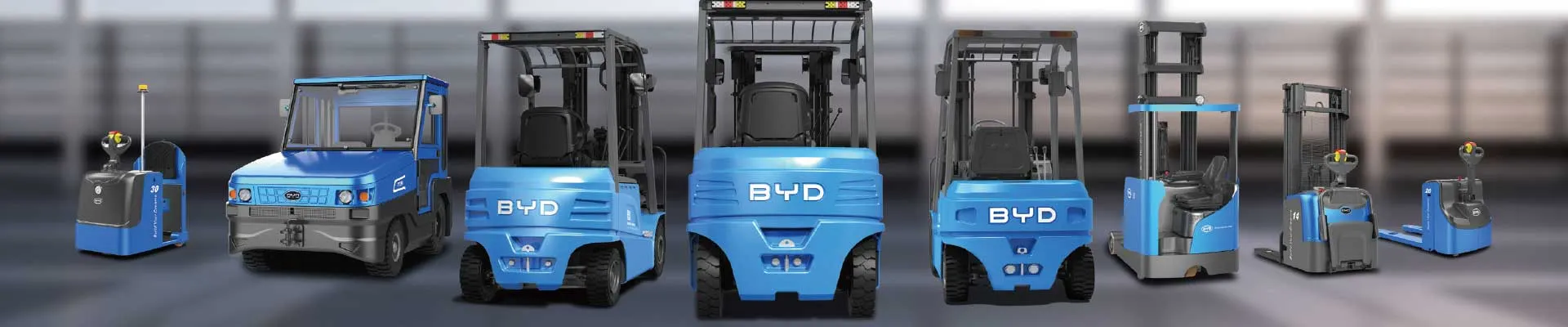
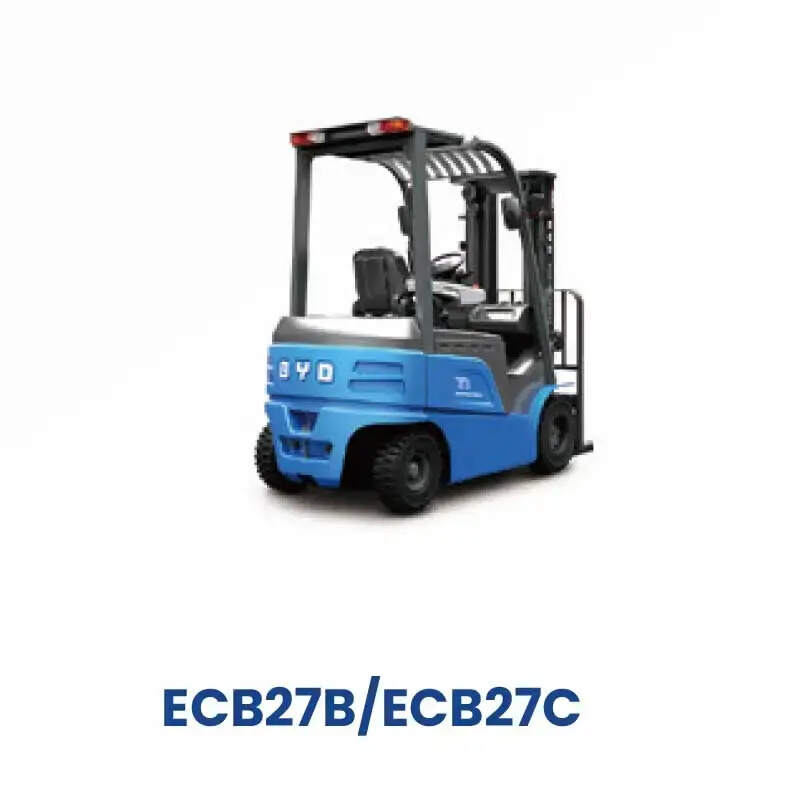
As a professional in the electric forklift industry with years of practical research, this guide shares targeted practical knowledge that fits common usage demands across different logistics and warehousing scenarios, avoiding unproven misleading claims to help operators obtain more stable equipment performance.
Core Advantages of Electric Forklifts in Daily Scenarios
Unlike fuel-powered industrial handling equipment, electric forklifts produce no on-site exhaust emissions during operation, which fits the environmental requirements of closed indoor warehouses, food processing storage areas and pharmaceutical distribution sites. The running noise level of qualified products is far lower than that of internal combustion counterparts, which can reduce the interference to surrounding staff and avoid noise-related occupational discomfort in long-term closed working environments. The energy consumption cost per unit running time is also relatively predictable, which is convenient for warehouse operation teams to make long-term budget plans for daily material handling work.
Standard Daily Maintenance Guidelines for Electric Forklifts
Regular daily inspection work can effectively reduce unexpected equipment failure rates. Operators need to check the connection status of the charging port before each use, wipe off the accumulated dust and residual stains on the surface of the port in time to avoid poor contact that affects charging efficiency. It is also necessary to regularly check the wear degree of the driving wheel and load wheel, adjust the brake sensitivity appropriately according to the actual usage frequency, and check the remaining power level before starting each shift to avoid sudden power loss in the middle of the handling process. For battery packs that use water replenishment design, follow the official operation specifications to add appropriate amount of dedicated liquid after full charging, do not add excessive liquid beyond the preset safety level.
Scenario Adaptation Tips for Better Usage Effect
Operators should select matching operation modes according to actual load weight and working slope conditions, do not keep the equipment in full load operation state for a long time beyond the rated continuous working duration. For usage scenarios with high air humidity or frequent splashing of non-corrosive liquid, users can add corresponding protective measures for the outer shell of the control circuit to reduce the risk of short circuit. Arranging reasonable charging intervals according to the daily handling workload can help the battery pack maintain a relatively stable working state for a long time, and extend the overall service life of the whole set of equipment in normal use conditions.


