
 简体中文
简体中文 Русский
 Français
 Português
 Español
 لالعربية
.jpg "Pallet Truck Load Capacity: Matching the Truck to the Pallet(figure1)")
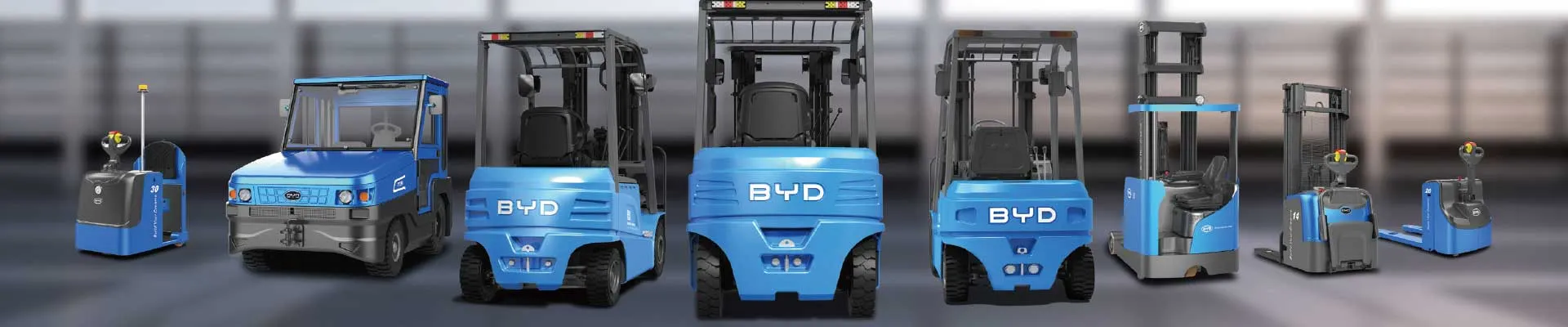
Against the background of low-carbon transformation in the logistics and manufacturing industries, electric forklifts have become one of the most widely used material handling equipment in closed operation scenarios such as warehouses, factory workshops and distribution centers. Mastering scientific use methods can help operators give full play to the performance of the equipment, reduce unnecessary operation risks and control overall operating costs.
Core Pre-operation Safety Checks
Before starting each shift of operation, operators need to complete a full range of basic inspections first. They should confirm the remaining battery level to avoid sudden power failure in the middle of high-load handling tasks, check the sensitivity and stability of the braking system, and observe the wear degree of the load wheels and driving wheels to rule out hidden dangers of slipping during driving. They also need to test the lifting and tilting function of the gantry, and clean up scattered obstacles in the designated operation path in advance to prevent collision risks.
Standard Operation Norms to Optimize Service Performance
In the actual operation process, operators should avoid sharp acceleration, sharp braking and sharp steering behaviors as much as possible, which will cause extra loss to the motor and tire components. When lifting heavy loads, do not tilt the gantry forward excessively to prevent the goods from falling accidentally. It is not allowed to use the forklift to carry personnel for high-altitude operations without matching auxiliary equipment. Operators should also strictly refer to the rated load parameters of the equipment to arrange handling tasks, and do not carry over-limit goods for a long time. When the equipment is not used for more than 3 days, it is recommended to park it in a dry and ventilated area, and arrange regular supplementary charging to maintain the activity of the battery pack.
Scenario-matched Maintenance Suggestions for Different Use Cases
For electric forklifts that work in cold storage scenarios with low temperature and high humidity for a long time, operators need to regularly check the tightness and waterproof performance of the circuit interface to avoid poor contact caused by condensed water. For the equipment used in bulk material warehouses with high dust concentration, the dust accumulation on the heat dissipation vent should be cleaned at fixed intervals to ensure the normal heat dissipation of the power system. Operators can make simple operation logs to record the daily running status of the equipment, and arrange professional personnel to troubleshoot in time when minor abnormal sounds or reaction delays appear, to avoid small problems evolving into large-scale component damage.
Following these practical operation and maintenance rules can help the electric forklift maintain a stable working state for a long time, and better adapt to the diversified material handling needs of different industrial scenarios.


