
 简体中文
简体中文 Русский
 Français
 Português
 Español
 لالعربية
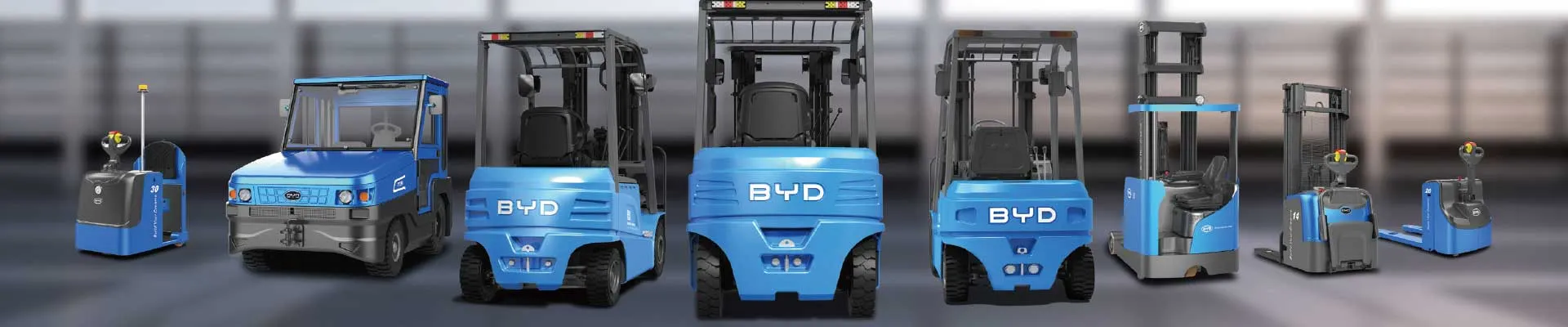
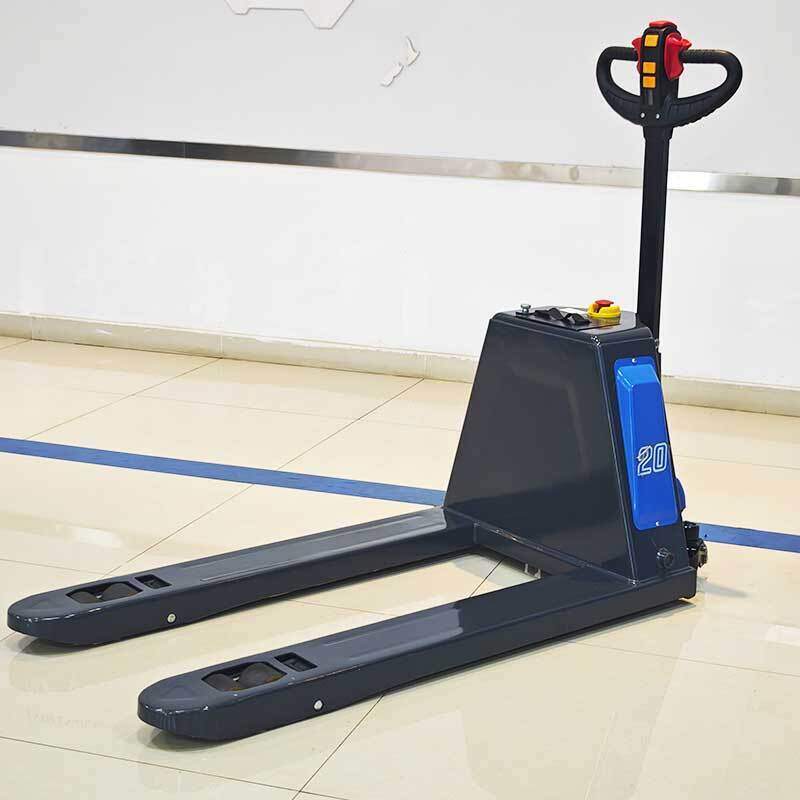
As the core equipment of modern warehouse material handling, electric forklift has been widely applied for its low noise, zero local emission and easy operation features in recent years. Mastering standardized use and proper maintenance methods can help relevant practitioners give full play to the advantages of such equipment in daily work.
Core Operation Specifications for Daily Use
Before starting each shift, operators need to check the remaining power, tire condition, brake sensitivity and lifting mechanism of the equipment, and confirm no abnormal obstacles around the working route before formal operation. During the operation process, the load weight should be controlled within the rated range, avoid sharp turning or sudden braking on the wet and slippery road surface, and keep the load goods in stable state during the lifting and moving process. Operators need to keep full concentration during work, and avoid irregular operations that may cause potential safety risks.
Routine Maintenance Points to Extend Service Life
After finishing daily work, operators should park the equipment in the designated ventilation and dry area, turn off the power supply completely, and clean the dust and sundries accumulated on the body and operation interface in time. The power module should be charged according to the specified operation requirements, and avoid long-term under-power or overcharge state that may affect the overall service life of the core components. Regularly check the wear degree of key transmission parts, add proper amount of lubricant as required, and arrange professional personnel to check the internal circuit system at fixed cycle to eliminate hidden troubles in time.
Scene Adaptation Skills for Higher Handling Efficiency
For different warehouse scenes with different channel widths and goods stacking heights, operators can adjust the operation speed and load distribution scheme reasonably to match the actual site conditions. When working in closed indoor storage space, electric forklift can keep stable operation state without generating extra exhaust, which can create a cleaner working environment for on-site staff. Matching the use demand of different operation scenarios can further improve the overall turnover efficiency of warehouse material flow.


