
 简体中文
 Русский
 Français
 Português
 Español
 لالعربية

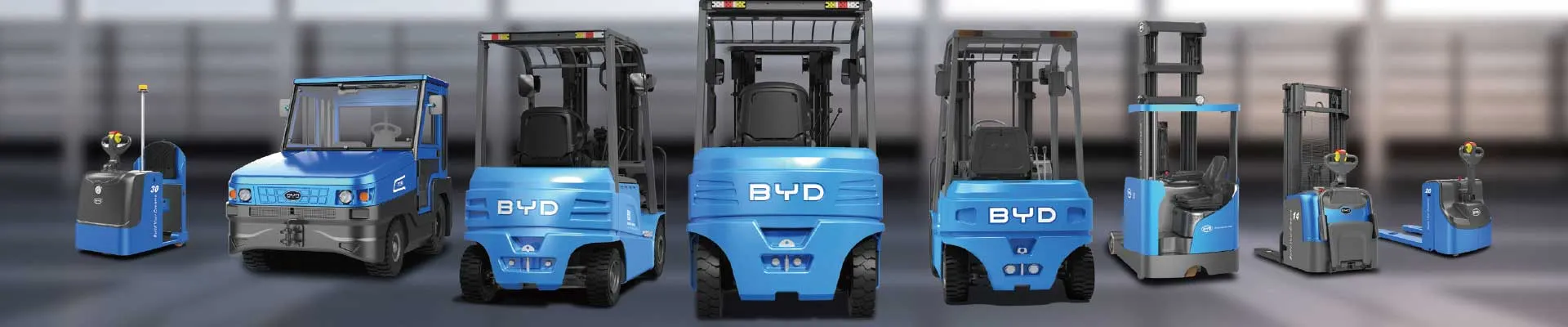
Conakry, the core port and commercial hub of Guinea, supports massive daily cargo turnover covering imported goods distribution, local agricultural product export and cross-border logistics transit. For most local warehouse operators, port freight teams and small trading enterprises, electric pallet trucks are the core handling equipment that supports daily operation efficiency, and the choice between lithium-ion and lead-acid battery configurations has become the top concern when calculating long-term operation budgets.
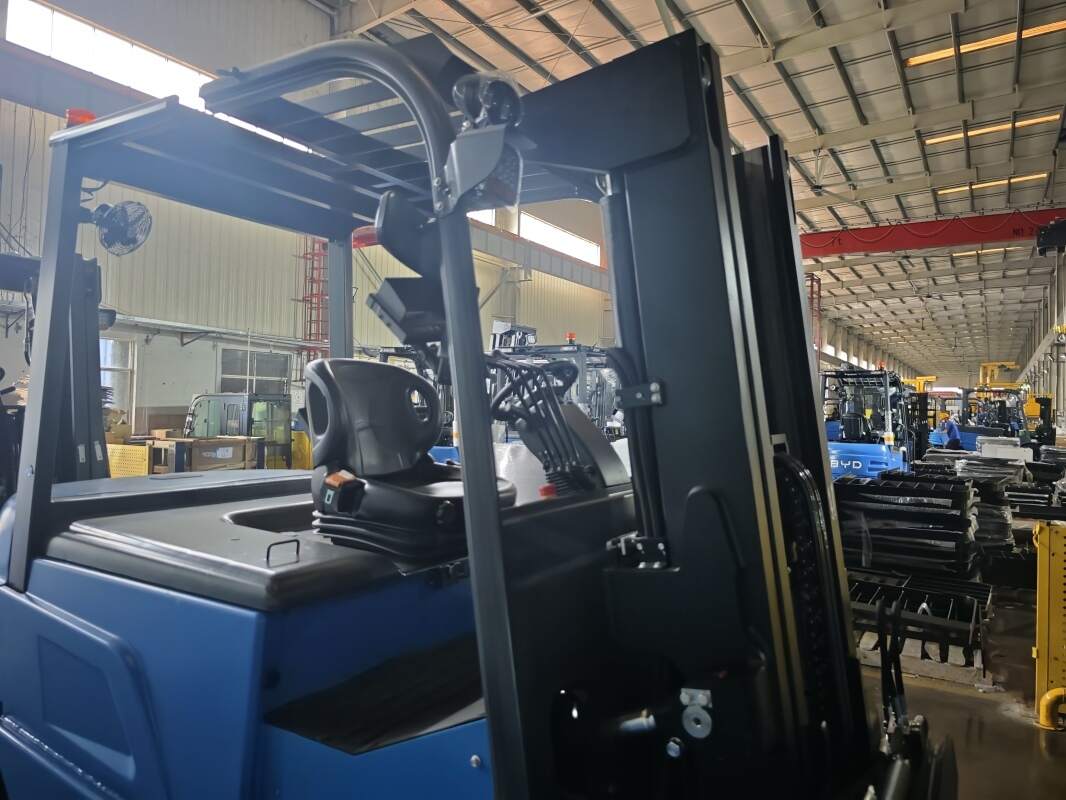
First, from the perspective of initial procurement cost, lead-acid pallet trucks usually have a lower upfront purchasing price than lithium-ion counterparts. But most users often ignore the matching cost that needs to be invested synchronously. Lead-acid batteries need special waterproof, heat-dissipation charging zones that meet safety specifications, and regular maintenance tools and special distilled water consumables should be prepared in advance, which will add extra unplanned expenditure at the beginning of operation.
Then for the full life cycle operation cost, the tropical humid and hot climate in Conakry will accelerate the performance attenuation of lead-acid batteries. Normally the cycle life of qualified lead-acid products under such working conditions ranges from 500 to 800 times, which means most users need to replace the full battery pack every 1 to 2 years. Daily maintenance work including regular water replenishment, terminal cleaning and equalization charging will take 1 to 2 hours of professional worker’s time every week, bringing stable continuous labor cost. For enterprises that run 24-hour three-shift operation during peak cargo season, lead-acid batteries need 8 to 10 hours of full charging, which requires 2 to 3 sets of spare backup batteries to maintain continuous operation, further raising the total input. Lithium-ion pallet trucks, by contrast, support 1 to 2 hours of fast charging to supplement enough power for 4 to 6 hours of continuous operation, and do not need regular water replenishment or extra daily maintenance work, their service cycle can reach more than 3000 times under local conventional working conditions, matching the whole service life of the pallet truck body.
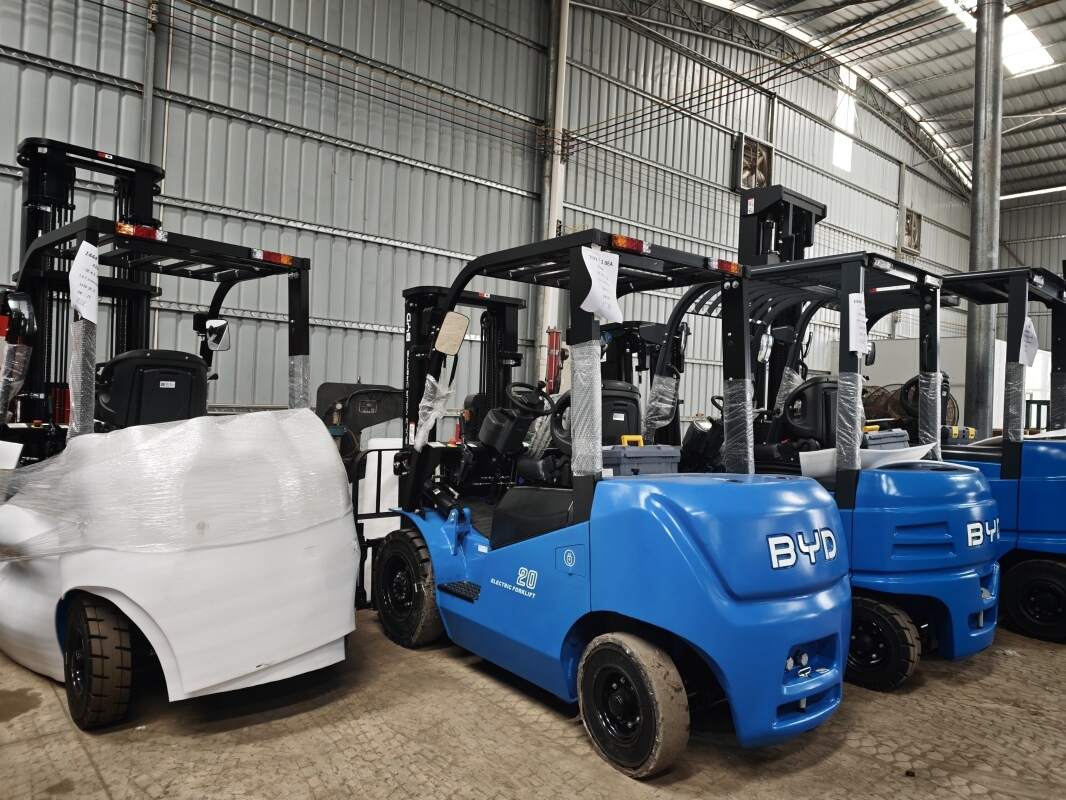
For the end-of-phase processing cost, scrapped lead-acid batteries are classified as hazardous waste, the compliant disposal and recycling cost in local area is relatively high, while scrapped lithium-ion batteries have higher residual value through formal recycling channels, which can offset part of the renewal cost.
Jianshu New Energy, as a professional supplier focusing on BYD electric forklifts, provides targeted lithium-ion pallet truck cost consulting and supporting service for local operation scenarios in Conakry. If you have relevant demand for electric handling equipment, please send email to [email protected] for more detailed information.


