
 简体中文
简体中文 Русский
 Français
 Português
 Español
 لالعربية
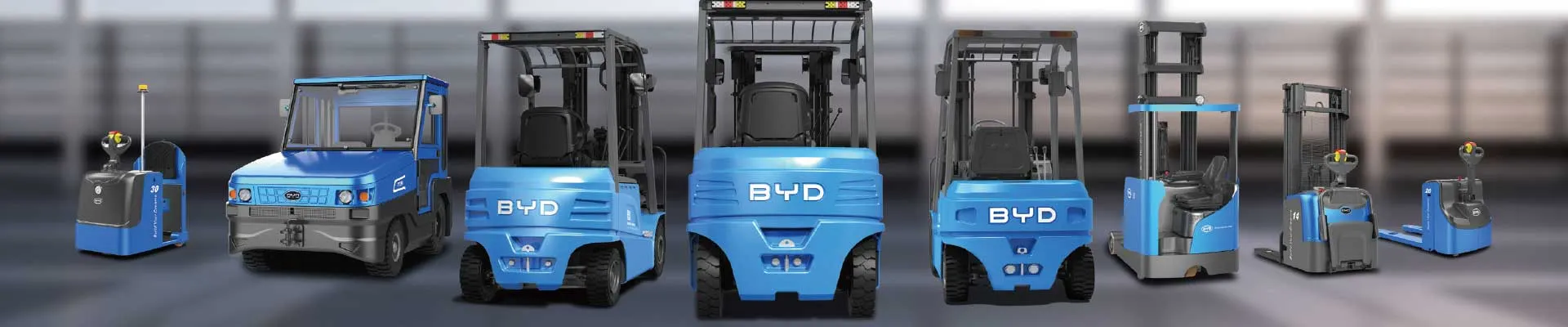
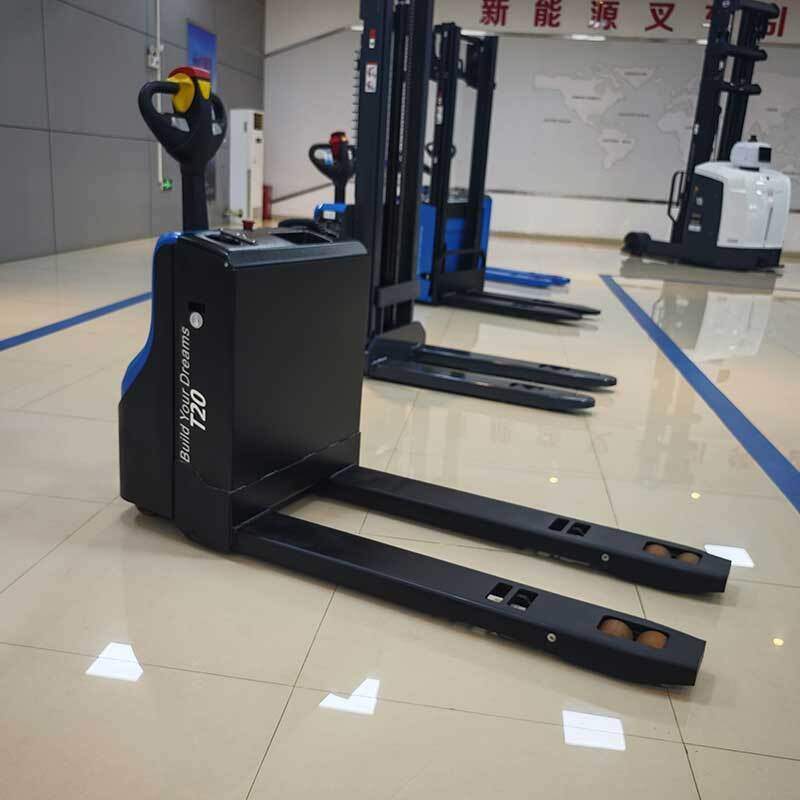
Against the backdrop of growing low-carbon logistics demand across all industrial sectors, electric forklifts have gradually become the mainstream material handling equipment for most indoor and semi-indoor operation scenarios. As a senior practitioner who has focused on the electric forklift field for years, we sort out targeted practical knowledge covering daily use, maintenance and scenario matching to help relevant personnel grasp core operation points correctly.
Core Functional Advantages of Electric Forklifts
Unlike traditional internal combustion forklifts, electric forklifts rely on on-board power modules to provide driving and lifting power, which produces no tail gas emission during the whole operation process, making it more suitable for closed warehouse, food storage and other scenarios that have strict requirements on air quality. The overall noise level of normal running electric forklifts is far lower than that of fuel-powered counterparts, which can effectively reduce the noise interference to surrounding workers and avoid the hidden health risks caused by long-term exposure to high-noise working environment. Most electric forklift models are designed with more compact body structure, which is easier to flexibly pass through narrow cargo aisles, and can make full use of limited warehouse storage space to arrange more goods.
Scientific Daily Maintenance Specifications
Regular daily inspection is the core link to keep electric forklifts in good working condition. Before each shift of operation, operators need to check the residual power of the power module, the wear degree of driving tires, the flexibility of lifting hydraulic system and the sensitivity of brake components. After the daily operation is finished, the equipment should be parked at the designated charging position, and the power module should be charged according to the specified operation process to avoid over-discharge or over-charge behavior that may affect the overall service life of the power system. Operators should also regularly clean the dust and debris accumulated on the surface of the motor and circuit connection parts, to avoid poor contact or local overheating problems caused by long-term dust accumulation.
Operation Scenario Adaptation Principles
When using electric forklifts, operation teams should select matching models according to the actual load weight, average operation distance and site ground condition. For long-time high-strength operation scenarios, personnel can arrange reasonable peak-shift charging plans to avoid sudden power loss of equipment during peak operation periods. For wet or high-dust special scenarios, additional targeted protective measures can be added to key electrical components to reduce the failure probability. Following these reasonable operation principles can help enterprises give full play to the performance of electric forklifts, and achieve stable and reliable material handling results under controllable cost range.


