简体中文
 Русский
 Français
 Português
 Español
 لالعربية

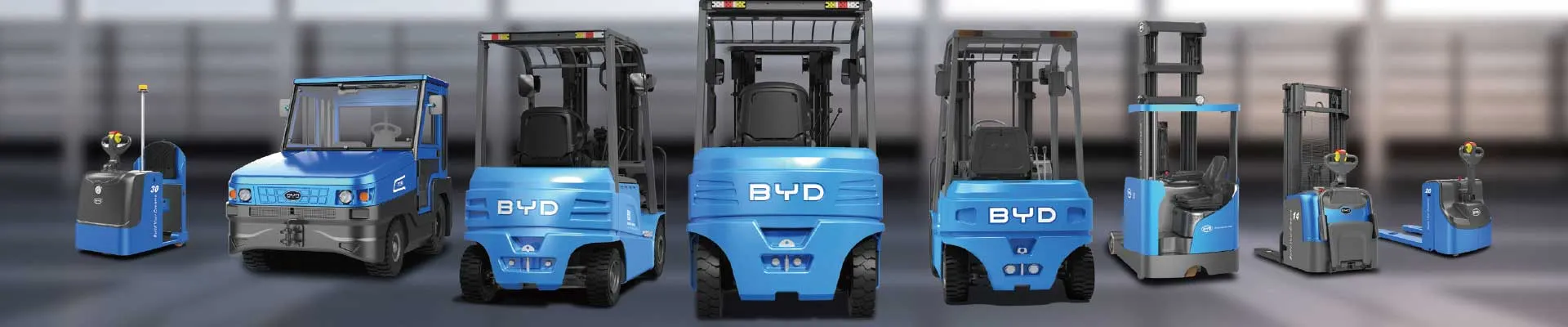
Against the background of accelerating low-carbon transformation across logistics, manufacturing and warehousing sectors, 4-wheel electric forklifts have become one of the most popular material handling equipment options for most operation scenarios, thanks to their stable running performance, low noise output and zero local emission features. Unlike 3-wheel electric forklifts, 4-wheel models usually offer larger load capacity and better lateral stability, which can meet the demands of heavier cargo handling and higher lifting height requirements. To make the equipment fit your actual operation needs to the largest extent, you need to take multiple key factors into full consideration before making the final decision.
First of all, you need to make clear the actual operation scenario matching parameters. You can sort out the maximum weight of cargo to be handled on a daily basis, the minimum width of operation aisles in your site, the maximum required lifting height for cargo stacking, as well as the road conditions including ground flatness, maximum slope in ramp areas, and whether there are outdoor operation needs in light rain or dust scenarios. Matching parameters according to actual scenarios can avoid extra cost brought by redundant configurations, and also prevent insufficient equipment performance that may lower overall operation efficiency.
The second core consideration is the power and energy storage performance. You can evaluate the average continuous operation hours per shift, the available charging location and charging window in your site, then select the matching battery configuration. Properly matched battery configuration can ensure the forklift finish all handling tasks in a single shift without unexpected power shortage, while also controlling the long-term energy consumption cost in a reasonable range. You can also confirm the daily maintenance requirements of the power system, to arrange subsequent routine inspection work properly.
The third important factor is the safety and human-centric design performance. A qualified 4-wheel electric forklift should offer clear full view for the operator, sensitive and stable braking response, as well as adjustable operating lever and seat that reduce the fatigue of drivers during long-hour shifts. Optimized ergonomic design can effectively lower the probability of misoperation, and create a safer working environment for all on-site staff.
Last but not least, you need to evaluate the total life cycle operation cost of the equipment, not only focus on the one-time purchase expenditure. The accessibility of wearing parts, the timeliness of after-sales response, and the daily energy consumption level all together determine the long-term use cost of the forklift. We are Jianshu New Energy, focusing on BYD electric forklift related services. If you have any demand for 4-wheel electric forklift selection and consultation, you can send emails to [email protected] for professional tailored solutions.