
 简体中文
简体中文 Русский
 Français
 Português
 Español
 لالعربية
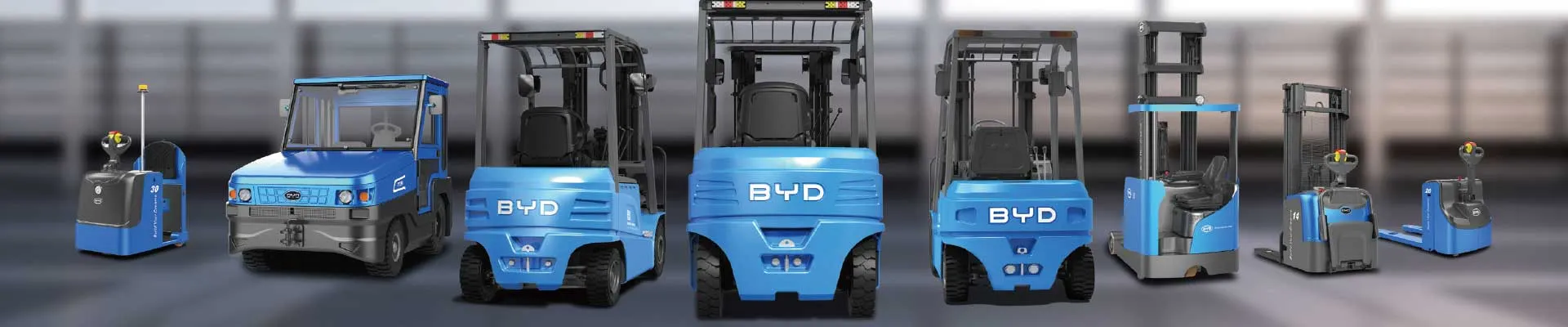
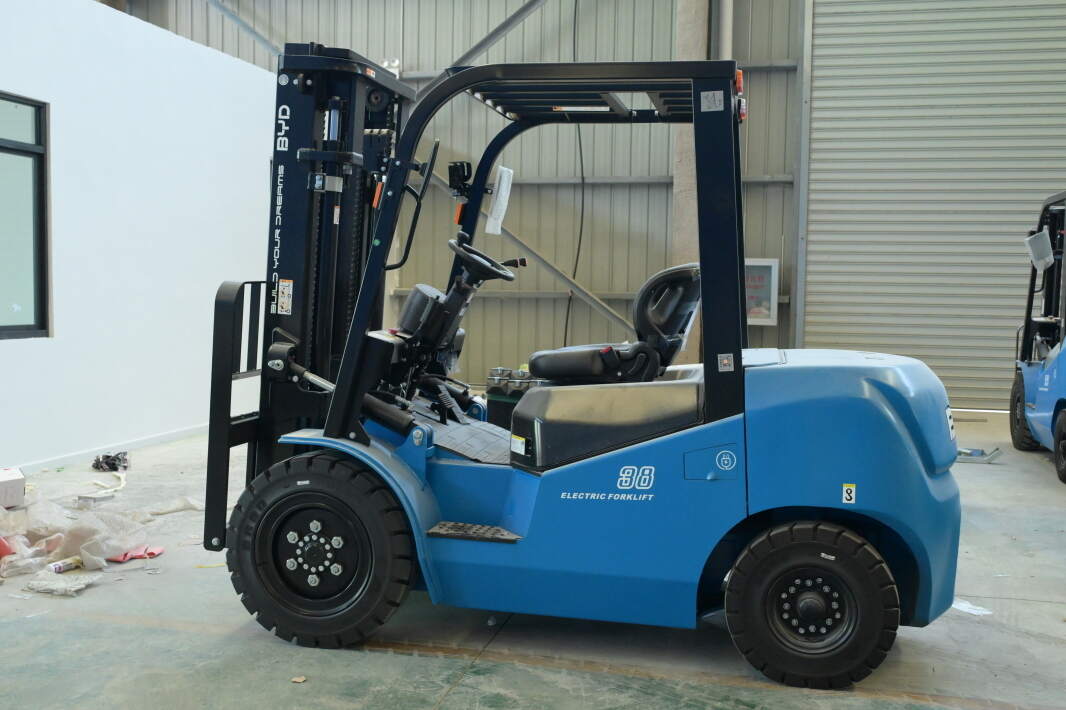
Against the background of low-carbon development of modern industrial logistics, electric forklifts have become one of the most widely used handling equipment in warehouse, manufacturing and distribution scenarios. For front-line operators and warehouse managers, mastering professional knowledge related to electric forklifts can effectively reduce unnecessary operating costs, and improve the overall safety and smoothness of material handling processes.
Core Performance Characteristics of Electric Forklifts
Unlike traditional internal combustion handling equipment, electric forklifts are driven by power battery packs, which produce no tail gas emission during daily operation. The overall noise level during operation is also maintained at a relatively low range, which is more suitable for closed warehouse scenarios that have high requirements for indoor environmental quality. The power output mode of electric forklifts is smoother, and the operation sensitivity of the hydraulic lifting and walking system can be adjusted according to actual use demands, which can reduce the risk of collision with stored goods to a certain extent. Most of the daily operation functions can be mastered through standard professional training, which lowers the learning threshold for new operators to get familiar with the equipment.
Practical Routine Maintenance Guidelines
Scientific daily maintenance is the key to keeping electric forklifts in good working condition for a long time. Operators need to check the surface condition of the power module and the tightness of the connecting lines before each shift of operation, and confirm that the remaining power level meets the demands of the current day’s working schedule. It is also necessary to regularly clean the dust and sundries accumulated on the surface of the motor and heat dissipation system, avoid long-term full load operation beyond the rated load range, and conduct regular professional inspection on the wear degree of the tire and hydraulic sealing parts, to reduce the probability of sudden failure during peak working hours.
Scenario Adaptation and Efficiency Optimization Suggestions
In actual deployment, users can select the corresponding electric forklift model with proper load capacity and lifting height according to the average weight of handled goods and the height of warehouse storage racks. Operators can plan the handling route in advance before large-scale inventory transfer, avoid frequent sharp turns and rapid acceleration in narrow channel scenarios, and formulate corresponding use management rules according to the actual site environment, to give full play to the use value of electric forklifts in daily material handling work.


