
 简体中文
简体中文 Русский
 Français
 Português
 Español
 لالعربية
.jpg "Forklift Battery Chemistry 101: Lead-Acid vs Lithium-Ion(figure1)")
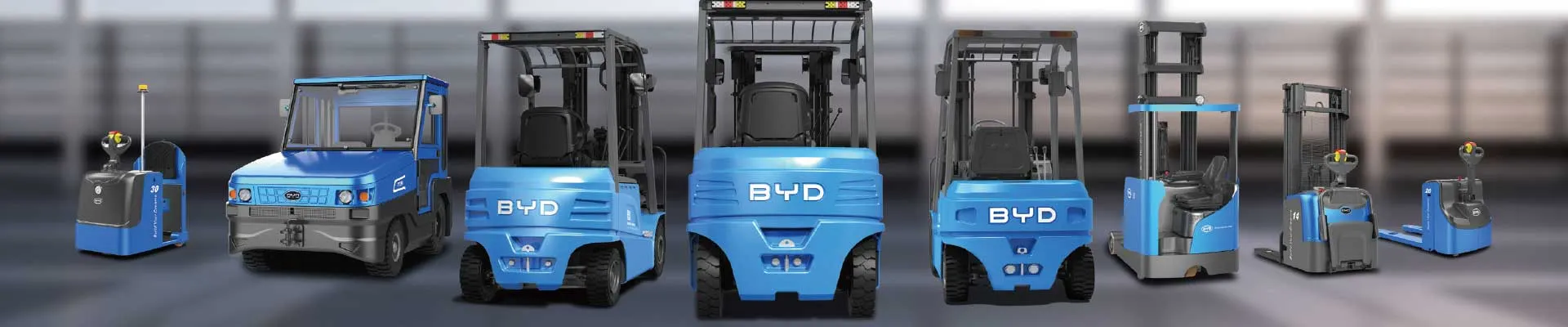
As low-carbon logistics and standardized warehouse operation concepts gain wider popularity in the material handling industry, electric forklifts have gradually become a widely adopted equipment choice for most storage sites of different scales. Compared with traditional internal combustion counterparts, they produce no on-site exhaust emissions and generate much lower operation noise for frontline staff, which is more suitable for enclosed indoor working environments.
Core Functional Advantages of Modern Electric Forklifts
Most mature electric forklift models are equipped with high-performance energy storage modules, with adjustable output torque that adapts to common load weights from 1 ton to 5 tons under most daily working conditions. The whole transmission structure has fewer vulnerable moving parts, which reduces the frequent lubrication and fuel supply links required for internal combustion equipment, helping operation teams cut unnecessary daily operation expenditures in long-term use. The low-noise operation feature also creates more comfortable working conditions for staff who stay in enclosed warehouse spaces for long consecutive hours.
Standardized Safe Operation Specifications
Before each shift of operation, operators need to complete full pre-shift inspection work, including checking remaining power level, flexibility of lifting and tilting mechanisms, sensitivity of braking systems, and normal function of warning lights and sound prompts. Operators need to finish professional systematic training before taking up posts, keep the load center within the allowable range marked on the equipment nameplate, avoid sharp turning or sudden braking actions when carrying heavy cargo, and never allow extra personnel to take rides on the cargo platform or other non-designated positions of the forklift.
Scientific Routine Maintenance Practices
To extend the whole service life of electric forklifts, the operation team can formulate a fixed weekly and monthly inspection checklist. For the energy storage modules, staff should avoid long-term over-discharge or over-charge situations, clean the dust and accumulated sundries on the module surface regularly, and place the equipment in dry, ventilated and temperature-stable storage areas when it is not in use for a long time. Regular cleaning of the walking motor and proper lubrication of hinge points of the lifting mechanism can effectively reduce daily operation failure rate, and avoid unplanned downtime that may disrupt normal warehouse operation schedule. Following the above application rules can help enterprises give full play to the equipment value, improve overall material handling efficiency, and build a more stable working environment for all on-site staff.


