
 简体中文
简体中文 Русский
 Français
 Português
 Español
 لالعربية
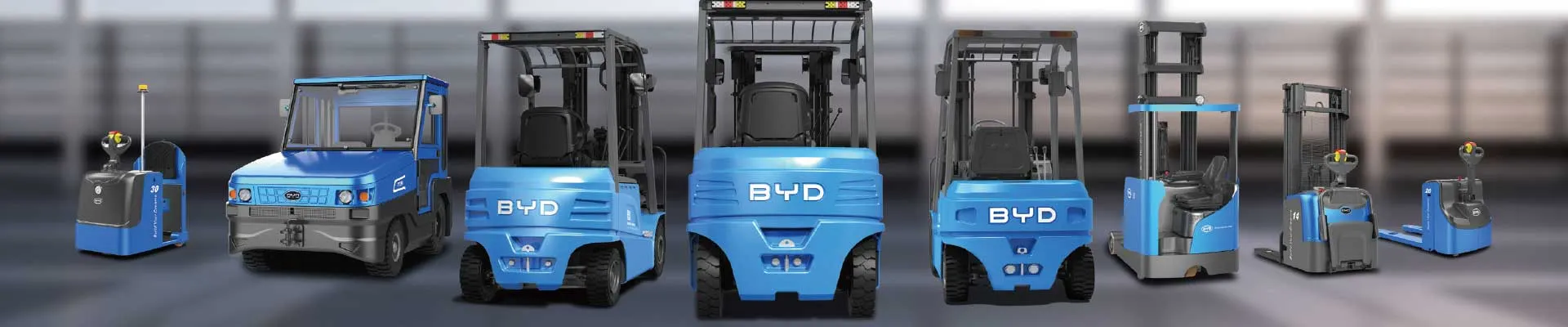
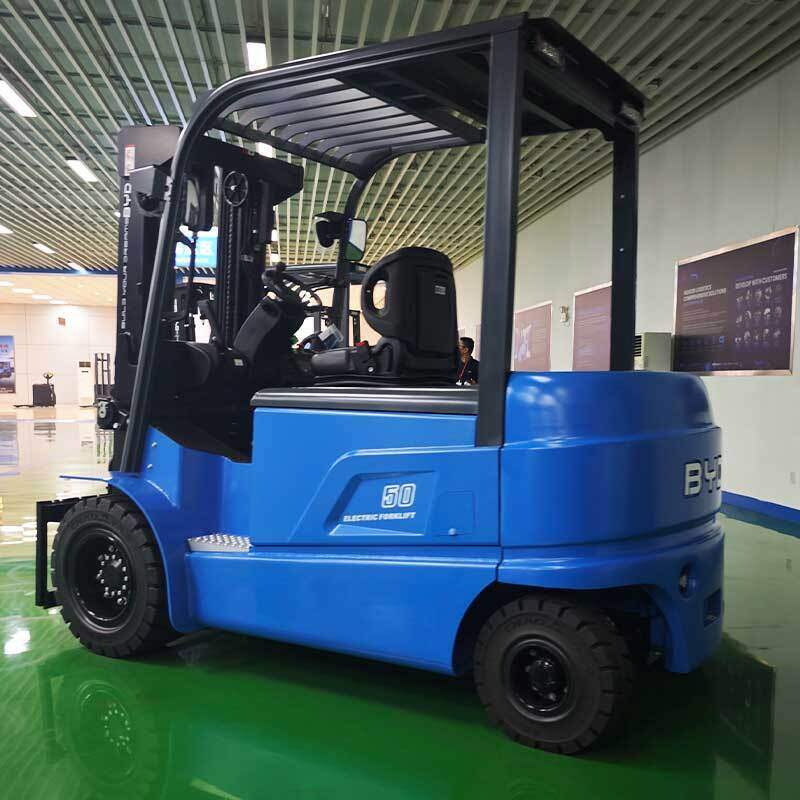
As the modern logistics and warehouse industry focuses on low-carbon operation and controllable comprehensive cost, electric forklifts have become one of the most popular material handling equipment for indoor and semi-enclosed working scenarios. Unlike internal combustion forklifts powered by fossil fuel, electric forklifts run on rechargeable power units, which produce no tail emissions during operation and generate relatively low working noise that will not disturb on-site staff or affect the normal environment of adjacent office or storage areas.
Basic Operation Specifications for Daily Use
Before formal operation, relevant personnel need to complete full pre-use checks, including inspecting remaining power level, brake sensitivity, lifting mechanism flexibility and the intact condition of load forks. Operators should avoid sudden acceleration or sharp steering during the moving process, and keep the actual load strictly within the rated load range marked on the equipment body. For narrow indoor passage scenarios, extra attention should be paid to the overhead clearance, to prevent the lifting frame or loaded goods from hitting the shelf structure above the walking path. When the equipment stops working for a long time, operators should turn off the main power switch completely and pull down the hand brake to avoid accidental sliding.
Key Points of Routine Daily Maintenance
Standardized daily maintenance can effectively extend the service life of electric forklifts and reduce the unexpected failure rate in daily work. The power unit is the core component that needs regular inspection, management staff should wipe the surface of the power unit regularly to keep the connection points dry and clean, and finish the charging work in the designated ventilated and dry area that meets relevant safety standards. Operators should not leave the equipment in a full power depletion state for a long time, which may cause irreversible damage to the power storage performance. Besides, the walking wheels and transmission parts need regular decontamination and lubrication, to reduce the wear rate of moving parts in long-term continuous operation.
Scenario-Based Application Optimization Suggestions
Electric forklifts can show better adaptability in specific working scenarios, such as food storage warehouses, pharmaceutical logistics centers and other sites that have strict requirements on air cleanliness. For working locations that need continuous operation for multiple shifts, enterprises can configure spare power units to realize quick replacement, which can effectively reduce the waiting time for charging and improve the overall working efficiency. Users can also replace the matching functional attachment of the equipment according to actual handling needs, to adapt to different load specifications and working environment conditions.


