
 简体中文
简体中文 Русский
 Français
 Português
 Español
 لالعربية
_zip.jpg "Electric Pallet Truck Gradeability: Reading the Spec Correctly(figure1)")
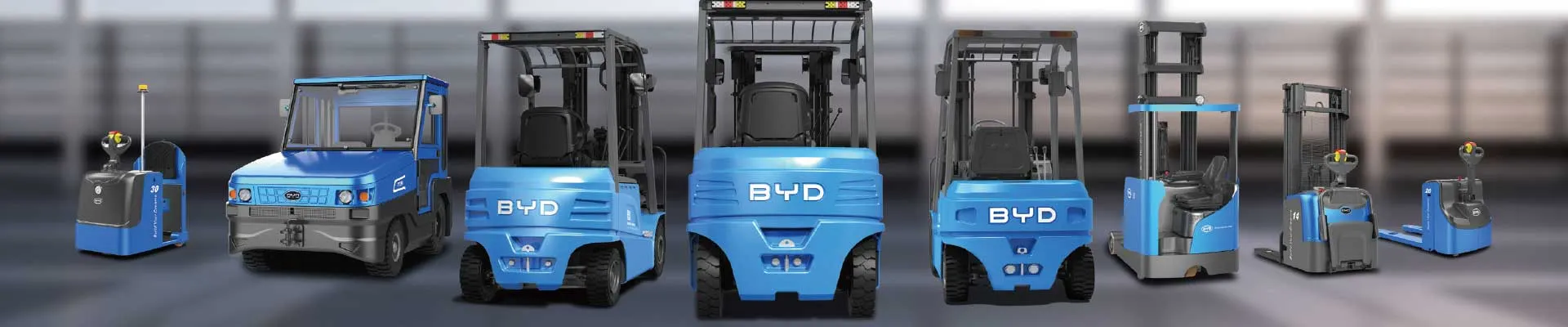
As low-carbon, low-noise material handling equipment, electric forklifts have been widely applied in indoor warehouses, manufacturing workshops and distribution centers in recent years. Mastering standardized operation and scientific maintenance methods can help operators give full play to the performance of the equipment, reduce unnecessary operation risks and control the usage cost in the whole lifecycle.
Core Pre-operation Check Protocols
Before starting the equipment for each shift, operators need to conduct a full appearance and performance check first. They can test the response sensitivity of the braking system, verify the accuracy of the remaining power display of the battery pack, check the tire surface for excessive wear or embedded hard foreign objects, and confirm whether there is oil leakage trace on the surface of the lifting hydraulic rod. It is also necessary to patrol the surrounding operation area to remove scattered obstacles and confirm that no unrelated personnel stay in the planned driving route, so as to avoid hidden safety risks caused by missed checks.
Scenario-adaptive Operation Specifications
When working in narrow aisles, operators should control the driving speed within the specified safe range, and whistle in advance to remind nearby personnel before turning. When lifting heavy loads, the height of the cargo should not exceed the level that will block the operator's front sight. When driving on a gentle slope whose gradient does not exceed the rated parameter of the equipment, keep the cargo side facing the lower part of the slope to avoid the risk of slipping. During indoor operation, pay real-time attention to the integrity of the anti-slip layer on the ground, and do not drive for a long time in the area where the water accumulation depth exceeds the specified threshold.
Targeted Daily Maintenance Tips
After the daily operation is completed, park the electric forklift in the designated flat area, lower all the lifting forks to the lowest position, and pull out the operation key for storage. According to the requirements of the official equipment manual, lubricating grease is added to the movable connection parts regularly to reduce the friction loss between metal components. Clean the dust and stains on the surface of the battery pack in time to prevent excessive dust accumulation from affecting the normal heat dissipation effect. For long-term idle equipment, perform supplementary charging at regular intervals to avoid over-discharge damage to the battery pack.
Long-term Usage Efficiency Optimization Strategies
The management team can match electric forklifts with different performance parameters to corresponding operation tasks according to the average load weight and daily driving distance, so as to reduce unnecessary energy consumption. Organize regular standardized operation retraining for on-site operators to reduce component wear caused by improper human operation. This series of measures can effectively extend the normal service life of the equipment and reduce the overall operating cost of the logistics link.


