
 简体中文
 Русский
 Français
 Português
 Español
 لالعربية

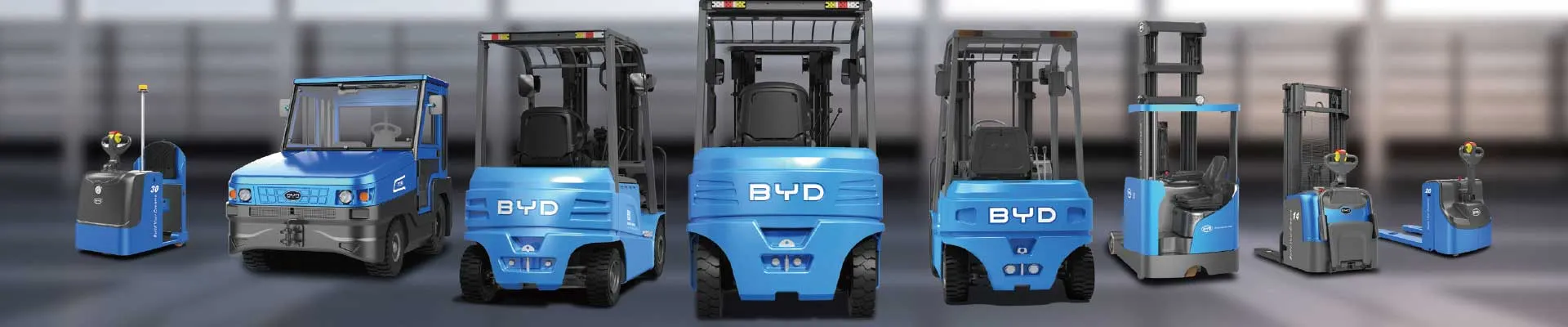
In recent years, with the steady growth of Ghana’s logistics, port operation, manufacturing and e-commerce warehousing sectors, the demand for efficient stacker equipment to support daily material handling work has kept rising. Many local business operators often make equipment selection decisions only referring to the initial procurement cost, while ignoring the total cost of ownership during the full service cycle, which leads to unnecessary extra expenditure in long-term operation.
When comparing diesel and electric stackers for local scenarios, the first factor most people notice is the initial purchasing input, where diesel stackers usually show a relatively lower upfront cost in the market. But for long-term operation, the volatile fuel price in Ghana’s market brings huge uncertainty to daily operation expenditure, and frequent adjustment of fuel cost will also make it hard for enterprises to make stable operation budget.
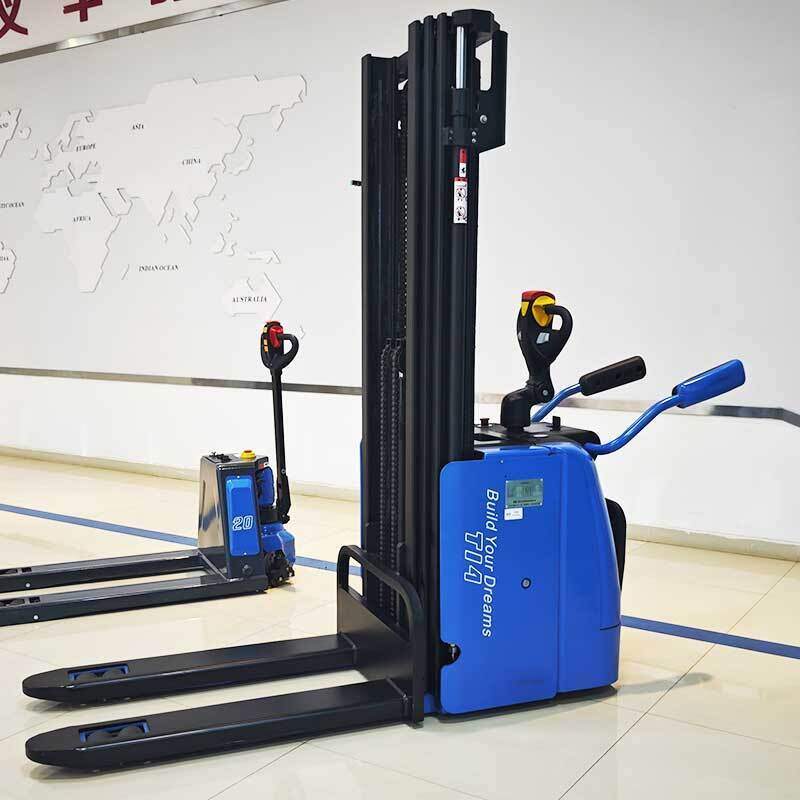
For daily operation cost, electric stackers run on electric power, whose per unit energy cost is far lower than the equivalent diesel consumption to finish the same workload. In terms of routine maintenance, diesel stackers with internal combustion engines need regular replacement of engine oil, fuel filter, air filter and emission related components, which takes more working hours and higher spare part cost. Electric stackers have much fewer wearing moving parts, the regular maintenance work is simple and the total annual maintenance expenditure can be cut significantly compared with diesel models.
As local environmental protection and non-road equipment emission regulations get stricter in recent years, more and more core operation zones such as urban warehouses and distribution centers have set access limits for high emission diesel equipment. Diesel stackers will generate extra cost on regular emission test and related rectification work, while zero-emission electric stackers fully meet current regulatory requirements without any extra compliance cost. Besides, low-noise operation of electric stackers also helps improve working environment for on-site staff, reducing potential occupational health related expenditure for enterprises.
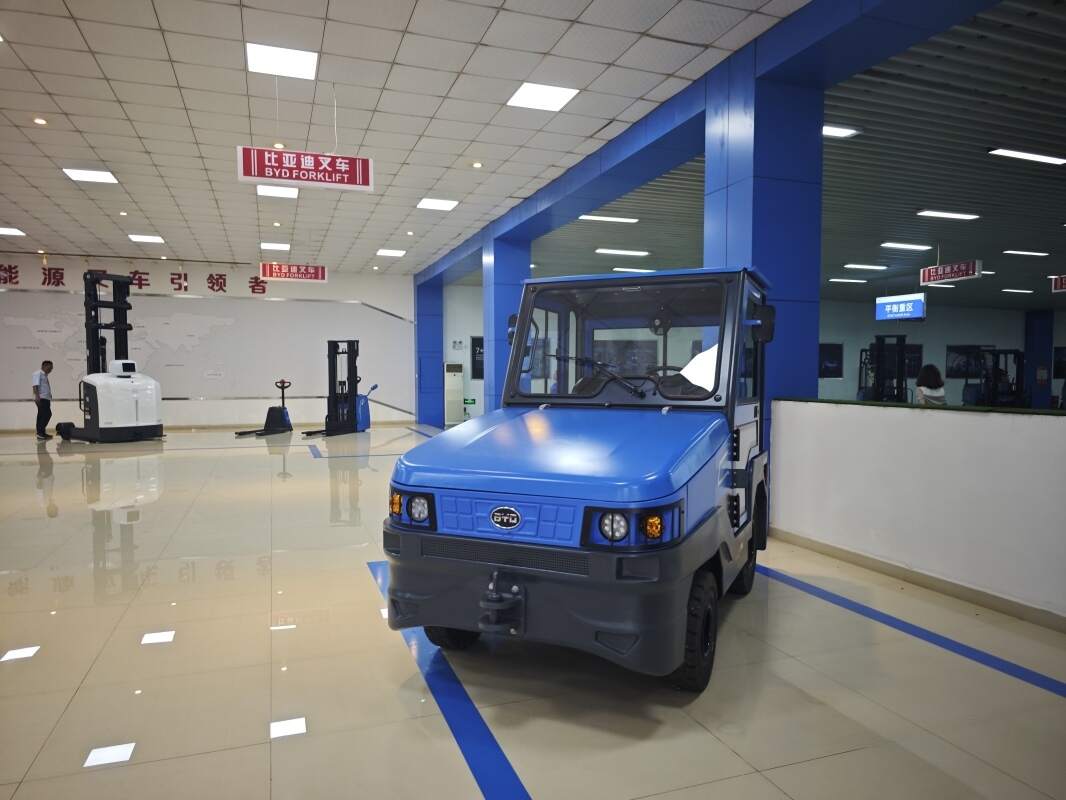
Calculated based on the 5-year full lifecycle, electric stackers present far lower total cost of ownership than diesel stackers, and can adapt to more diversified indoor and outdoor operation scenarios for local Ghanaian enterprises. We are Sharp Tree New Energy, focusing on BYD electric forklifts. If you need targeted material handling solution consultation, please send email to [email protected] for more professional support.


