简体中文
 Русский
 Français
 Português
 Español
 لالعربية

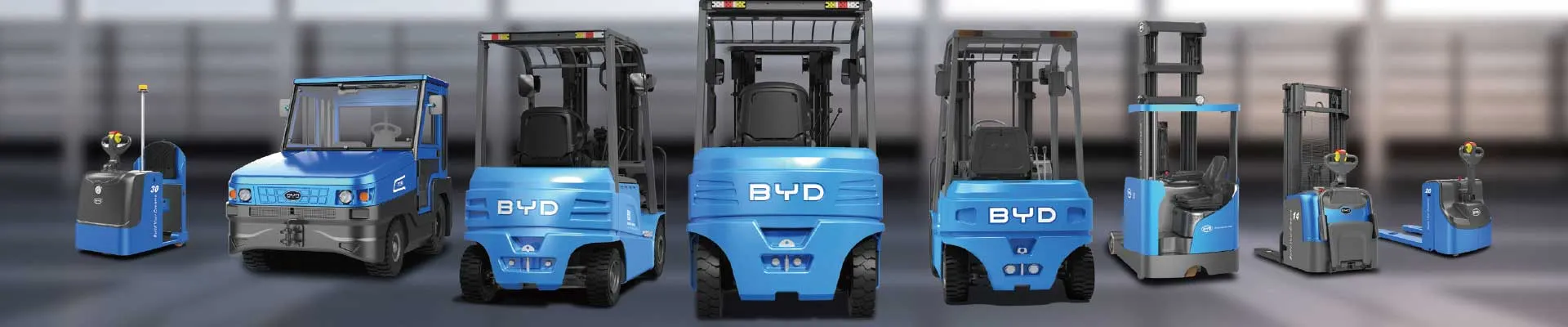
In recent years, Côte d'Ivoire’s logistics, port freight, agricultural product processing and e-commerce warehousing sectors have maintained steady growth, bringing rising demand for safe and cost-efficient material handling equipment. Stackers, as core equipment for high-lift cargo stacking and short-distance transfer in warehouses, have become a key focus for enterprise procurement teams, while the cost gap between diesel-powered and electric models is one of the top factors considered in the decision-making process.
Many local enterprises used to prioritize the initial purchase cost when selecting stackers, but this single-dimensional measurement cannot cover the total expenditure generated during the whole service cycle of the equipment. For traditional diesel stackers, the apparent lower initial purchase price is often offset by continuous high operating expenditure in subsequent daily use. In Côte d'Ivoire, the retail price of diesel has shown obvious periodic fluctuations in recent years, and the fuel cost for each hour of operation of a standard load diesel stacker accounts for more than 60% of the daily operating cost. Besides fuel expenditure, regular maintenance of the internal combustion engine, including replacement of lubricating oil, fuel filters, emission control related components, also brings continuous additional cost. In addition, as local environmental protection regulations are gradually improved, the compliance cost related to exhaust emission detection of diesel equipment also needs to be included in the total budget.
For electric stackers, the one-time initial investment is slightly higher than similar diesel products, but the long-term comprehensive cost advantage is very prominent. Côte d'Ivoire’s power supply stability has been greatly improved in recent years, and supporting distributed photovoltaic power supply solutions are also gradually popularized in industrial parks. The power consumption cost of electric stackers per hour of operation is only about 30% of the fuel cost of diesel models of the same specification. Since electric stackers do not have complex internal combustion engine structures, there is no need to carry out frequent maintenance work for engine related parts, and the annual maintenance cost can be reduced by more than 60% compared with diesel equipment. In the full life cycle of 3 to 5 years, the total comprehensive cost of electric stackers is far lower than that of diesel products of the same load level, and it will not produce exhaust gas pollution during operation, which is more suitable for food processing, daily commodity storage and other scenarios with high requirements for operating environment cleanliness.
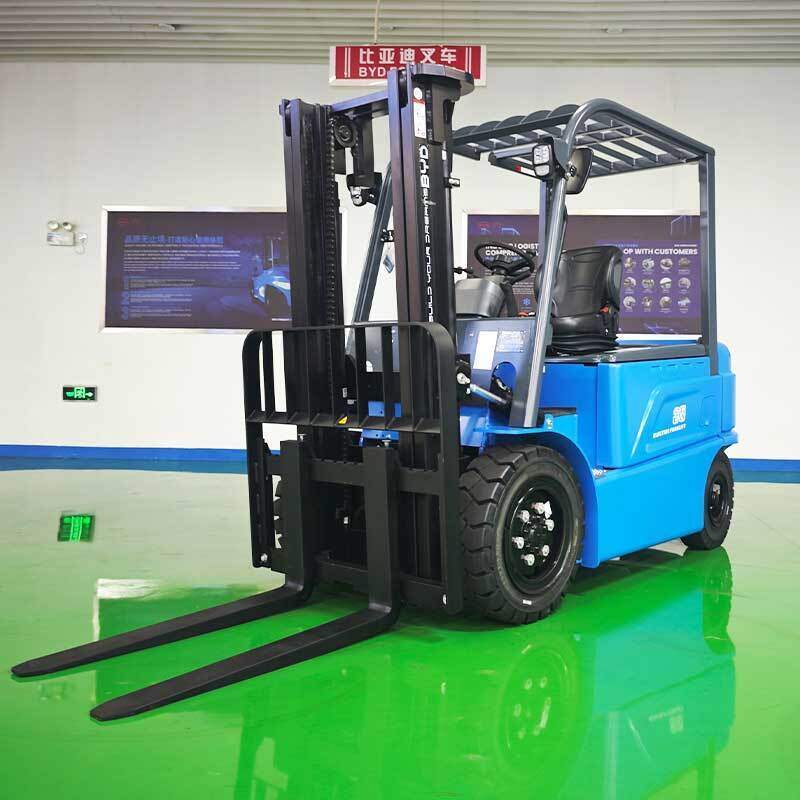
As a professional supplier dedicated to new energy material handling equipment, Sharp Tree New Energy focuses on high-quality electric forklift solutions, and can provide targeted cost accounting and configuration selection services for different types of local enterprises in Côte d'Ivoire. If you have relevant demand for consultation, you can send an email to [email protected] to obtain a customized exclusive plan.