
 简体中文
 Русский
 Français
 Português
 Español
 لالعربية

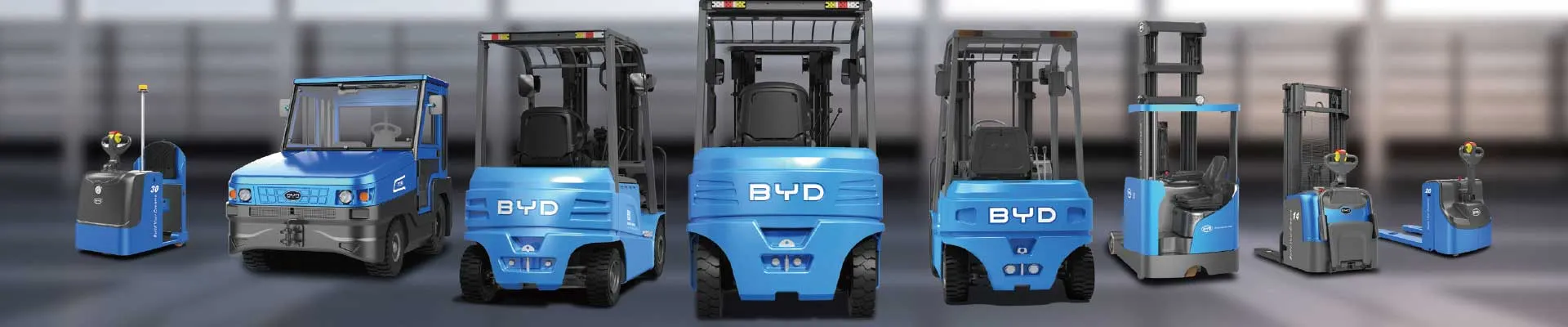
Cairo, as the core industrial and logistics hub of North Africa, hosts a large number of busy container ports, large-scale distribution warehouses, construction material yards and heavy manufacturing plants, where high-capacity forklifts have become core material handling equipment supporting daily operation. For most local fleet operators, the choice between diesel and electric high-capacity forklifts has long been a key decision closely related to long-term operational expenditure.
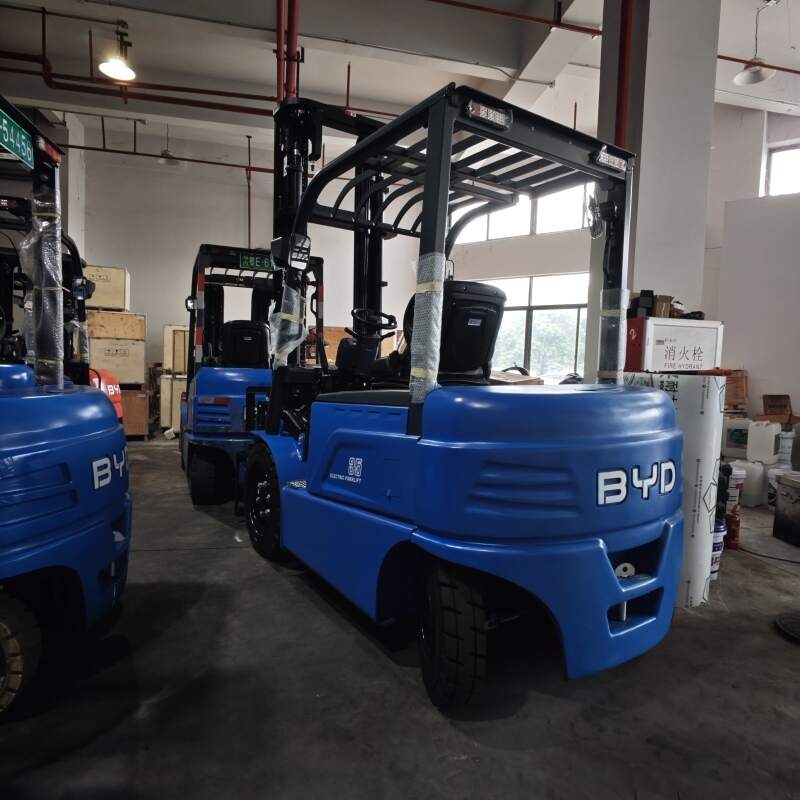
When evaluating the cost picture, the first factor most operators notice is the upfront procurement cost. Generally, high-capacity electric forklifts have a slightly higher initial purchase price compared with diesel counterparts with the same load capacity. However, the gap between the two types of equipment has been narrowing in recent years along with the popularization of mature new energy battery technologies.
The biggest difference between the two types of forklifts appears in the daily operating cost. In Cairo’s market, industrial diesel price has experienced obvious fluctuations in the past 5 years, and the unit energy cost per ton-kilometer of diesel forklifts is 2 to 3 times higher than that of electric forklifts calculated by local industrial electricity tariff. For fleets that run 8 hours or more per day, the monthly energy cost saving of a single high-capacity electric forklift can reach a very considerable level. Besides, electric forklifts have no internal combustion engine structure, which cuts off the need for regular replacement of engine oil, fuel filters, exhaust treatment components and other consumables required by diesel forklifts, reducing the annual maintenance cost by around 60% on average.
In recent years, the local municipal authority of Cairo has introduced stricter emission control rules for non-road mobile equipment operating in downtown areas and port core zones. Diesel high-capacity forklifts that fail to meet the latest emission standards will face additional environmental surcharges and restricted access to specific operation zones, which will bring hidden extra costs that many operators have not included in the initial budget. High-capacity electric forklifts produce zero on-site emissions during operation, which can fully adapt to the current and future environmental management requirements of Cairo, and no extra emission related fees will be generated during the whole service life.
After 5 to 7 years of normal operation calculation, the total cost of ownership of high-capacity electric forklifts is significantly lower than that of diesel models under most continuous operation scenarios. For local operations that pursue long-term stable cost control, electric high-capacity forklifts have become a more cost-effective option. We are Jianshu New Energy, focusing on BYD electric forklifts, if you have relevant consultation demands, please contact us via [email protected].


