
 简体中文
简体中文 Русский
 Français
 Português
 Español
 لالعربية
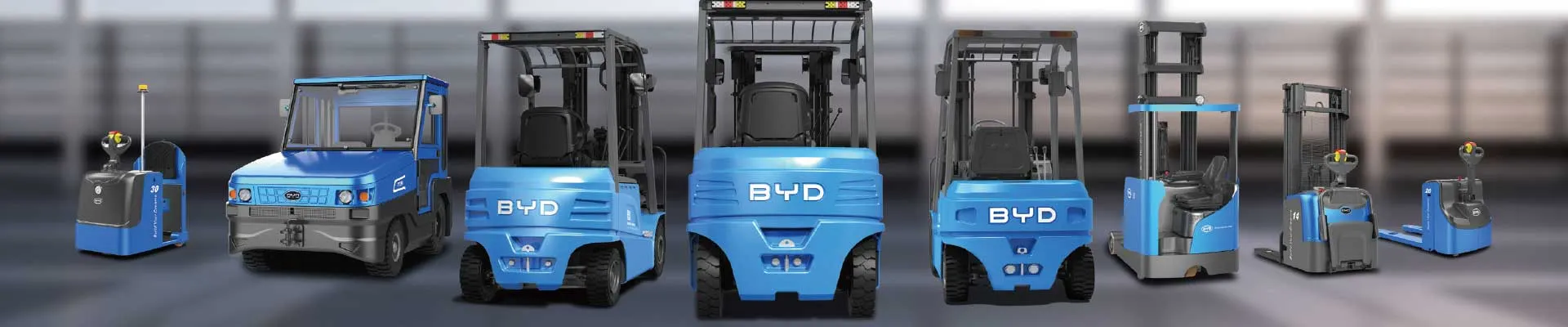
.jpg "Decoding Pallet Truck Model Codes: FBTA, FBTC and Beyond(figure1)")
As the demand for low-carbon, high-efficiency indoor material handling solutions keeps rising across different industrial sectors, electric forklifts have become one of the most widely adopted core equipment for modern warehouse and factory logistics systems. A clear understanding of its performance characteristics, maintenance rules and operation standards can help operators fully tap the value of the equipment in daily working scenarios.
Core Functional Advantages of Electric Forklifts for Indoor Scenarios
Different from fuel-powered handling equipment, electric forklifts produce no local exhaust emission during operation, which effectively reduces the accumulation of harmful gas in closed indoor spaces, and avoids additional ventilation investment for factories and warehouses to a large extent. The overall operating noise level is also much lower than that of traditional internal combustion equipment, which can reduce the long-term noise exposure risk for on-site operators, and create a more comfortable working environment for surrounding staff. The power output of electric driving system is smoother and more responsive, which can provide more precise control performance during narrow channel turning, goods lifting and docking operations, adapting to the diverse handling demands of different working scenes.
Key Daily Maintenance Specifications to Extend Equipment Service Life
Standardized daily maintenance work is the core premise to keep electric forklifts in stable working condition for a long time. Operators need to check the remaining power level of the power battery before each shift, clean the dust and residual liquid on the electrode surface regularly, and avoid frequent deep discharge which may shorten the total cycle life of the battery. It is also necessary to inspect the tightness of the brake system, steering system and lifting mechanism every week, apply lubricating oil to the movable connection parts on schedule, and clean up the sundries and cargo debris stuck in the transmission parts in time. Any abnormal sound or unresponsive situation found in daily inspection should be handled promptly to prevent small hidden faults from evolving into large downtime losses.
Practical Operation Tips to Boost Handling Productivity
Before starting the formal operation, new operators need to get familiar with the basic parameters of the working site, including channel width, maximum allowable stacking height and ground load limit, to avoid misoperation that may cause equipment wear or cargo damage. During the moving process, keep a stable driving speed, avoid sudden braking and sharp turning as much as possible, and adjust the lifting speed according to the actual weight of the loaded goods. When the operation is paused for more than ten minutes, operators can turn off the power output to reduce unnecessary power consumption, and reasonably plan the handling route to cut down the ineffective driving distance. These small adjustment measures can effectively lift the unit time handling efficiency without extra capital investment.


