
 简体中文
 Русский
 Français
 Português
 Español
 لالعربية

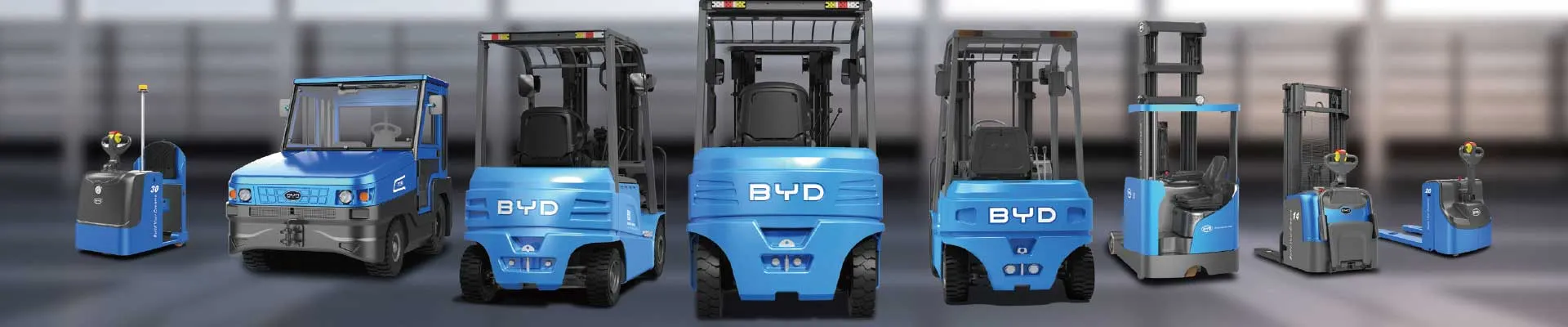
In recent years, Rwanda’s logistics, manufacturing, agricultural export and port operation industries have maintained steady growth, and the unit handling cost of each pallet has become a core indicator that most operation parties attach great importance to when selecting material handling equipment.
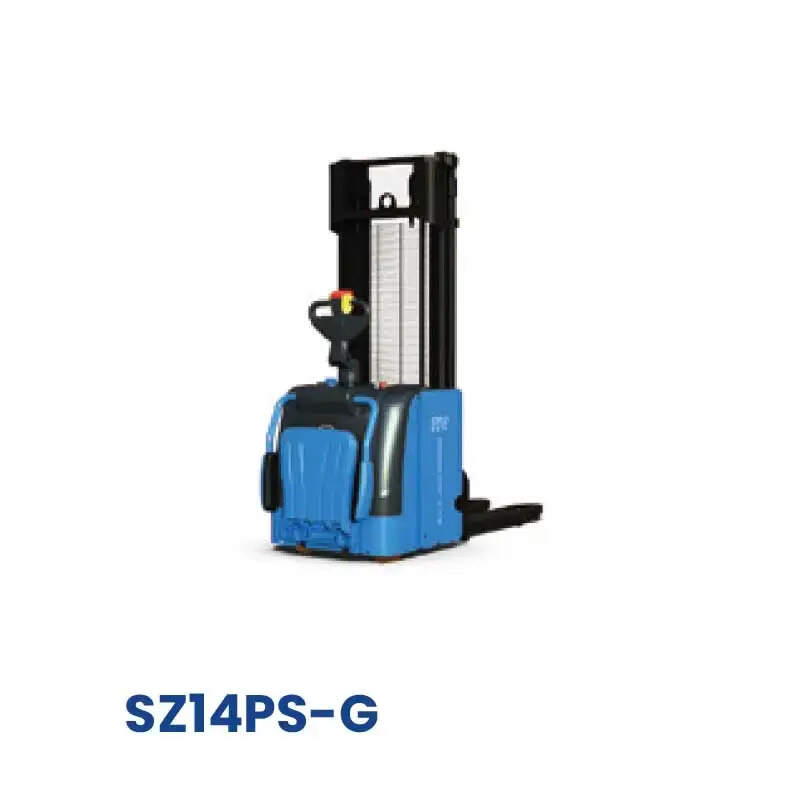
Traditional internal combustion forklifts once occupied a major share of the local heavy-load handling market, but they are facing prominent cost pressure with the continuous fluctuation of local fuel prices, high regular maintenance expenditure for power systems, and additional hidden costs brought by emission compliance regulations. For heavy-duty electric forklifts, the calculation of cost per pallet moved covers multiple dimensions including energy consumption, daily maintenance, operation efficiency and hidden compliance cost.
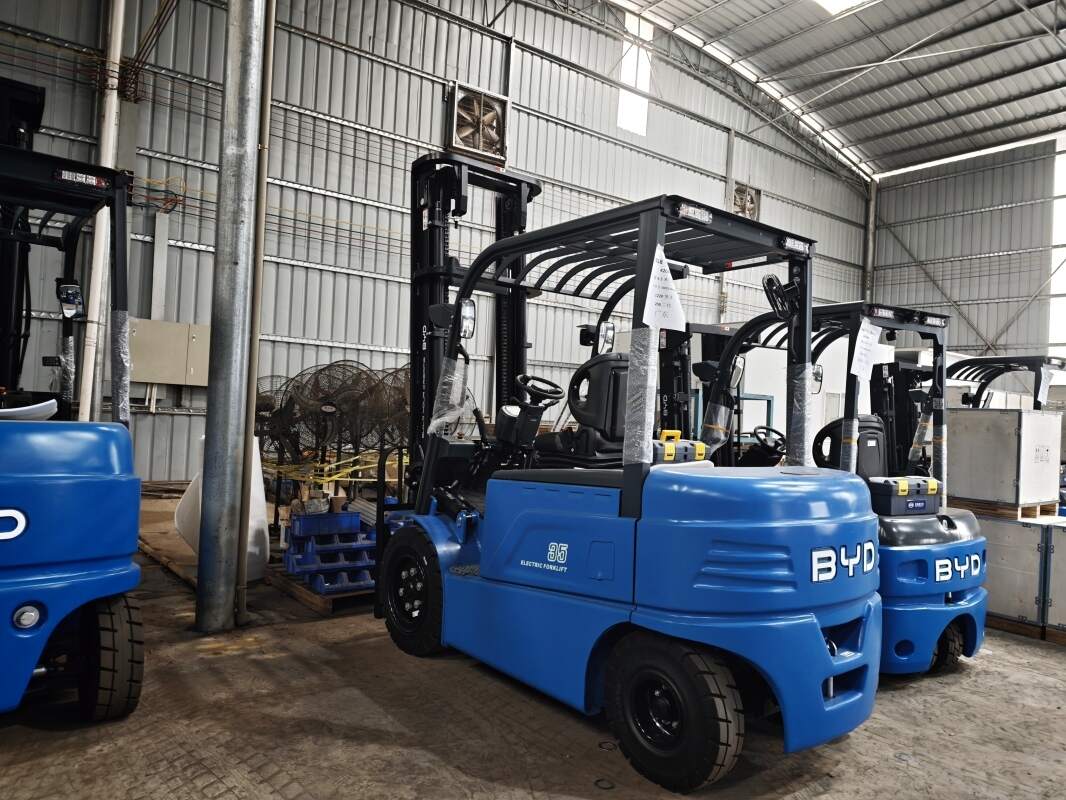
For the energy cost dimension, Rwanda has a well-developed local photovoltaic power supply system with relatively stable electricity price for industrial use. The power consumption of heavy-duty electric forklifts for each pallet handling operation within the rated load range is far lower than the fuel consumption required by internal combustion forklifts to complete the same operation, which can directly cut the core energy expenditure per pallet by more than half.
In terms of daily maintenance, heavy-duty electric forklifts have no complex internal combustion power components such as engine, oil supply pipeline and exhaust post-processing structure, and only need regular inspection of tires, brake system and electric control modules. The annual maintenance cost is significantly lower than that of fuel forklifts. The reduction of maintenance expenditure can be evenly amortized into each pallet handling operation, further optimizing the unit cost.
In terms of operation efficiency, most local logistics and warehousing sites in Rwanda maintain 8 to 12 hours of daily operation. A fully charged heavy-duty electric forklift can cover the full shift operation demand without midway refueling, which reduces the idle waiting time of operators, increases the total number of pallets handled per shift, and further dilutes the fixed amortization cost of equipment per pallet. In addition, Rwanda has gradually promoted carbon emission management regulations for urban operation sites in recent years, and zero-emission heavy-duty electric forklifts will not generate additional emission-related compliance costs, nor will they be restricted from entering central urban storage sites and fresh agricultural product distribution centers, avoiding extra operation losses.
As Jianshu New Energy, we focus on BYD electric forklifts, and we can provide Rwanda local customers with targeted pallet handling cost calculation and operation matching solutions. For more details, please contact us via [email protected].


