
 简体中文
简体中文 Русский
 Français
 Português
 Español
 لالعربية
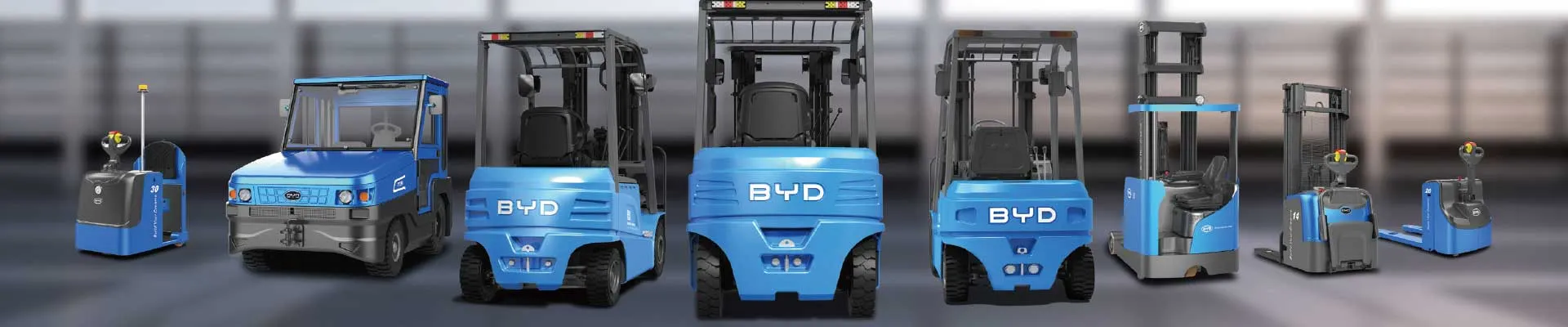
As more logistics and industrial sites shift focus to low-carbon operation and low-noise working environment, electric forklifts have become one of the most widely adopted material handling equipment in recent years. This guide shared by senior industry practitioners covers core practical knowledge that helps relevant personnel grasp proper usage and management methods easily, no excessive professional threshold is needed for common operators to understand the key points quickly.
Core Performance Characteristics of Electric Forklifts
Unlike internal combustion counterparts, modern electric forklifts rely on stored electrical energy to power the driving and loading systems, generating far less noise during operation and producing no exhaust emissions at working sites. Such performance features fit the operation requirements of closed warehouses, food processing workshops and pharmaceutical storage areas that have strict rules on air quality and working environment comfort. Most mature electric forklift models on the market can meet the load capacity demands ranging from 1 ton to 5 tons, covering most conventional material handling demands in daily industrial and logistics scenarios.
Routine Maintenance Points for Electric Forklifts
Regular maintenance can effectively reduce unexpected failure rates and extend the overall service cycle of the equipment. Operators need to check the remaining power status before each shift, confirm that the tire pressure, lifting chain tightness and brake response are within the normal range, and clean the surface dust and debris of the battery compartment regularly to avoid poor heat dissipation caused by accumulated dirt. For power modules, relevant personnel shall follow the official specified charging procedures, avoid frequent full discharge operations, and arrange professional inspection for circuit components on a quarterly basis to eliminate hidden safety risks in time.
Efficient Operation Optimization Suggestions
Operators who have received standardized training can adjust their driving routes reasonably according to the site layout, avoid frequent sharp turns and sudden acceleration that may cause extra energy consumption, and arrange the loading and unloading sequence properly to reduce no-load driving time. During low peak period of daily operations, it is recommended to park the equipment at the designated charging area in time for supplementary power, to avoid the situation of insufficient power affecting normal work tasks at peak hours. It is also not recommended to place overweight goods beyond the rated load for a long time, which may cause extra wear of the lifting structure.
Applicable Scenario Matching Principles
Before selecting suitable electric forklift models, site managers shall evaluate the average weight of handling goods, the width of operation aisles and the maximum lifting height demand, to avoid selecting equipment with excessive redundant performance that causes unnecessary cost waste, or choosing models that cannot match the actual operation requirements. For sites with very high frequency of all-day operation, it is recommended to configure spare power modules to support quick replacement, so as to reduce the downtime caused by long charging periods. Following the above practical operation and management rules can help enterprises give full play to the use value of electric forklifts, create a safer and more efficient material handling working environment.


