
 简体中文
简体中文 Русский
 Français
 Português
 Español
 لالعربية
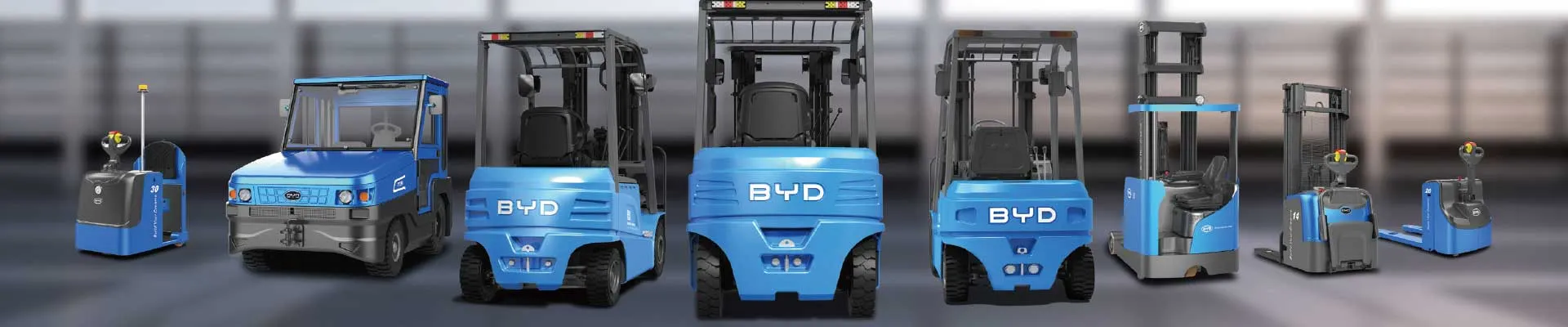
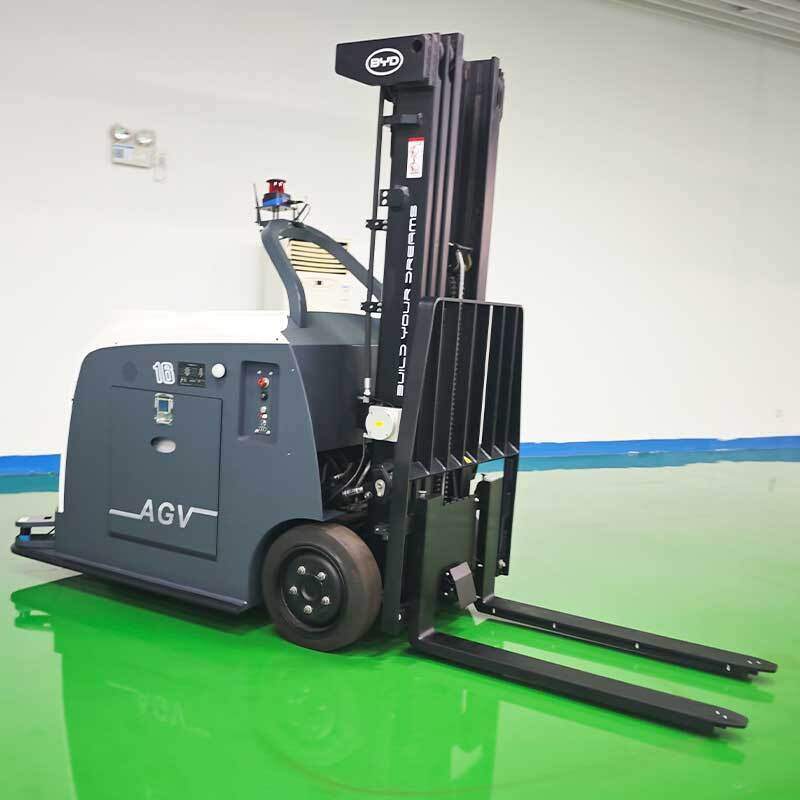
With the continuous promotion of low-carbon logistics concepts across the global supply chain, electric forklifts have gradually become one of the most widely used material handling equipment in closed warehouses, retail distribution centers and light manufacturing workshop scenarios. As a senior practitioner deep in this sector for years, we sort out systematic practical knowledge for industry users to solve common confusion in daily operation and management.
Core Performance Advantages of Standard Electric Forklifts
Compared with traditional internal combustion handling equipment, electric forklifts operate with much lower noise and zero tail gas emission, which can effectively improve the working environment for on-site staff and avoid air pollution in enclosed indoor spaces. The whole machine adopts an electric drive system, with more smooth and accurate control on movement, lifting and steering, which reduces the operation difficulty for new operators and lowers the error rate in frequent picking and placing operations. The overall vibration level during operation is also kept at a relatively low range, which can reduce the wear of internal structural parts to a certain extent.
Rational Daily Maintenance Rules for Stable Operation
Regular daily inspection is the core premise to keep electric forklifts in good condition for a long time. Before each shift, operators can check the power connection parts of the battery pack to confirm there is no loose or corrosion phenomenon, and wipe the dust and sundries on the surface of the battery shell and body in time. Operators need to test the braking system and lighting prompt device before formal operation, to ensure all safety components can respond normally. For the lifting gantry and rotating connection parts, staff can add professional lubricant on a regular cycle according to the operation manual to avoid abnormal jamming during high-frequency use. When the equipment is not in use for a long time, users should park it at the designated position, turn off the total power supply, and keep the battery power at a reasonable level to avoid deep power discharge which may affect the overall service life of the battery pack.
Scenario Adaptation Tips to Boost Operational Efficiency
Different working scenarios have different requirements for the configuration of electric forklifts. For narrow aisle warehouse scenarios, users can choose matched models with appropriate body width to make full use of the limited storage space. For medium and heavy load handling scenarios, operators should arrange reasonable operation intervals to avoid continuous high-load operation for a long time, so as to keep the machine running in a stable state. Regular standardized operation training for front-line staff can also help reduce unnecessary misoperation, further improve the overall turnover efficiency of warehouse material handling.


