
 简体中文
简体中文 Русский
 Français
 Português
 Español
 لالعربية
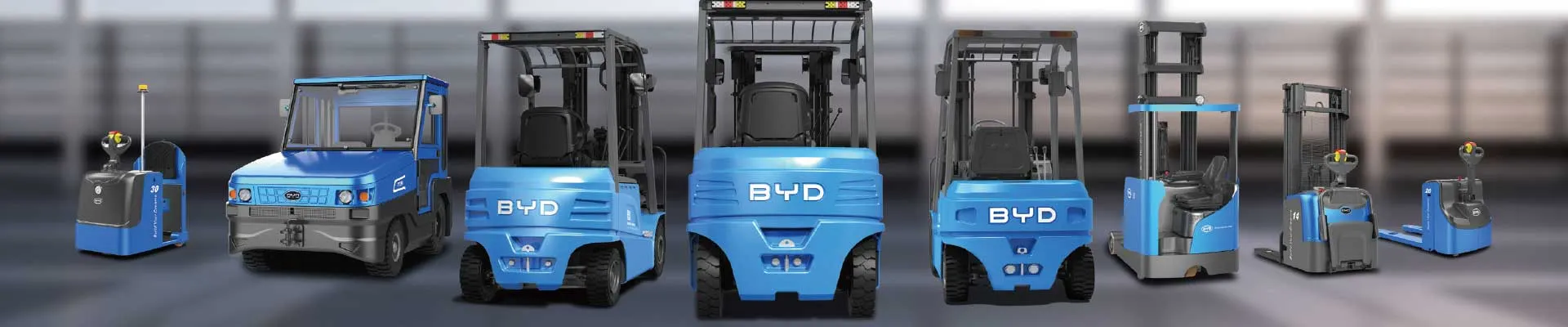
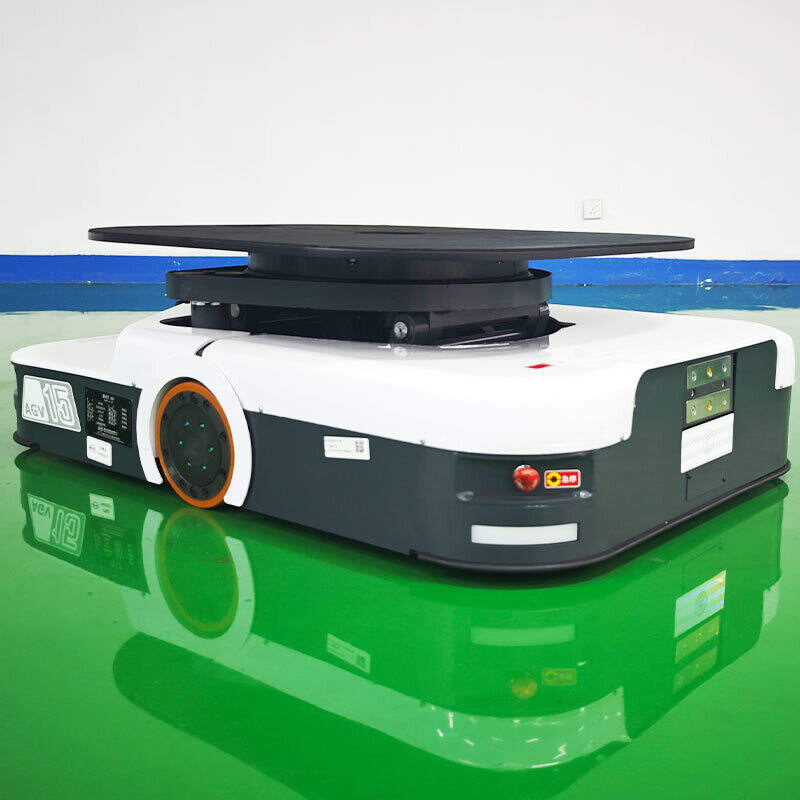
As the core equipment for modern industrial and warehouse material handling, electric forklifts have been widely applied in multiple scenarios due to their low noise, zero local emission and relatively low operating cost. Mastering systematic professional knowledge of electric forklift use and management can help relevant practitioners give full play to the equipment’s performance while avoiding unnecessary operating risks.
Safe Operation Standards for Conventional Scenarios
Before starting the equipment every time, operators need to complete routine pre-inspection work, including checking the remaining battery level, the sensitivity of the braking system, the flexibility of the lifting mechanism, and whether there are obvious barriers in the surrounding operating area. During the operation process, operators should strictly follow the rated load requirement, avoid overloading the goods beyond the equipment’s specified bearing range, and do not carry extra personnel on the forklift body outside of the designated operating position. When the equipment is running on a ramp, keep the goods facing the uphill direction to prevent the goods from slipping off accidentally, and do not turn the vehicle on the ramp with a gradient that exceeds the allowed parameter range.
Routine Maintenance Specifications for Long-term Stable Performance
The power energy unit of the electric forklift is the core component that needs regular maintenance, operators should avoid the behavior of full discharge before charging, and arrange charging work in a cool and ventilated environment as much as possible, to prevent the energy unit from being eroded by high temperature or humid gas for a long time. Regularly clean the dust and debris accumulated on the surface of the driving motor and control circuit, check the sealing performance of the hydraulic oil pipeline, and remove the sundries stuck near the walking wheel set in time to reduce extra wear of the transmission structure.
Practical Strategies to Improve Energy Efficiency and Reduce Operating Costs
In the daily operation process, reasonably plan the handling route to reduce unnecessary repeated turning and long-distance empty driving, try to avoid frequent sudden acceleration and sudden deceleration behaviors, which can effectively reduce extra energy consumption. Adjust the power output mode of the equipment according to the actual load weight and road condition, turn off the power supply in time when the equipment is in idle state for a long time, which can further extend the single continuous working duration of the equipment. Standardized operation and scientific maintenance can effectively reduce the failure rate of electric forklifts, create a safer working environment for front-line logistics practitioners.


