
 简体中文
简体中文 Русский
 Français
 Português
 Español
 لالعربية
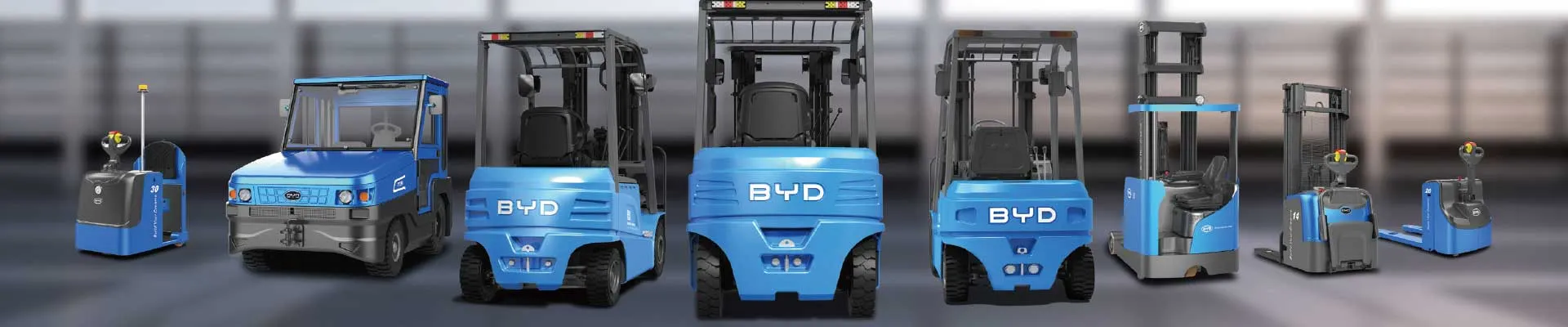
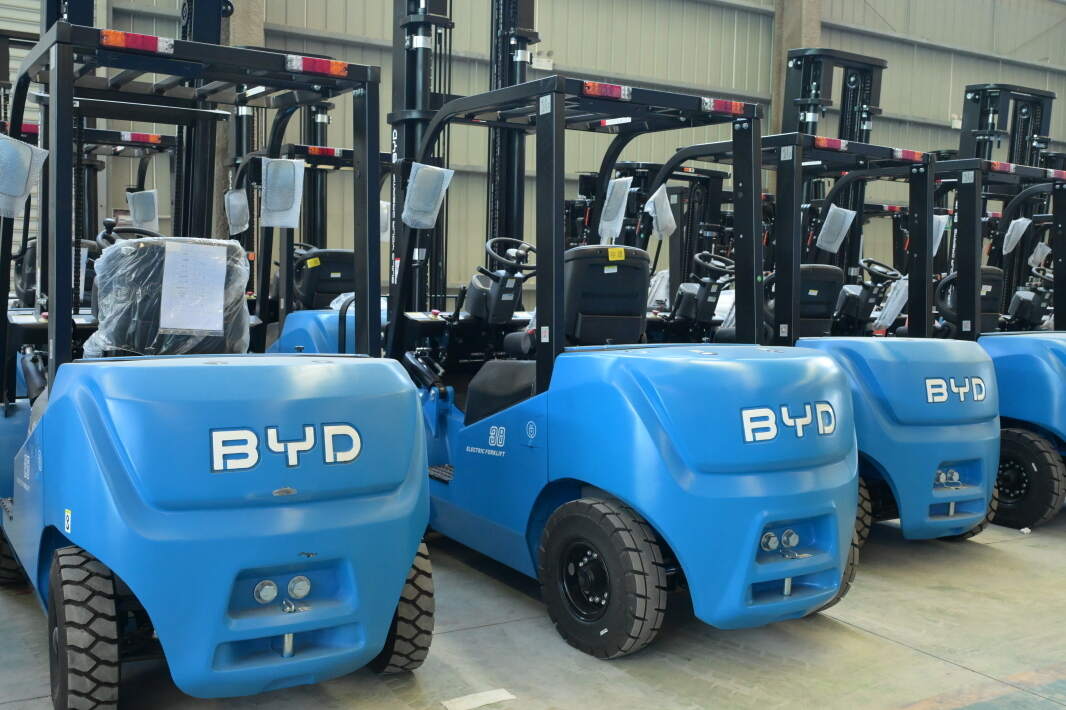
As the logistics and warehouse industry continues to pursue low-carbon, high-efficiency operation modes, electric forklifts have gradually become one of the most widely used handling equipment in indoor and enclosed operation scenarios. For frontline operators, warehouse managers and industry practitioners, mastering systematic core knowledge of electric forklifts can help reduce unnecessary operation risks and extend the service life of equipment.
Core Functional Features of Electric Forklifts
Different from traditional internal combustion powered handling equipment, electric forklifts rely on stored electric energy as the only power source during operation, which will not produce exhaust emissions that affect the indoor working environment. The overall operation noise level of standard electric forklifts is significantly lower than that of fuel-powered products, which can reduce long-term noise interference to working staff in enclosed spaces. The number of regular maintenance parts of electric forklifts is relatively smaller, and the overall daily energy consumption cost is more stable under long-term use.
Suitable Application Scenarios
Most standard electric forklifts are designed to adapt to flat, firm ground operation environments, and they perform stably in common indoor warehouse scenarios such as e-commerce distribution centers, raw material storage areas of manufacturing workshops, food processing workshops that have strict requirements for air cleanliness, and low-temperature cold chain storage environments. Users can select products with corresponding load and lifting height parameters according to their actual operation needs, to avoid equipment overload operation caused by improper parameter matching.
Basic Operation and Maintenance Norms
Before formal operation, operators need to complete corresponding skill training to master the basic operation logic of control components. It is recommended to conduct a simple pre-operation inspection before each start, including checking the remaining power level of the power system, the flexibility of the brake structure, and the smooth operation of the lifting and tilting accessories. During daily storage, the equipment should be placed in a dry, ventilated and flat area, and the power interface should be cleaned regularly to avoid dust accumulation that affects the normal charging process. When the equipment is not used for a long time, regular supplementary charging can be carried out according to the requirements of the power system to maintain the good performance of the whole machine.


