
 简体中文
简体中文 Русский
 Français
 Português
 Español
 لالعربية
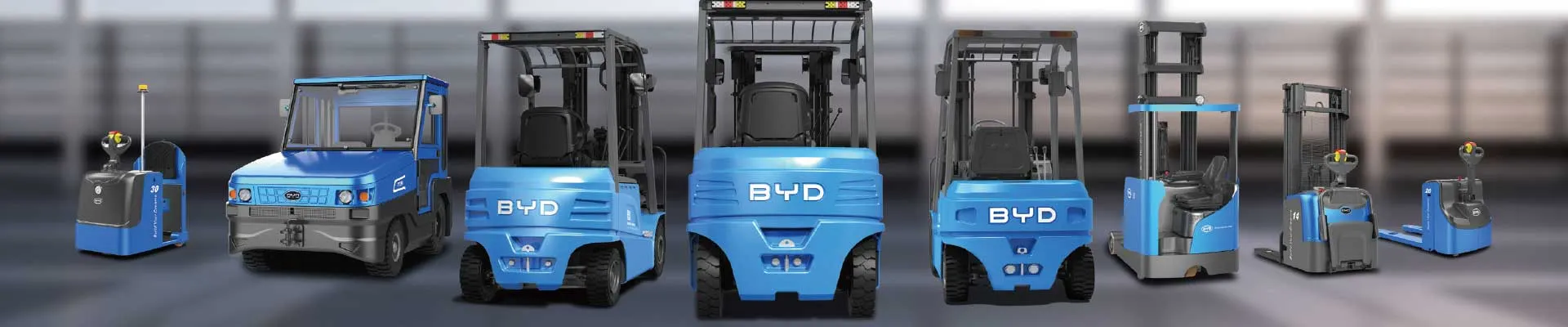
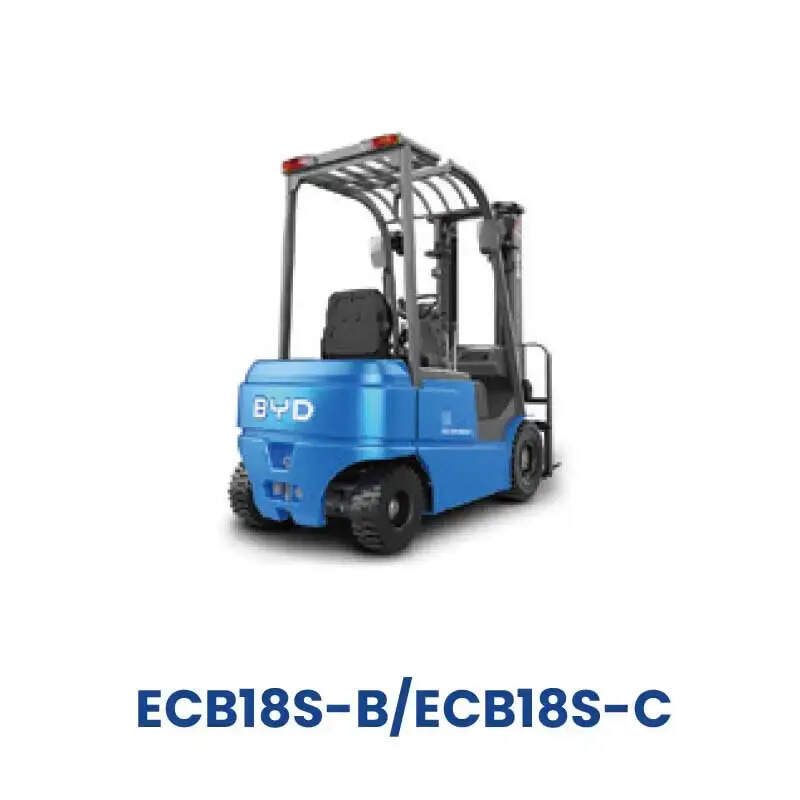
As the low-carbon development trend of industrial logistics continues to advance, electric forklifts have become one of the most widely used material handling equipment in closed warehouses, manufacturing workshops and commercial distribution centers, bringing more stable and low-noise operation experience for frontline handling work.
Core Functional Advantages of Electric Forklifts
Different from fuel-powered handling equipment, modern electric forklifts produce no exhaust emissions during operation, and the overall noise level can be controlled within a relatively low range, which can better meet the environmental requirements of enclosed operation spaces, and is more friendly to the health of long-term frontline operators. Most of the existing electric forklift models support flexible parameter adjustment, which can adapt to different operation requirements such as low-speed accurate stacking and long-distance horizontal handling according to actual use demands. It is also more convenient for enterprises to arrange the operation sequence of equipment according to the shift arrangement, without additional complex fuel replenishment process.
Standardized Daily Operation Specifications
All operators need to receive corresponding pre-job skill training before formally taking up the post, and master the basic operation logic and safety protection rules of the equipment. Before each operation, it is necessary to check the braking performance, remaining power, steering flexibility and the smooth state of the fork, and confirm that there is no unrelated personnel or obvious obstacle in the planned operation area. During the operation process, the actual load should not exceed the rated load range marked by the equipment, reduce the speed in time when turning, avoid emergency stop and sharp steering, and send out prompt signals in advance when passing through narrow aisles or blind areas to avoid accidental collision with surrounding personnel or goods.
Scientific Daily Maintenance Strategies
After each shift operation, the surface of the equipment should be cleaned in time to remove the accumulated sundries and dust on the body, and the fork should be lowered to the lowest position and parked in the designated non-working area. Operators should arrange charging plans reasonably according to the remaining power, and avoid over-discharging the battery for a long time to affect the overall service life of the power system. It is also necessary to regularly check the sealing performance of the hydraulic system, the wear degree of the walking tires and the tightness of each circuit interface, and replace the accessories that exceed the normal wear range in time, and do not modify the original circuit or mechanical structure of the equipment without professional guidance.
Scenario-based Usage Optimization Suggestions
For different special operation environments, targeted adjustment of usage rules can further improve the operation stability of electric forklifts. For example, in low temperature environment, it is necessary to reserve sufficient preheating time for the equipment before starting formal operation. In high humidity and rainy operation scenarios, the waterproof protection state of the circuit interface should be checked regularly to avoid potential safety hazards caused by moisture. For high-intensity continuous operation shifts, reasonable rotation rest time should be arranged for different devices to avoid overheating of core components caused by long-term high load operation. The combination of standardized operation and scientific maintenance can effectively reduce the overall operating cost of electric forklifts, give full play to the use value of the equipment, and help the entire material handling link to achieve more efficient and stable operation.


