
 简体中文
简体中文 Русский
 Français
 Português
 Español
 لالعربية
.jpg "- Three-Wheel vs Four-Wheel Electric Forklifts: What Actually Changes?(figure1)")
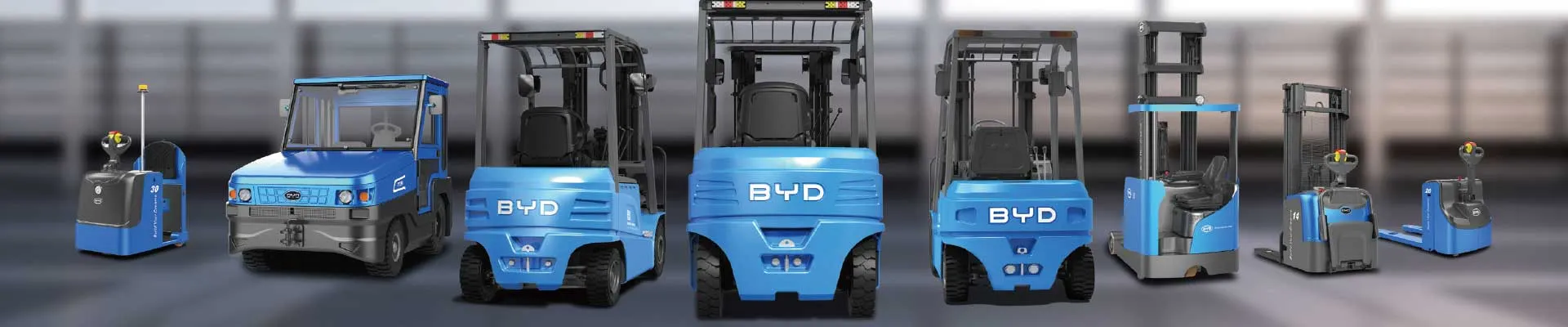
With the continuous promotion of green low-carbon transformation in modern industrial logistics systems, electric forklifts have become the widely recognized mainstream equipment for indoor and outdoor flat material handling in recent years. This professional popularization content sorts out core practical knowledge for frontline operators and logistics managers, to help them grasp key application rules in different working scenarios.
Core Performance Characteristics of Electric Forklifts in Common Scenarios
Unlike traditional internal combustion handling equipment, electric forklifts operate with low noise output and zero on-site exhaust emissions, which makes them highly adaptable to enclosed warehouse spaces, food production workshops, pharmaceutical processing areas and other scenarios with strict requirements for environmental cleanliness. The power output of calibrated electric forklift units can meet the load demand of most 1 to 5 tonnage conventional material handling tasks, and the relatively compact body structure supports flexible operation in narrow aisle spaces that are not accessible for large-sized handling equipment.
Key Points of Standardized Daily Operation
Before the start of each shift, operators need to complete routine pre-start checks, including the remaining power status of the power unit, the sensitivity of the braking system, the flexibility of the lifting and tilting hydraulic components, and the intact status of safety warning lights. During the operation process, operators should avoid overloading beyond the rated load range, and keep a proper safe distance from surrounding personnel and stacked goods when the fork is lifted to a certain height, so as to reduce potential safety risks in the working area. It is not recommended to operate electric forklifts on slopes with excessive inclination, to prevent sideslip or accidental power outage caused by unstable center of gravity.
Scientific Daily Maintenance Guidelines
Routine standardized maintenance can effectively extend the service life of electric forklifts, and reduce the probability of unexpected failures that may cause temporary work interruption. For the power battery unit, operators should follow the specified charging process, avoid long-term over-discharge that damages the internal activity of battery cells, and clean the dust and accumulated sundries on the surface of the battery compartment regularly. For the walking and transmission components, regular lubrication and fastening inspection can effectively reduce wear loss caused by long-term high-frequency operation. When the equipment is not used for a long time, it should be parked in a dry and ventilated storage area, and the power supply should be disconnected to avoid unnecessary energy consumption. By mastering the above systematic operation and maintenance knowledge, logistics teams can give full play to the performance advantages of electric forklifts, and achieve stable and reliable material handling effects in daily production activities.


