
 简体中文
简体中文 Русский
 Français
 Português
 Español
 لالعربية
.jpg "Reversing With a Pallet Truck: Techniques for Clear Sight(figure1)")
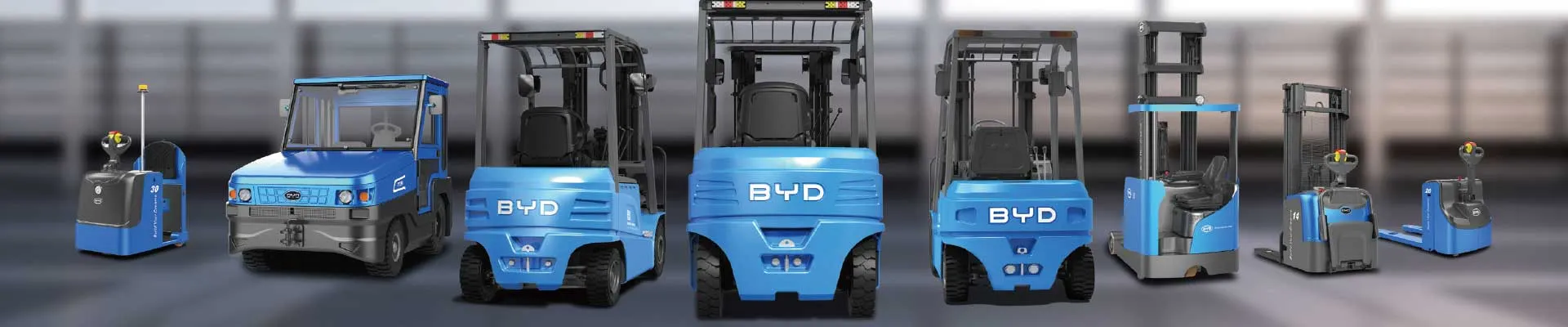
With the continuous promotion of low-carbon industrial operation concepts, electric forklifts have become one of the most widely used material handling equipment in warehousing, manufacturing and distribution scenarios in recent years. Compared with traditional internal combustion counterparts, this type of equipment features lower noise, zero on-site emissions and more flexible operation, which matches the current development trend of green logistics. Mastering correct operation and management rules can help operators give full play to the performance of the equipment and reduce unnecessary operation loss.
Core Functional Characteristics of Electric Forklifts for Scenario Matching
Different from fuel-powered equipment, electric forklifts rely on on-board battery packs to provide power output, and their whole power transmission system has fewer moving friction parts, which reduces the regular lubrication and adjustment work required by traditional equipment. This type of equipment produces no exhaust gas during operation, which is more suitable for closed scenes such as indoor warehouses, food processing workshops and medicine storage areas with high requirements for air environment. Most standard models can also maintain stable load capacity in the temperature range of common indoor and outdoor working environments, meeting the handling demands of most daily operation scenarios.
Standardized Daily Operation Guidelines
Before starting each shift, operators need to check the remaining power of the equipment, the flexibility of the lifting and steering system, and the integrity of the safety warning components, and confirm that there is no abnormal exposed cable or loose connection parts on the vehicle. During the driving process, operators should keep the carrying goods within the rated load range, avoid sharp steering and sudden braking on the wet and slippery ground, and keep a safe distance from surrounding passing personnel and stacked goods. When the equipment is not in use, the fork should be lowered to a position 10 to 15 cm away from the ground, the power supply should be cut off in time, and it should be parked in the designated non-passage area to avoid affecting the normal passage of other operation equipment.
Routine Maintenance Points to Reduce Operation Loss
Daily maintenance work of electric forklifts focuses on the management of the power supply system. Operators should follow the formal charging specifications to complete the charging work in a cool and ventilated environment, avoid over-discharging the battery pack for a long time, and clean the dust and sundries on the surface of the battery and the vehicle body regularly. The running parts of the walking and lifting system should be checked regularly for wear, and appropriate lubrication treatment should be carried out according to the actual use frequency, so as to avoid the unplanned shutdown of the equipment caused by minor component wear. Regular operation and maintenance in accordance with relevant rules can effectively extend the service cycle of the equipment, and create higher practical value for daily material handling work.


