
 简体中文
简体中文 Русский
 Français
 Português
 Español
 لالعربية
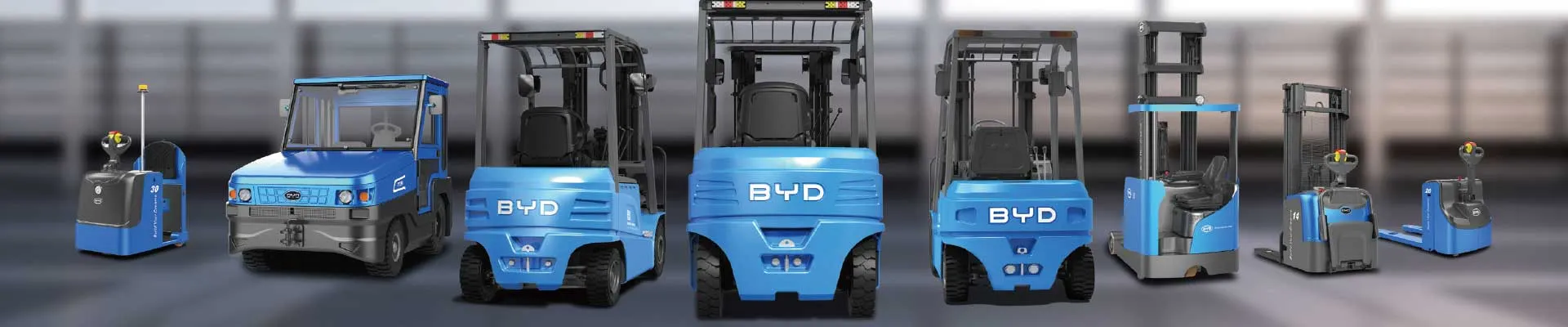
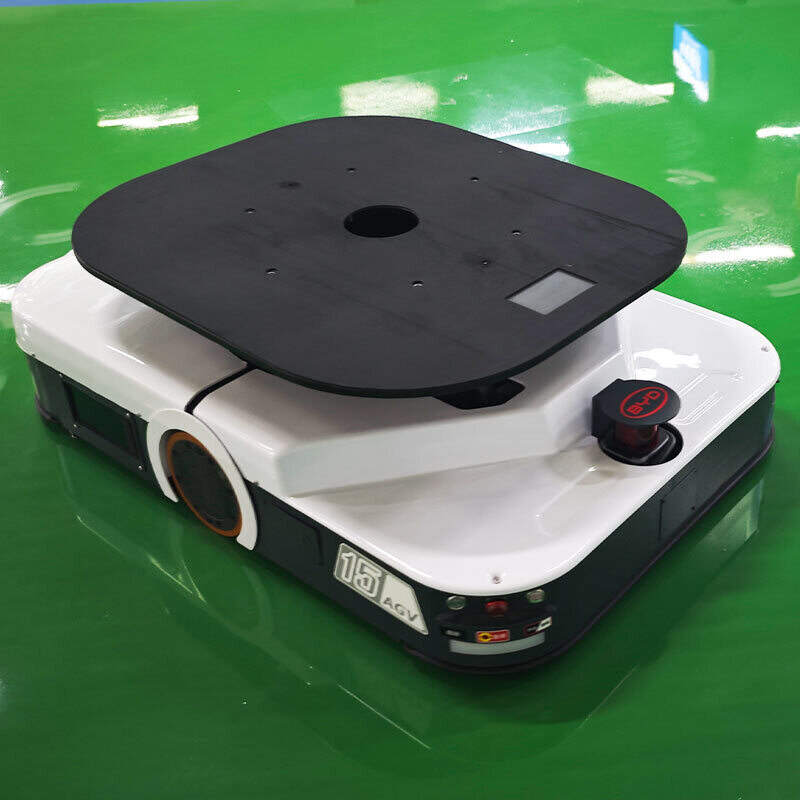
Against the background of low-carbon transformation in modern logistics industry, electric forklifts have become one of the most widely adopted material handling equipment for indoor and enclosed operation scenarios, for their low noise, zero local emission and relatively stable power output features. Proper mastery of usage rules and maintenance methods can help operators make full use of the equipment’s advantages while avoiding unnecessary wear and safety risks.
Core Standard Operating Rules for Daily Use
Before every shift of operation, operators need to complete a full pre-check on key components including brake system, tire condition, load backrest and fork structure, to confirm no obvious damage or abnormal state exists. Operators should strictly follow the marked load capacity limit for each equipment model, avoid overloading the fork with goods beyond the specified weight range, especially when lifting goods to high shelf positions. During operation, it is necessary to pay close attention to surrounding pedestrians, stacked goods and obstacle layouts in the working aisle, keep a safe distance from personnel and other operating equipment, and avoid sudden steering or emergency braking on sloped surfaces.
Routine Maintenance Measures to Protect Long-term Performance
The energy storage component of electric forklift requires targeted regular care, operators should avoid deep over-discharge or over-charging to prolong the overall service life of the component, and keep the electrode connection ports clean and dry to avoid short circuit risks caused by dust accumulation or moisture. Operators can regularly wipe the shell of drive motor and hydraulic system components, check the sealing state of hydraulic pipelines regularly to find minor leakage in early stage, and replace worn parts such as brake pads and steering components according to the recommended maintenance cycle provided by the equipment manufacturer. Do not dismantle internal core power components without professional technical guidance, to avoid unnecessary damage to the equipment structure.
Operational Adjustments to Boost Overall Work Efficiency
Warehouse management teams can optimize the operation route planning for electric forklifts, reduce redundant long-distance empty driving during multiple-shift operation, and arrange proper rotation for standby energy components to avoid waiting time caused by insufficient power in peak operation periods. Operators can adjust driving speed and lifting height flexibly according to the actual operation scenario, match the operation rhythm with the layout of shelves and goods turnover frequency, so as to reduce unnecessary operation consumption. Following the above feasible methods can help equipment maintain stable working state in long-term operation, create better value for warehouse material handling processes under the premise of complying with safety operation specifications.


