
 简体中文
简体中文 Русский
 Français
 Português
 Español
 لالعربية
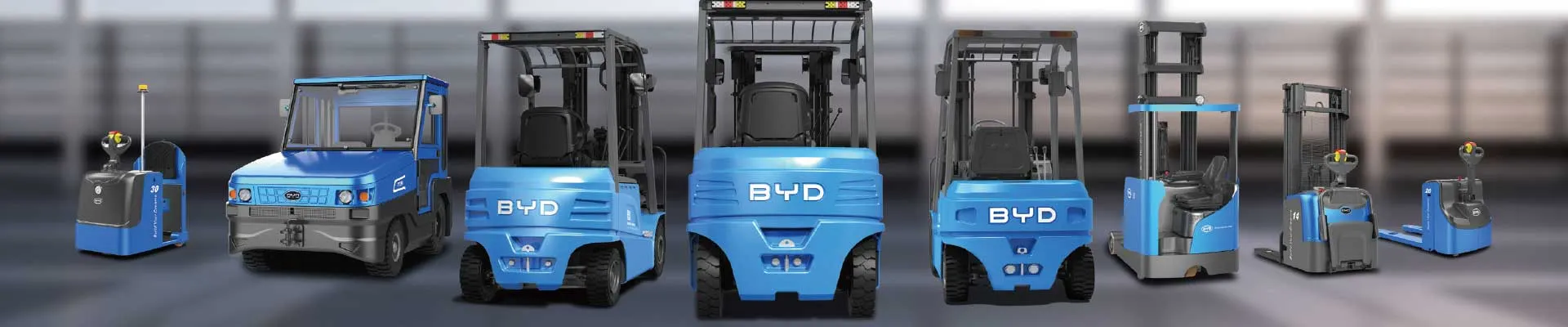
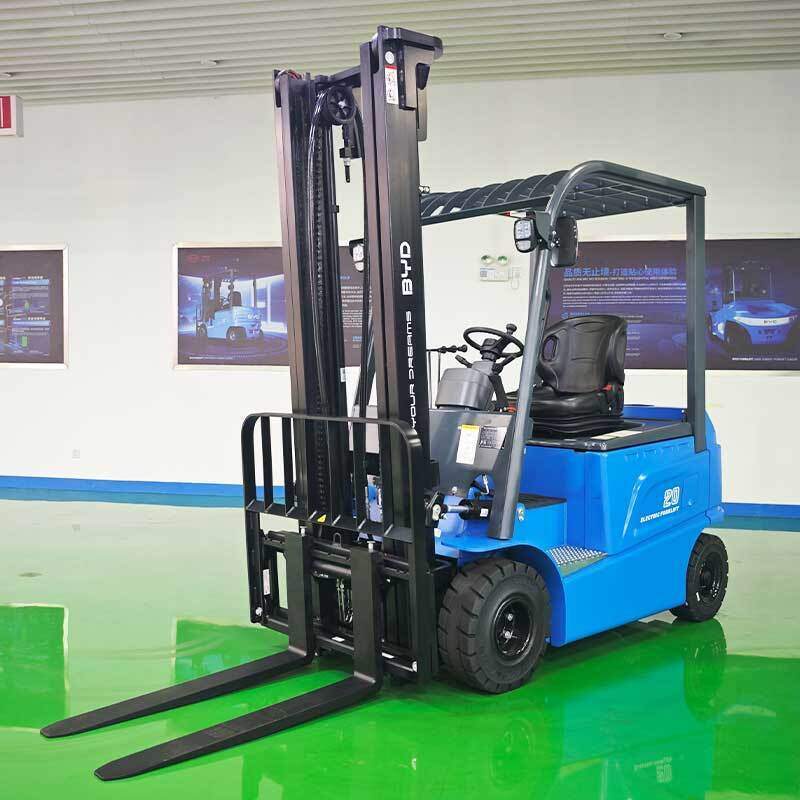
With the continuous development of modern logistics and warehousing industry, electric forklift has become one of the most widely used material handling equipment in indoor and semi-outdoor working scenarios for its low noise, zero local emission and easy operation features. Many frontline operators and facility managers still lack systematic, practical cognition of core application rules of such equipment, which may lead to insufficient use efficiency or extra unnecessary wear of core components.
Key Pre-deployment Reference Indicators
Before putting the equipment into daily use, it is suggested to evaluate its matching degree with actual working scenarios from multiple dimensions. For narrow-aisle high-level storage scenarios, equipment with small turning radius and compact body structure can better adapt to limited operation space. For scenarios with certain slope and outdoor passing demands, users can pay attention to the load capacity of chassis and corresponding protection level of power system, to avoid performance mismatch caused by blind pursuit of excessive high parameters. Reasonable parameter matching can effectively control comprehensive procurement cost while meeting daily production demands.
Standardized Daily Operation Guidelines
All operators need to complete basic professional skill training before independent post operation. Before each startup, it is necessary to complete quick inspection of braking system, remaining power status, lifting smoothness of cargo forks and safety protection accessories. During operation, over-load lifting is not recommended, operators should keep enough observation space around the moving route, slow down in advance when turning, and avoid steering operation on non-horizontal slope sections. Such standardized operation habits can effectively reduce operation safety risks and avoid unnecessary damage to goods and equipment.
Routine Maintenance Suggestions to Extend Service Cycle
In daily maintenance work, operators should avoid over-discharging the power battery to lower than the specified residual power range, and keep the charging area well ventilated in the whole charging process. It is recommended to regularly check the cleanliness of battery connection terminals, the oil level of hydraulic system, and the wear condition of walking wheels, and clean up the sundries accumulated in the heat dissipation gap of the body in time. These low-cost daily maintenance measures can effectively reduce the failure rate of the equipment, and extend the overall service life of the equipment under normal working conditions. Mastering these practical application rules can help give full play to the performance advantages of electric forklift, create higher operation value for different material handling scenarios.


