
 简体中文
简体中文 Русский
 Français
 Português
 Español
 لالعربية
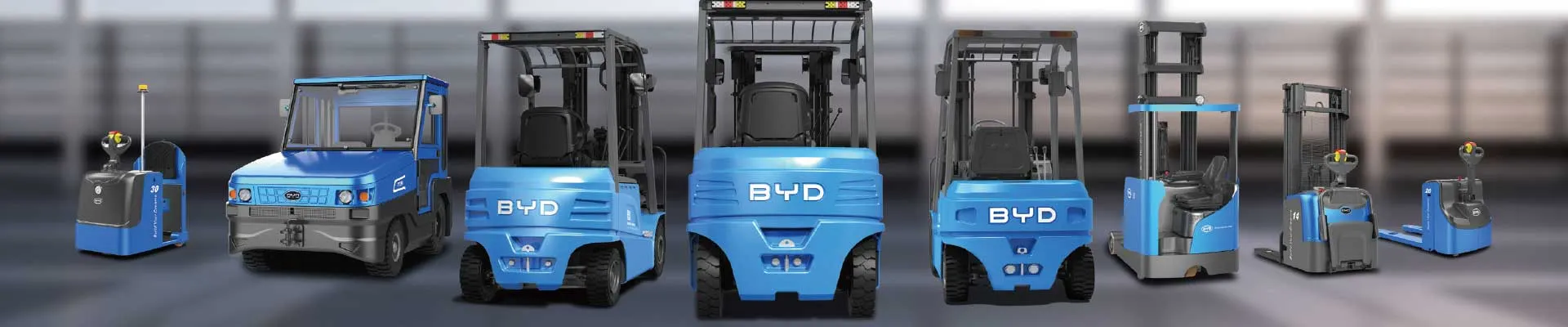
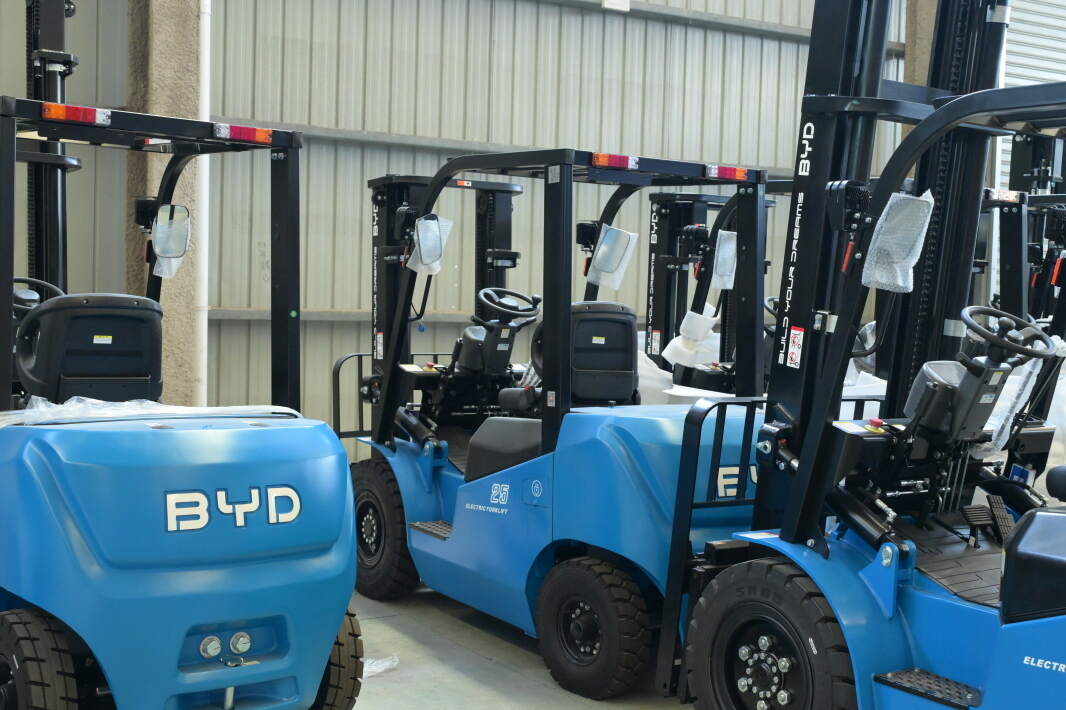
Electric forklifts have become a mainstream choice for indoor and enclosed space material handling in recent years, bringing lower noise emission, zero on-site exhaust and relatively lower long-term operating cost compared with internal combustion counterparts. To maximize the value of this type of equipment, operators and warehouse managers need to grasp systematic practical knowledge from multiple dimensions.
Core Operational Specifications for Daily Use
Before starting the equipment, operators need to complete a pre-shift check covering the power system, brake function, lifting mechanism and tire condition, and confirm no abnormal leakage of the hydraulic oil circuit. During the operation process, keep the load center within the allowable range marked on the equipment nameplate, avoid sharp steering or sudden braking when the fork is loaded with heavy goods, and do not lift personnel by the fork frame to complete high-altitude operations that do not match the equipment design. When the equipment is running in narrow warehouse aisles, operators need to control the driving speed properly, and pay real-time attention to the surrounding obstacles and passing personnel to avoid unnecessary collision risks. After each shift, operators need to park the equipment in the designated safe area, lower the fork to contact the ground completely, and cut off the main power supply before leaving the operation position.
Key Points of Routine Preventive Maintenance
The regular maintenance work of electric forklifts can be divided into daily, weekly and monthly modules according to different use frequency. For the power battery system, operators need to follow the specified charging process, avoid over-discharging the battery to a very low state for a long time, and clean the dust and sundries on the surface of the battery pack regularly to maintain good heat dissipation effect. For the moving parts such as bearings and hinge points of the lifting mast, apply appropriate amount of special lubricant on schedule to reduce wear caused by long-term friction. The aging degree of the control circuit and wiring harness also needs to be inspected regularly, to eliminate potential safety hazards in the initial stage.
Application Scenario Adaptation Tips
When the electric forklift is used in different working scenarios, the relevant supporting measures can be adjusted appropriately according to the actual demand. For cold storage working environments with low temperature and high humidity, taking targeted anti-freezing and moisture-proof measures for the core electrical components can effectively extend the stable working time of the equipment. For long-hour continuous working scenarios in large logistics distribution centers, reasonably arranging the battery replacement or charging gaps between shifts can ensure the smooth progress of the whole handling operation without excessive interruption.


