
 简体中文
简体中文 Русский
 Français
 Português
 Español
 لالعربية
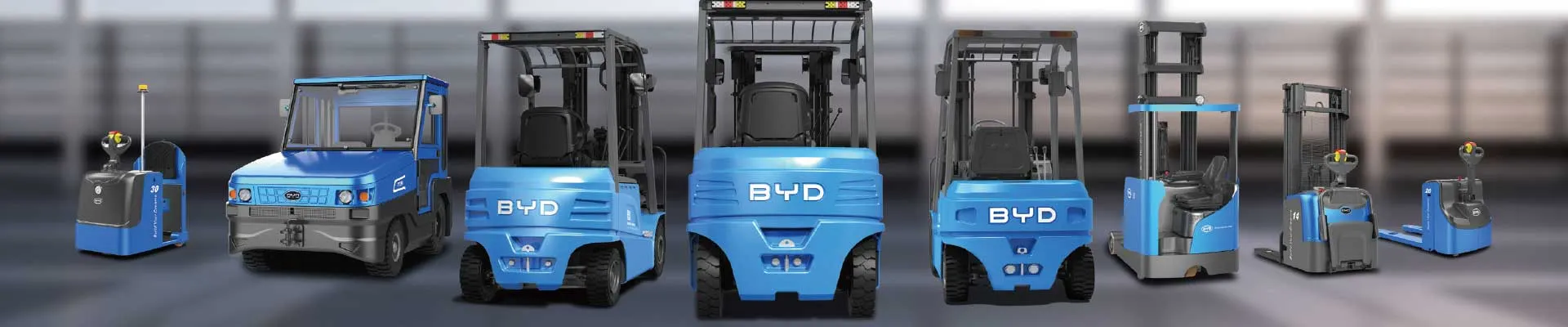
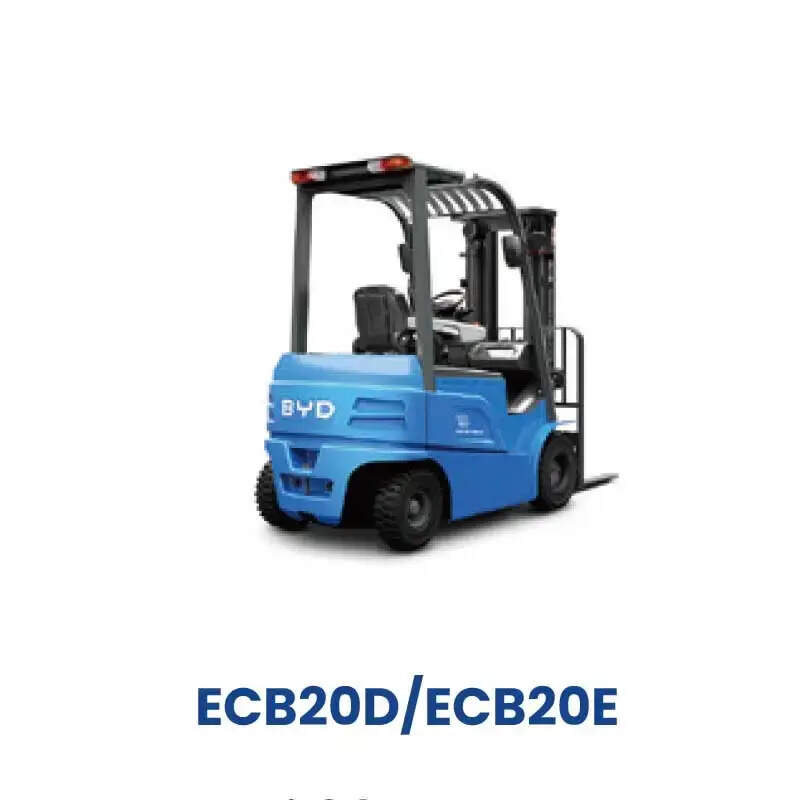
Against the backdrop of rising low-carbon transformation demands across global industrial sectors, electric forklifts have become a mainstream material handling solution for warehouses, manufacturing plants and port distribution scenarios. Many new operators and logistics managers still lack systematic practical knowledge to fully leverage the advantages of such equipment, and avoid unnecessary wear that brings extra operating costs.
Core Safe Operation Specifications for Electric Forklifts
Before each startup, operators need to complete basic checks on remaining battery level, brake sensitivity, and the tightness status of hydraulic lifting components. It is not recommended to carry loads exceeding the rated load mark in daily work, keep full attention to surrounding pedestrian passages and obstacle distribution during driving. When passing sloped areas, keep the load side facing the top of the slope to avoid accidental sliding, cut off the main power supply when leaving the operating position for a long time, to prevent misoperation caused by accidental touch. Avoid frequent sudden acceleration and emergency braking in the process of high-frequency operation, which can reduce extra loss of the power transmission system.
Cost-Effective Daily Maintenance Guidelines
Regularly clean up the dust and sundries accumulated on the equipment surface, especially the debris blocked at the cooling opening of the driving motor, to ensure the normal heat dissipation effect of core components. Check the oxidation trace of the battery pack connection terminals at fixed intervals, follow the standard charging process for energy replenishment, it is not suggested to wait until the power is completely exhausted to start charging, nor to keep the equipment connected to the power supply for too long after the battery is fully charged. Apply lubricant to the hinge of the lifting mechanism and the rotating bearing of the driving wheel on schedule, replace the severely worn tire parts in time, these simple daily operations can effectively extend the overall service life of the equipment, and reduce the probability of unplanned downtime.
Scenario-Matched Performance Adjustment Methods
For large warehouses with high-frequency continuous operation, you can arrange reasonable battery replacement schedules to cut down the waiting time for charging. For outdoor operation scenarios in low temperature environment, take proper thermal insulation measures for the battery pack, to reduce the power output attenuation caused by extreme low temperature. For narrow aisle operation scenarios, you can adjust the corresponding driving speed limit parameters appropriately, to improve the operation accuracy and adapt to the handling demand of compact space. Mastering these general compliant operation methods can help the operation side balance work efficiency and equipment maintenance cost, give full play to the inherent advantages of electric forklifts such as low noise and low operation cost, and adapt to more diverse industrial material handling demands.


