
 简体中文
简体中文 Русский
 Français
 Português
 Español
 لالعربية
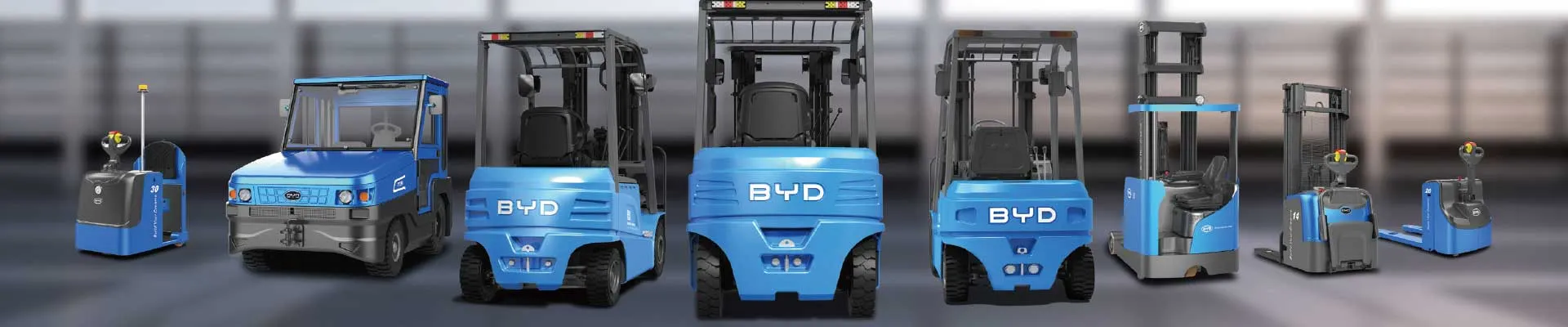
.jpg "Pallet Truck Daily Inspection: A Quick Pre-Shift Checklist(figure1)")
Electric forklifts have gradually become core supporting equipment in modern warehouse and industrial material handling scenarios, for their relatively low noise level, zero local emission and flexible operation characteristics compared with traditional internal combustion counterparts. Many front-line operators and warehouse managers still have confusion about standardized operation, daily care and long-term performance optimization of such equipment, so this guide sorts out practical actionable points for industry practitioners for reference.
Standardized Daily Operation Essentials
When starting an electric forklift, operators need to complete a full pre-use inspection first, including checking the remaining power level of the power unit, the flexibility of lifting and tilting mechanisms, the sensitivity of brake systems, and the intact state of front and rear warning lights. During the operation process, staff should avoid sudden acceleration or sharp turning when carrying heavy loads, keep the load center within the allowable range marked on the equipment nameplate, and do not lift or transport passengers by the lifting arm in violation of operation rules. When the equipment is running on wet or uneven ground, the driving speed should be reduced properly to avoid side slipping or component damage caused by unexpected bumping.
Routine Non-professional Maintenance Tips
Daily maintenance work that does not require professional technical qualification can be completed by on-site operators after receiving systematic formal training. After each shift, staff should wipe the dust and residual goods debris on the vehicle body, clean the sundries accumulated in the heat dissipation ventilation holes, and check the connection status of power interface to avoid poor contact caused by long-term dust deposition. The battery pack should be charged in the designated dry and ventilated area, do not over discharge the power unit to less than 20% of total capacity on a regular basis, which can extend the whole service cycle of the power core to a large extent. It is not recommended to use high-pressure water gun to wash the electrical component area directly, to prevent accidental short circuit and potential safety hazards.
Practical Methods to Boost Operational Efficiency
For regular material handling routes in the fixed warehouse, operators can adjust the corresponding load lifting height in advance according to the common height of storage shelves, which can cut down the redundant action time in repeated operation. Site managers can arrange the charging schedule of electric forklifts properly according to the peak-valley rule of local power price, which can reduce the comprehensive energy cost of unit operation effectively. For different load weight levels, matching the equipment power output mode reasonably can also reduce unnecessary energy consumption, and keep the equipment in a relatively stable working state for a long time.


