
 简体中文
简体中文 Русский
 Français
 Português
 Español
 لالعربية
_zip.jpg "Pallet Stackers Explained: When a Stacker Beats a Pallet Truck(figure1)")
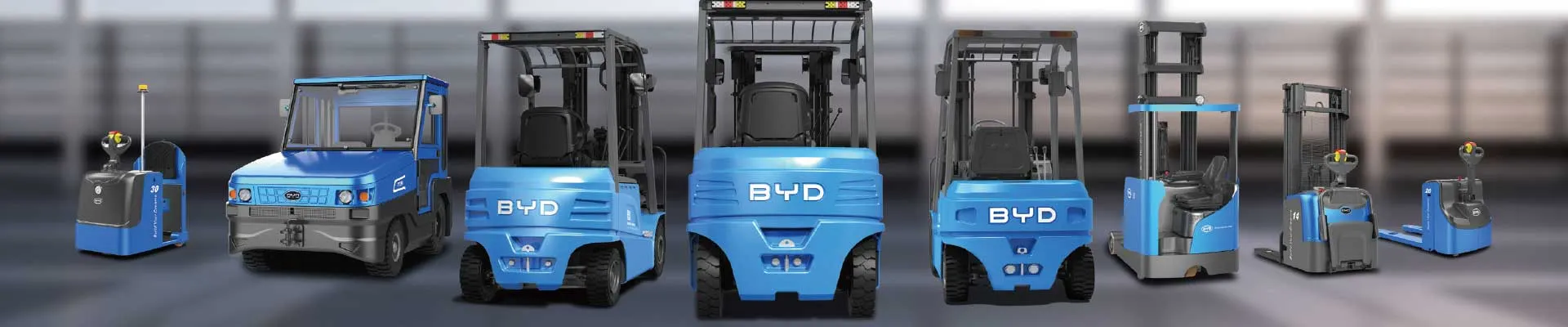
As low-carbon production and logistics development accelerates across the industrial sector, electric forklifts have gradually become one of the most widely used material handling equipment in closed operation scenarios such as warehouses, manufacturing workshops and regional distribution centers. This guide sorts out core practical knowledge related to electric forklifts to help relevant practitioners grasp correct usage logic and avoid common misoperations in daily work.
Core Performance Advantages of Modern Electric Forklifts
Compared with traditional internal combustion handling equipment, electric forklifts rely on battery power systems for power output, which produces no exhaust emission during the whole operation process, and can meet the environmental protection requirements of closed indoor working scenarios. The overall noise level during operation is also controlled at a relatively low range, which will not cause continuous noise interference to surrounding working personnel and stored precision goods. Its power output curve is smoother, and the control sensitivity of low-speed driving and cargo stacking is more suitable for frequent short-distance handling operations within limited working space, matching most conventional light and medium load handling demands in modern logistics scenarios.
Standardized Daily Operation Specifications
Before each start-up operation, operators need to check the remaining power level of the power system, the flexibility of the steering and braking structure, and the integrity of the load-bearing fork arm first, and carry out trial run at a low speed within the idle area before formal loading operation. During the operation, the load weight should be kept within the rated load range of the equipment, avoid sudden acceleration and sudden braking action in the narrow channel, and keep the load gantry tilted back properly to ensure the stability of the goods in the process of moving. Operators need to receive professional operation training before taking up the post, and it is not allowed to drive the equipment when physical condition is not suitable for high concentration work.
Routine Maintenance Points for Long Stable Service Life
Daily maintenance work can effectively extend the stable service cycle of electric forklifts, and the key focus falls on the regular maintenance of the power battery module and the transmission structure. After the daily operation is completed, the power should be replenished in accordance with the specified operation process, avoid long-term full power storage or long-term power loss state, and regularly clean the dust and sundries accumulated in the heat dissipation gap of the motor and electrical control elements. The lubrication status of the transmission and rotating connection parts should be checked at regular intervals, and the worn structural parts should be replaced in time according to the actual wear degree, so as to reduce the hidden safety risks caused by long-term component aging.


