
 简体中文
简体中文 Русский
 Français
 Português
 Español
 لالعربية
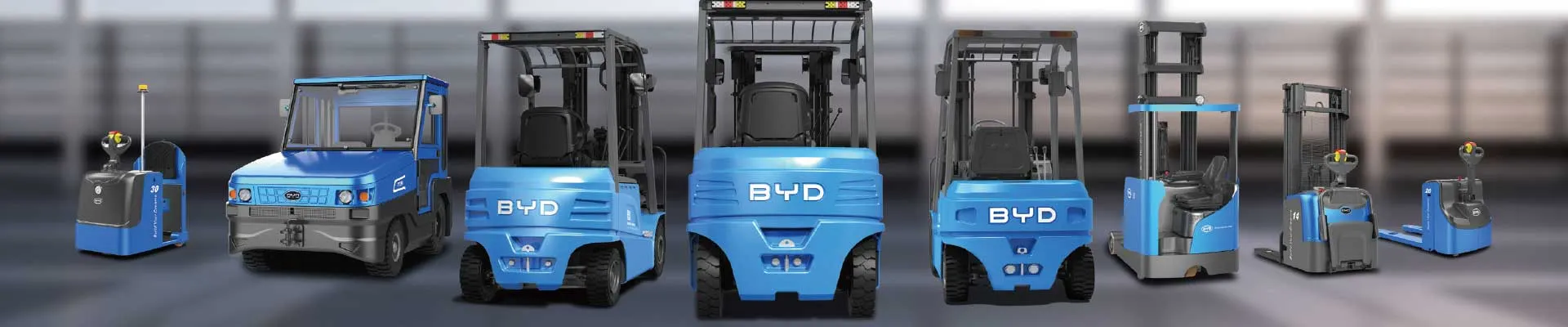
.jpg "Lithium-ion forklift deployment notes for facilities undergoing gradual-warehouse-automation-transformation(figure1)")
First of all, conduct a full-site operation status assessment before introducing lithium-ion forklift fleets. For facilities in the gradual warehouse automation transformation stage, different functional zones may operate at varying levels of intelligence, with some zones still relying on manual material handling and others using partial automated sorting or conveyor systems. Teams should map out all existing operation routes, load weight ranges, working hour demands, and overlapping paths between manual operating equipment and automated facilities, to make sure the performance parameters of deployed lithium-ion forklifts match the actual site demands, avoiding mismatches between equipment capacity and real operation needs.
Secondly, establish a phased personnel training and operation rule adjustment system. Unlike traditional lead-acid forklifts, lithium-ion forklifts have different charging requirements, operation prompt mechanisms and maintenance specifications. During the warehouse automation transition period, new operation rules should be promoted gradually, instead of requiring full shift of operation habits at one time. Arrange targeted training sessions for frontline operators, warehouse management staff and maintenance personnel respectively, to help all related personnel get familiar with the new equipment’s operation logic, and clarify the operation boundary between manually operated lithium-ion forklifts and existing automated equipment to avoid unnecessary operation conflicts.
Thirdly, carry out supporting infrastructure upgrade in sync with the original automation transformation plan. There is no need to replace the whole charging area or re-layout the entire power supply system at the very beginning. Teams can arrange dedicated charging stations at idle zones that do not block existing material flow paths, and expand the charging scale synchronously when the subsequent automation transformation process expands the operation area. It is also recommended to connect the basic operation data of lithium-ion forklifts with the existing warehouse management system that is running for the current semi-automated stage, to realize real-time tracking of equipment status, and lay a good data foundation for the later full automation upgrade.
Finally, build a dynamic safety management mechanism adapting to the mixed operation scenario. For the mixed operation scene of manual lithium-ion forklifts, automated guided vehicles and manual handling tools in the transition period, regular site patrols and hidden hazard checks should be carried out, focusing on the safety distance between moving equipment and the nearby automated facilities, as well as the standardized charging management of lithium-ion power units. This arrangement can effectively reduce the operation risk of the transition period, and help the facility realize smooth, steady efficiency improvement without interrupting the normal daily material handling work.


