
 简体中文
简体中文 Русский
 Français
 Português
 Español
 لالعربية
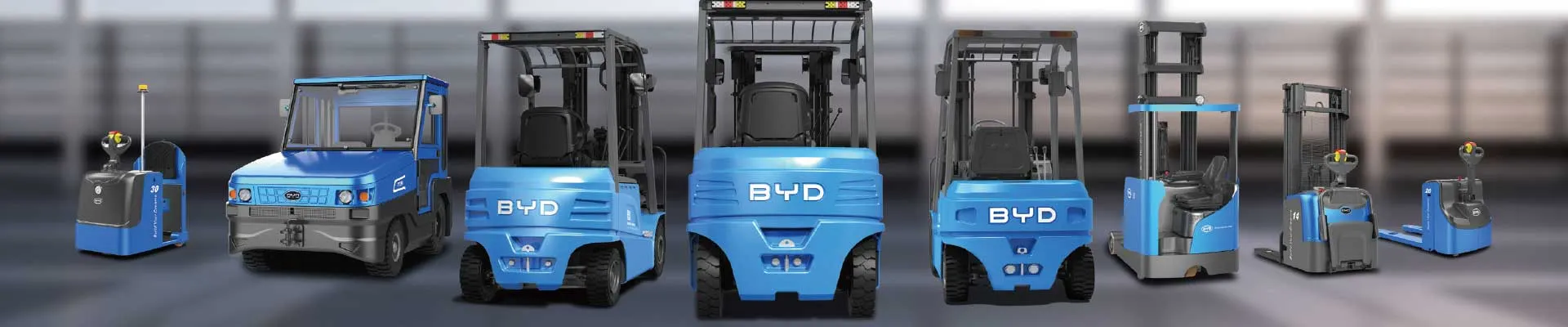
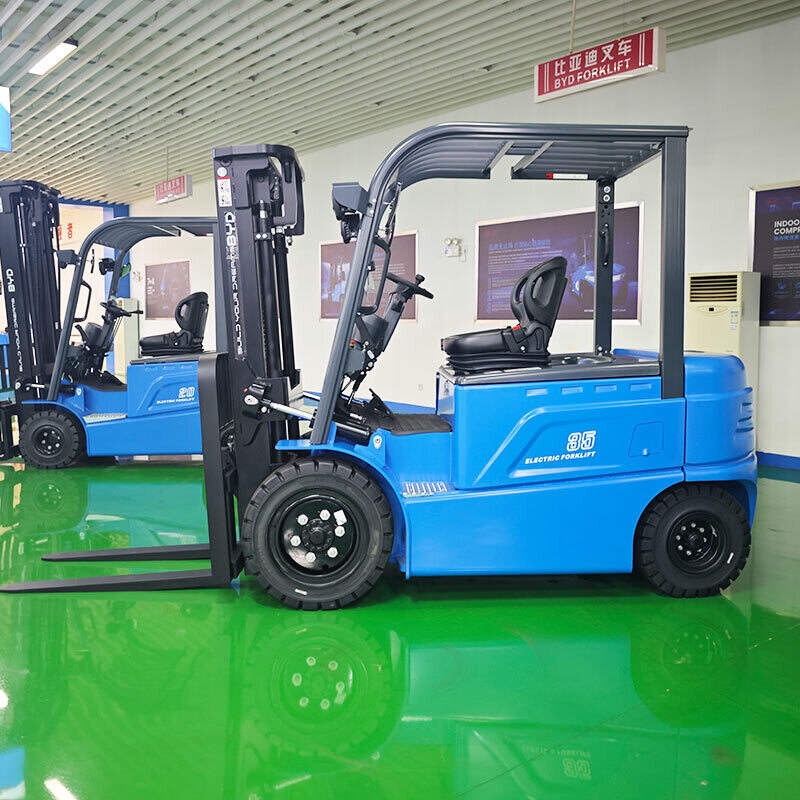
As the logistics and warehousing industry continues to pursue low-carbon and high-efficiency operation modes, electric forklifts have become one of the most widely used material handling equipment in indoor operation scenarios. Many frontline operators and warehouse managers hope to grasp more practical professional knowledge to give full play to the advantages of such equipment, reduce unnecessary operation risks and control overall use costs.
Basic Safety Operation Guidelines for Electric Forklifts
Before starting each shift, operators need to conduct a quick inspection of key components, including the brake system, steering mechanism, tire condition and power display, to confirm no hidden risks exist before formal operation. During the moving process, operators need to keep a proper observation angle, avoid sudden acceleration or sharp turning, and keep a safe distance with surrounding facilities and personnel. When carrying loads, the center of gravity of the goods should be kept within the allowable range marked on the equipment parameter plate, and overloading is not allowed to prevent the risk of rollover or goods falling. For operation in narrow aisle scenarios, operators need to cooperate with surrounding on-site guiding personnel when necessary to avoid collision with shelf structures.
Routine Daily Maintenance Suggestions
Good daily maintenance habits can effectively reduce the failure rate of electric forklifts and extend the stable operation cycle of core components. The power battery module is the core maintenance object, operators need to follow the specified charging process, avoid over-discharging the battery to a too low power level for a long time, and keep the surface of the battery compartment clean and dry to prevent liquid corrosion. After each shift, operators need to clean the dust and debris accumulated on the surface of the equipment, check the wear degree of the fork arm and the lifting chain, and add proper amount of lubricating oil to the movable connection parts on a regular basis. It is recommended to arrange professional technical personnel to conduct a full in-depth inspection of the whole machine every 3 to 6 months, to find potential hidden faults in time and handle them before they cause impact to normal production operations.
Scenario-based Performance Optimization Tips
For different operation scenarios, users can adjust the use mode of electric forklifts properly to get better use effect. For long-time continuous operation scenarios with high cargo handling density, users can arrange reasonable shift handover and charging scheduling to avoid interruption of operation flow caused by sudden power shortage. For low temperature operation environments, users can preheat the power system properly before starting formal operation, to reduce the load pressure of the power module. When the equipment is not in use for a long time, users need to store it in a dry and ventilated place, and charge the battery at a regular interval to keep the activity of the battery module. The systematic grasp of the above operation and maintenance knowledge can help relevant personnel make better use of electric forklift products, bring more stable and efficient output for daily material handling work.


