
 简体中文
简体中文 Русский
 Français
 Português
 Español
 لالعربية
.jpg "How to build a forklift maintenance history database for warehouse fleets(figure1)")
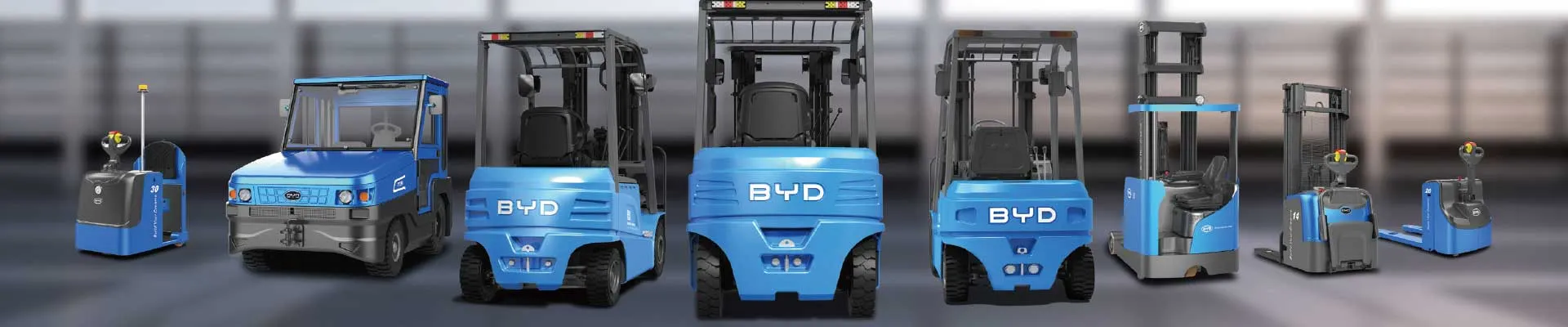
As low-carbon logistics and lean warehouse management continue to develop, electric forklifts have become one of the most widely used material handling equipment in indoor storage, manufacturing workshops and distribution centers in recent years. Unlike internal combustion counterparts, electric forklifts run on battery power, produce zero exhaust emissions during operation, and generate relatively low working noise, which can better adapt to enclosed working environments that have strict requirements for air quality.
Basic Operation Specifications for Electric Forklift Daily Use
Before starting each shift, operators should conduct a full pre-inspection of key components including the brake system, steering mechanism, lifting forks and battery power level, to rule out hidden safety hazards in advance. During the operation process, operators should avoid sudden acceleration or sharp turns when carrying loads, keep the load center within the allowable range marked by the equipment, and do not attempt to carry overweight goods that exceed the rated load capacity. When the vehicle is running, the lifting mast should be kept tilted back properly, and the fork height from the ground should be maintained at 10 to 20 centimeters to prevent the goods from falling accidentally. After the operation is completed, the forklift should be parked in the designated area, the fork should be lowered to contact the ground, the power supply should be cut off, and the hand brake should be tightened.
Routine Maintenance Practices to Extend Equipment Service Life
Regular maintenance work can effectively reduce the failure rate of electric forklifts, and avoid unexpected shutdown losses that affect the progress of warehouse operations. For the power battery module, operators should follow the correct charging procedures specified in the product manual, avoid over-discharging the battery to less than 20% of the remaining power on a regular basis, and keep the surface of the battery pack clean and dry to prevent short circuit caused by liquid leakage. The walking motor and hydraulic lifting system should be inspected periodically for abnormal wear or oil leakage, and the lubricating points of the transmission mechanism should be supplemented with special lubricating grease on schedule to ensure the flexible operation of all movable parts. It is also recommended to arrange professional technical personnel to conduct a comprehensive systematic inspection of the whole equipment every certain period, to discover potential minor faults in time and handle them before they expand.
Efficient Application Skills to Improve Warehouse Operation Output
To give full play to the performance advantages of electric forklifts, enterprises can make targeted adjustment to their internal material handling workflow according to their actual operation scale. For high-frequency storage and retrieval scenarios in small and medium-sized warehouses, reasonably planning the driving route of electric forklifts can reduce unnecessary back-and-forth driving distance, and effectively improve the turnover efficiency of goods. In addition, by arranging the shift schedule of operators and charging plan of equipment scientifically, enterprises can avoid the situation that all forklifts run out of power at the same time during the peak operation period, which can ensure the continuous and stable operation of the whole logistics link.


