
 简体中文
简体中文 Русский
 Français
 Português
 Español
 لالعربية
.jpg "How floor surface conditions influence electric pallet jack working efficiency(figure1)")
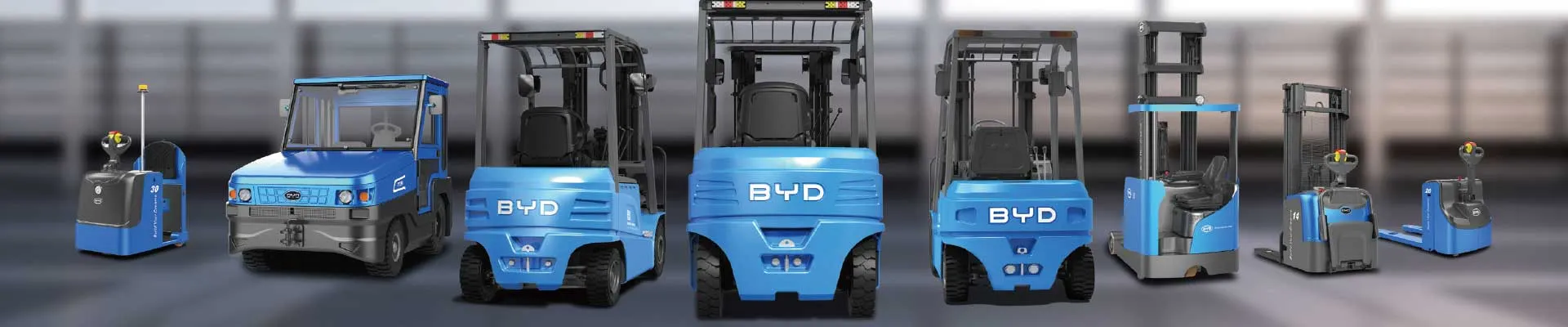
As low-carbon logistics becomes the mainstream trend in industrial operations, electric forklifts have gradually become the widely adopted material handling equipment for most warehouse and manufacturing sites, replacing a large share of traditional internal combustion models. This guide sorts out practical, industry-recognized knowledge points related to electric forklift use, maintenance and scenario matching to help operators and enterprise managers grasp core operation points.
Core Performance Advantages of Modern Electric Forklifts
Compared with fuel-powered counterparts, electric forklifts rely on battery packs as power sources, which produce no exhaust emissions during working processes, and generate far lower noise levels that fit the requirements of enclosed indoor workspaces such as food storage, pharmaceutical warehouses and clean production workshops. Most current models adopt adjustable power output modes, which can balance load capacity and energy consumption according to actual working intensity, avoiding unnecessary energy waste during low-load operation. The smooth power output also reduces vibration during cargo lifting and moving, lowering the risk of damage to fragile transported goods.
Standard Daily Operation Specifications
Before starting any shift, operators need to conduct a basic pre-use check, including inspecting the remaining power level of the battery, the flexibility of the lifting mechanism, the sensitivity of the braking system, and the integrity of the safety warning light group. It is not recommended to operate the equipment with overload cargo beyond the rated load range, which may cause extra wear to the hydraulic system and potential tilt risk. When working in narrow aisle areas, operators need to control the driving speed below the safe threshold, and pay close attention to surrounding personnel and obstacles to avoid collision accidents. After finishing the daily operation, operators should park the equipment in the designated area, lower the fork to a horizontal position close to the ground, and cut off the main power supply.
Targeted Maintenance Tips for Extended Service Life
Regular maintenance work can effectively reduce the failure rate of electric forklifts and prolong their overall service cycle. Operators should arrange professional personnel to complete routine inspection of battery cells and connection terminals every certain working hour, to avoid corrosion or loose contact caused by long-term use. The dust and debris accumulated on the motor heat dissipation surface should be cleaned on a regular basis to ensure stable heat dissipation performance during high-intensity continuous operation. It is also advised to store the equipment in a dry, ventilated area when not in use for a long period, to prevent moisture erosion of internal electronic components.
Scenario-based Selection Principles for Different Usage Needs
When choosing suitable electric forklift models, enterprises can make decisions according to their actual operation scenarios. For sites with high daily working intensity of more than 8 hours, models with large battery capacity and fast charging function can be considered to support continuous operation. For narrow warehouse aisles with limited space, compact body models with smaller turning radius can improve the overall space utilization rate of the storage area.


