
 简体中文
简体中文 Русский
 Français
 Português
 Español
 لالعربية
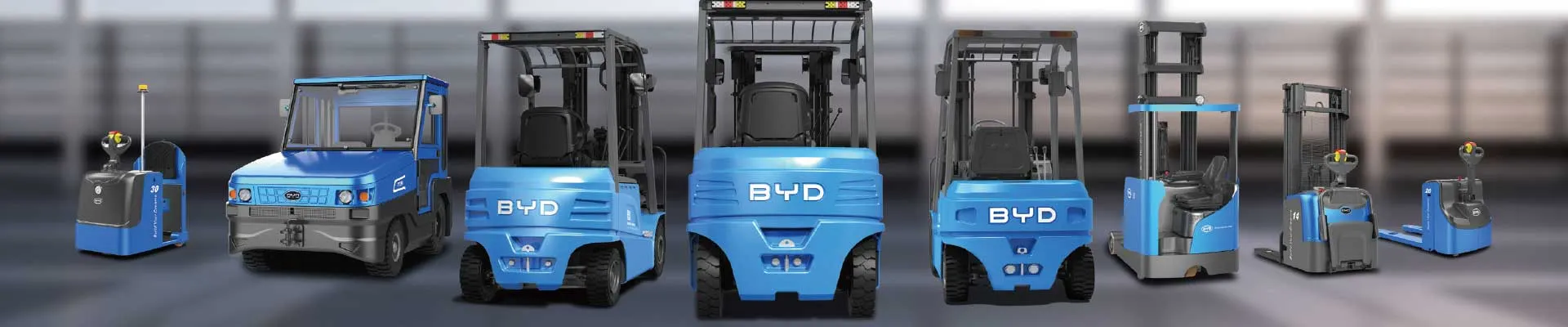
.jpg "Forklift Wear Parts: What Wears Out First and When to Replace(figure1)")
With the continuous development of modern logistics industry, electric forklifts have become one of the most widely used material handling equipment in closed warehouse scenarios. Mastering systematic professional knowledge of this type of equipment can help operation teams reduce unnecessary operation cost, lower safety risks and improve overall workflow efficiency.
Core Advantages of Electric Forklifts for Daily Warehousing Applications
Different from traditional fuel-powered industrial handling equipment, electric forklifts produce no local exhaust emission during operation, which fits the environmental requirements of enclosed warehouse spaces that need long-time ventilation control. Their running noise stays at a relatively low level, which will not cause disturbance to on-site staff who need to communicate frequently during peak work hours. The smooth power output also reduces sharp vibration during operation, which can lower the risk of damage to fragile high-value goods being handled. The operating energy cost remains relatively stable, and will not be affected by frequent fluctuations of traditional fuel market prices in long term usage.
Standard Operation Specifications to Avoid Unnecessary Equipment Wear
All on-site operators need to complete formal skill training before they get access to use the equipment. Before each shift of operation, staff need to walk around the whole vehicle to check tire condition, brake sensitivity and remaining power level to confirm no hidden risks exist. During operation, staff should strictly follow the load capacity limit, slow down in advance when turning, and keep full attention to surrounding pedestrians and stacked goods when passing through narrow warehouse aisles. When traveling for a long distance, keep the cargo fork at a low and stable height instead of lifting it to an excessive position, to avoid potential risk of cargo falling or vehicle tilting.
Practical Routine Maintenance Tips to Prolong Equipment Service Life
After finishing daily operation, staff need to wipe off the dust and debris attached to the vehicle body, especially keep the battery heat dissipation area free from accumulated sundries to guarantee stable working performance. Operators should follow official charging guidelines, and avoid running the equipment until the power is fully exhausted before charging. Regular inspection on the tightness of power connection lines, and periodic calibration for hydraulic and steering systems can help find tiny abnormal signs at the early stage, and prevent small issues from developing into major faults that interrupt normal production workflow.


