
 简体中文
简体中文 Русский
 Français
 Português
 Español
 لالعربية
.jpg "Forklift Use and the Matters Needing Attention: A Daily Guide(figure1)")
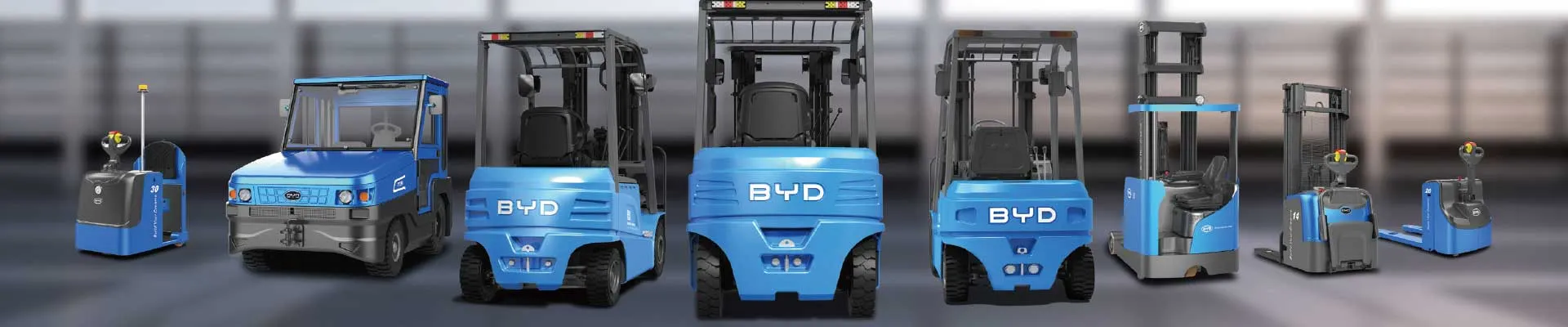
With the continuous promotion of low-carbon logistics concepts across different industrial sectors, electric forklifts have become one of the most widely used material handling equipment in warehouses, manufacturing workshops and distribution centers in recent years. As a veteran expert with years of experience in this sector, we sort out practical, easy-to-follow knowledge points for practitioners to reference, to help optimize the use effect of related equipment.
Core Advantages of Electric Forklifts in Modern Logistics Scenarios
Compared with traditional internal combustion handling equipment, electric forklifts operate with relatively low noise level and zero on-site exhaust emission, which can effectively improve the working environment quality for on-site staff, and meet the increasingly strict environmental protection access standards of many indoor operation scenarios. Most of the electric models are designed with simplified transmission structures, which bring relatively lower daily energy consumption cost than fuel-powered counterparts, and can adapt to the long-time continuous operation needs of most medium and low-intensity handling tasks.
Standard Operation Specifications for Daily Electric Forklift Use
Before starting each shift, operators need to conduct a full check of the braking system, lifting mechanism, tire condition and remaining battery power of the equipment, to rule out potential hidden risks in advance. During operation, operators should avoid sharp steering, sudden braking or overloading the cargo beyond the rated load capacity, and keep proper safety distance with surrounding staff, shelves and other facilities in the working area. When the equipment is not in use, operators should park the vehicle at the designated position, lower the lifting fork to the ground, and cut off the main power supply of the whole equipment properly.
Routine Maintenance Tips to Extend Electric Forklift Service Life
The battery pack, as the core power component of electric forklifts, needs regular inspection of the electrode joint tightness and the surface cleanliness of the shell, to avoid abnormal power consumption caused by dust accumulation or loose connection. Operators should follow the official guidance to complete the full charging cycle properly, avoid long-term over-discharge or overcharge of the battery, and store the equipment in a dry, ventilated space when it is not used for a long period. Regular lubrication of the moving parts of the lifting mechanism, and regular calibration of the braking sensitivity, can effectively reduce the failure rate of the equipment in long-term operation.
Applicable Scenario Matching Principles for Electric Forklifts
When selecting suitable electric forklift models, users need to combine the actual height of shelves in the working scene, the average weight of daily handled cargo, the width of operation channels and the gradient of access roads, to pick the equipment with matching load capacity, lifting height and body size. For high-intensity 24-hour continuous operation scenarios, users can configure matching backup battery packs to realize fast power swap, so as to meet the continuous operation demand without long downtime. These practical operation and maintenance points can help relevant personnel give full play to the performance of electric forklifts, and create higher value for the whole material handling process.


