
 简体中文
简体中文 Русский
 Français
 Português
 Español
 لالعربية
.jpg "Forklift Maintenance Scheduling Software: What to Look For(figure1)")
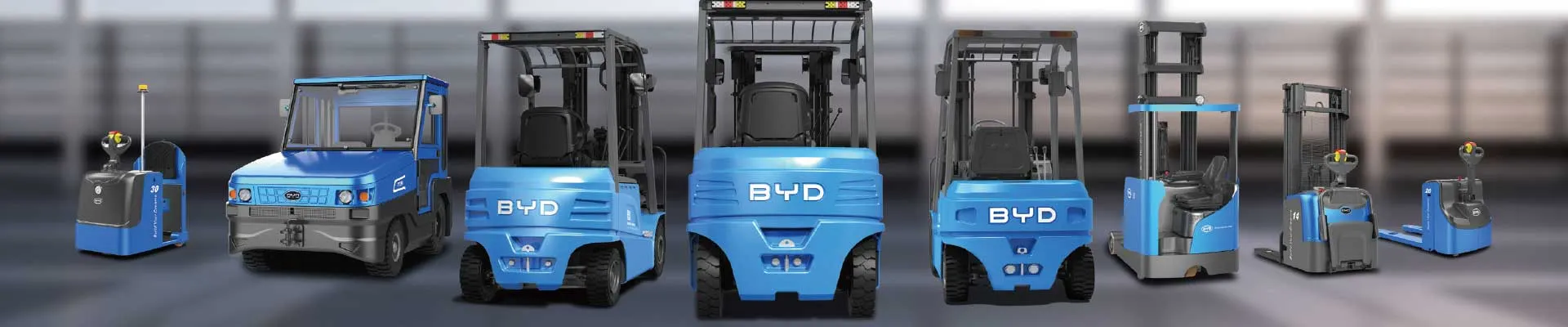
As core material handling equipment for modern logistics and warehousing sectors, electric forklifts have gained wide popularity across different industrial scenarios in recent years. Proper mastery of relevant operation and maintenance knowledge can help enterprises give full play to the equipment’s value, avoid unnecessary faults and reduce long-term operation cost.
Core Performance Characteristics of Electric Forklifts
Different from traditional internal combustion handling equipment, electric forklifts rely on electric power as the only driving source, which produces no local exhaust emission during operation. The overall working noise level is relatively low, which can meet the environmental protection requirements of closed indoor spaces such as food storage workshops, pharmaceutical warehouses and commercial distribution centers. The power output adjustment of electric forklifts is smoother, and the transmission structure is simpler, so the operation shock during acceleration and steering is smaller, which can effectively reduce the risk of damage to fragile goods in handling process.
Standard Daily Operation Specifications
Before starting the equipment, operators need to check the remaining power level, brake sensitivity, hydraulic lifting system status and tire surface condition first, and confirm no abnormal hidden trouble before formal operation. During the working process, operators should strictly follow the rated load limit of the equipment, avoid overloading operation for a long time, and keep stable driving speed on wet, slippery or uneven road surfaces to prevent sideslip or rollover risk. For narrow channel operation, operators need to reserve enough safety distance between the body and shelves or surrounding obstacles to avoid scratch or collision.
Routine Maintenance Suggestions for Longer Service Life
Regular daily maintenance can effectively reduce the failure rate of electric forklifts. Users should regularly clean the dust and sundries accumulated on the surface of the equipment and inside the power compartment, check the tightness of the power connection points, and avoid poor contact caused by loose wiring. For the power system, users should avoid long-term over-discharge, and keep the power level in a reasonable range if the equipment needs to be stored for more than two weeks. Lubricate the hinge points of the gearing and lifting parts on schedule to reduce wear of mechanical parts. Enterprises can select electric forklifts with corresponding parameters according to actual operation scenarios, to maximize the matching degree between equipment performance and actual work demands.


