
 简体中文
简体中文 Русский
 Français
 Português
 Español
 لالعربية
.jpg "Forklift Downtime Tracking: Finding the Cost of Every Hour(figure1)")
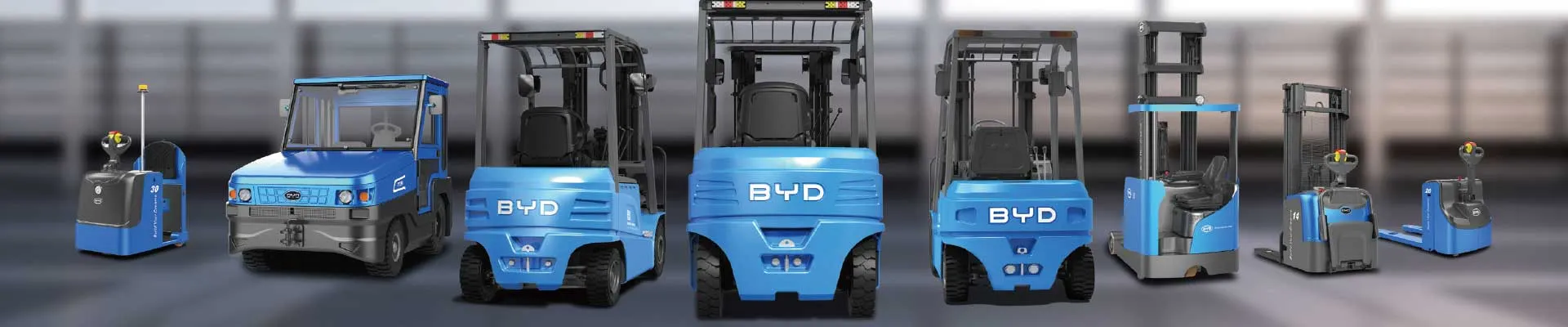
As low-carbon logistics development becomes the mainstream trend in the material handling sector, electric forklifts have gradually become a preferred equipment choice for most warehouse, manufacturing and port operation scenarios. Many operators and facility managers seek practical, actionable knowledge to maximize the value of this equipment without unnecessary extra cost or safety risk.
Core Functional Advantages of Electric Forklifts
Different from traditional internal combustion counterparts, modern electric forklifts produce no on-site exhaust emission and keep low working noise level during operation, which makes them more suitable for enclosed indoor working scenarios. Their smooth output power and light operation force can effectively reduce the fatigue level of operators after long shifts, and the energy consumption per hour of operation is generally lower than that of fuel-powered equipment, so the comprehensive operation cost in the whole service cycle can be controlled at a relatively reasonable level.
Standardized Operation Specifications for Daily Use
All operators need to complete corresponding basic skill training before officially using the equipment. Before each shift, operators should conduct a pre-operation check on the braking system, power display state and flexibility of the lifting mechanism, and confirm there is no obvious abnormal sign before formal operation. Operators should clear up obstacles in the operating area in advance, and avoid overloading or carrying extra people on the equipment during working process. They need to slow down in advance when turning, keep the fork at low position when driving on ramps, and do not turn or park randomly on sloped surfaces. It is recommended to conduct a simple state check every two hours during long continuous operation, which can prevent small hidden troubles from evolving into major faults.
Daily Maintenance and Care Tips
Operators should wipe off dust and material residues on the equipment surface in time after each shift, and regularly check the connection terminals of the battery pack to keep the terminals dry and free of oxide. When the equipment is not used for a long time, it is necessary to keep the battery at a reasonable power level and carry out supplementary charging regularly, and never store the equipment under long-term power deficit. For the hydraulic system, staff should check the liquid level and cleanliness of hydraulic oil periodically, replace the hydraulic oil of corresponding model according to the guidance of operation manual, and do not mix lubricating grease of different specifications at will, so as to avoid accelerating the wear of moving parts.
Scenario Adaptation Optimization Suggestions
For special working scenarios with high humidity or heavy dust, operators can install additional protective covers for relevant electrical components to reduce the adverse impact of harsh environment on the equipment. In the daily work scheduling, managers can arrange the charging plan of different shifts reasonably to avoid centralized occupation of charging facilities that may disrupt normal operation rhythm. It is also feasible to count the running time and fault records of equipment regularly, sum up the usage rules suitable for the local scenario, so as to further improve the overall operation efficiency.


