
 简体中文
简体中文 Русский
 Français
 Português
 Español
 لالعربية
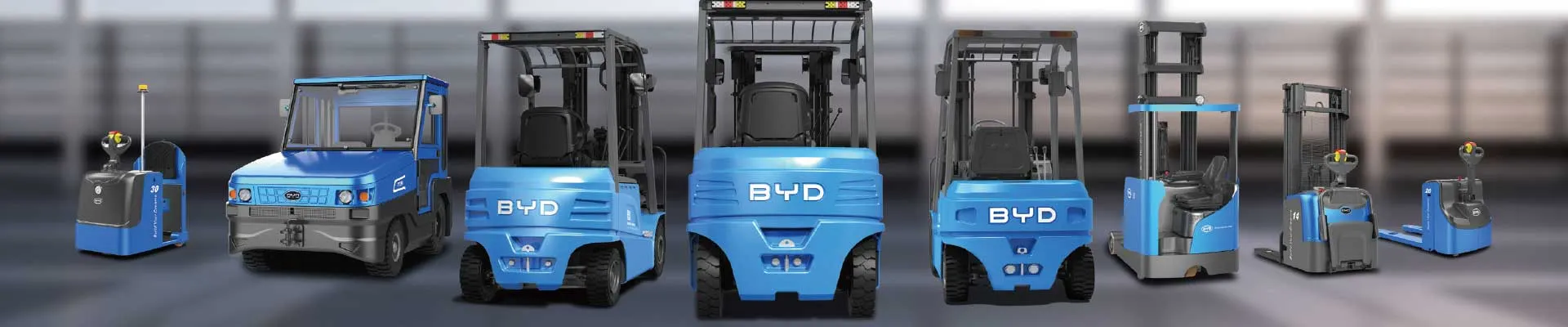
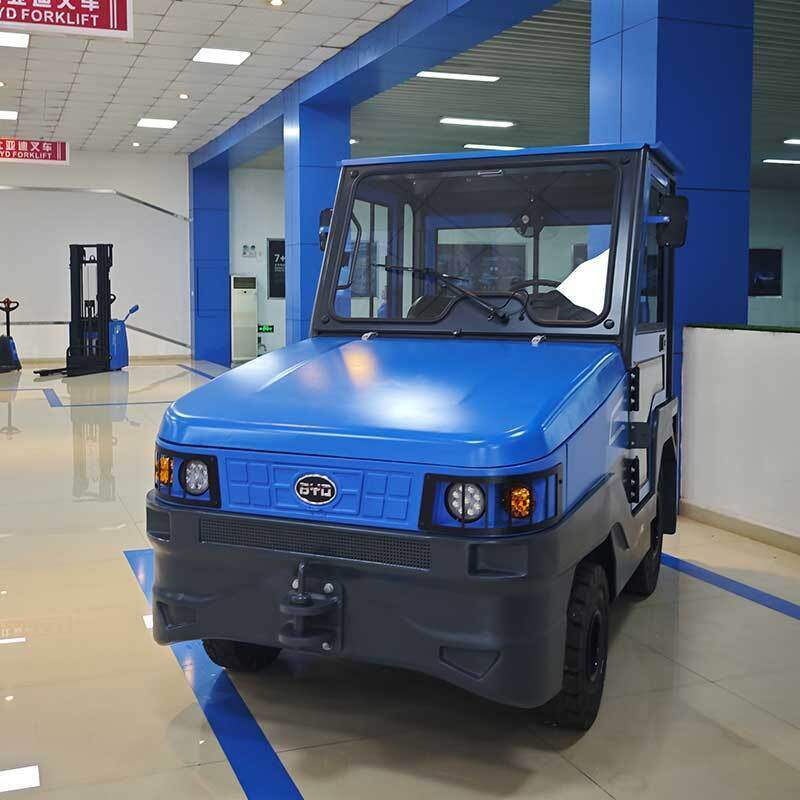
Against the backdrop of growing demand for low-carbon industrial operations, electric forklifts have become one of the most widely used material handling equipment in various industrial scenarios in recent years. As a field expert with years of experience in this sector, we sort out systematic practical knowledge to help users grasp core points of usage correctly.
Core Performance Features of Electric Forklifts
Different from traditional internal combustion handling equipment, electric forklifts rely on electric power drive systems to complete all walking, lifting and steering actions, which produce far less noise and zero exhaust emission during normal operation. Such features make them suitable for indoor enclosed working environments that have strict requirements for air quality and operation noise, avoiding the hidden troubles caused by long-term exhaust accumulation in limited space. The overall structure of electric forklifts is relatively compact, which can adapt to narrow channel layouts of most modern warehouses to improve space utilization.
Standardized Operation Specifications for Daily Use
Before each start-up, operators need to check the remaining power level, brake sensitivity, lifting hydraulic system status and tire surface condition first, to rule out potential hidden faults in advance. During the operation process, operators need to keep the load weight within the rated load range, avoid sharp turning or sudden braking actions when the forks carry lifted goods, and do not allow personnel to stand or walk under the lifting forks for safety concerns. After completing daily operation tasks, operators should park the equipment in the designated parking area, lower the forks to a horizontal position close to the ground, and cut off the main power supply to avoid unnecessary power consumption.
Routine Maintenance Suggestions
Daily maintenance work does not require too much professional technical threshold, and most of the work can be completed by on-site operation personnel after simple training. Users need to regularly clean the dust and sundries accumulated on the surface of the power battery and drive motor, check the cable connection status to avoid poor contact caused by long-term vibration. The lubrication points of the steering system and lifting transmission structure should be supplemented with professional lubricating grease according to the specified cycle, to reduce component wear caused by long-term friction. Users can arrange professional personnel to conduct regular overall inspection at fixed intervals, to replace worn parts in time and extend the service cycle of the equipment.


