
 简体中文
简体中文 Русский
 Français
 Português
 Español
 لالعربية
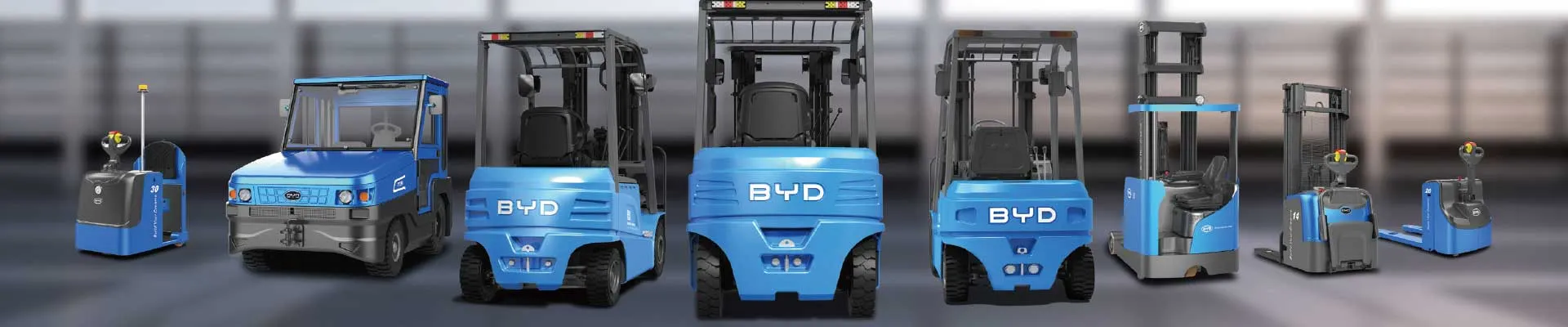
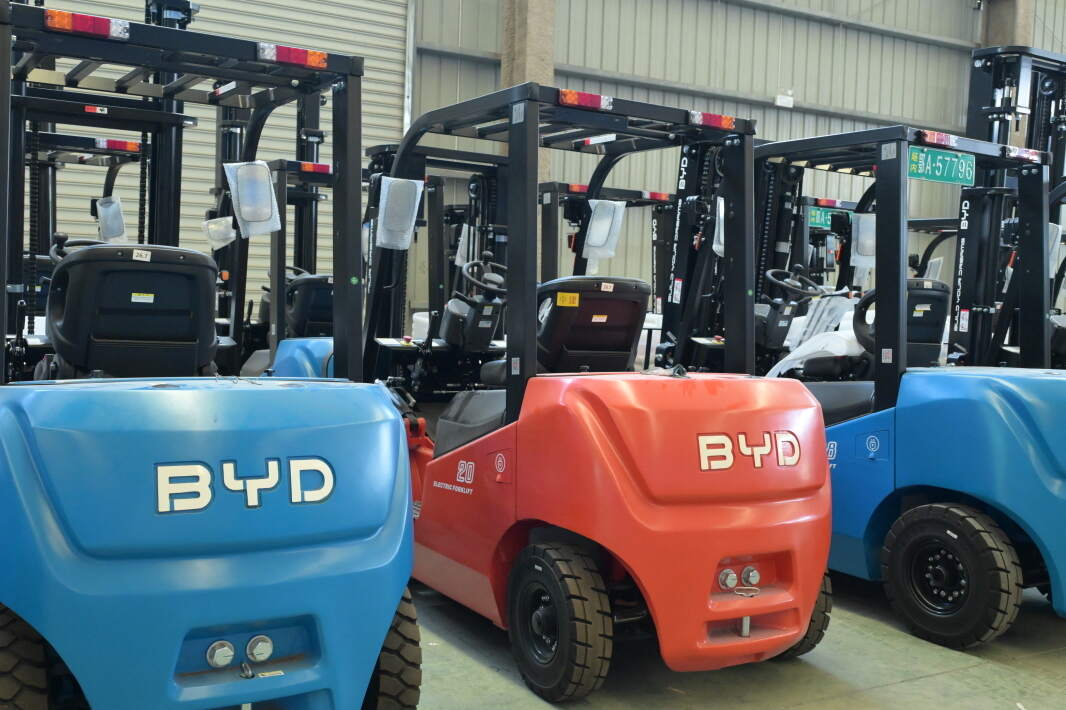
Against the background of low-carbon transformation in the logistics and warehousing sector, electric forklifts have gradually become a core piece of standard equipment for indoor and outdoor material handling scenarios, thanks to their relatively low noise emission, zero on-site exhaust and flexible maneuverability. Many operation teams still have room to optimize their use of this type of equipment, to tap more practical value from existing investment.
Core Daily Operation Norms for Electric Forklifts
Before each shift starts, operators are advised to complete a set of routine pre-checks, covering remaining battery level, brake responsiveness, lifting limit function and surrounding operation environment to rule out hidden risks such as scattered obstacles or slippery road surfaces. During the operation process, it is recommended to avoid overloading the forks beyond the rated load range, reduce sharp steering at high speed, and adjust the driving speed to a proper lower level when passing narrow aisles or pedestrian-intensive areas. For ramp operation, keep the load side facing the upper slope to avoid goods falling off accidentally, and avoid frequent sudden start and stop actions which may cause extra abrasion to the motor and transmission components.
Routine Maintenance Advice for Longer Equipment Service Cycle
The battery module, as the core power component of electric forklifts, needs proper charging management: avoid deep discharging the battery to extremely low level before charging, and do not leave the device connected to the power supply for over 12 consecutive hours after full charging. Operators can wipe the electrode contacts regularly to remove accumulated dust, to keep stable power transmission. For the hydraulic system, conduct periodic visual inspection to spot possible oil leakage in pipelines, and check the tire wear condition every two weeks, replace parts in time if the surface tread depth is lower than the safety threshold. It is not suggested to wash the electrical component area directly with high-pressure water, to prevent moisture from entering the circuit and causing short circuit risks.
Effective Methods to Improve Overall Operation Efficiency
Warehouse management teams can combine the actual cargo placement layout to plan optimized driving routes for forklift operators, to cut unnecessary empty driving mileage during each shift. It is also feasible to arrange regular skill training for all relevant personnel, to help them get familiar with different operation scenarios and master proper adjustment methods for equipment parameters. Teams can also make reasonable shifts based on the peak and valley period of daily cargo flow, to avoid long-time idle of equipment or overloading the operation task on limited personnel. These normalized operation and management measures can help reduce the probability of unplanned downtime, lower overall energy consumption of equipment operation, and support stable and efficient material handling work in various scenarios.


