
 简体中文
简体中文 Русский
 Français
 Português
 Español
 لالعربية
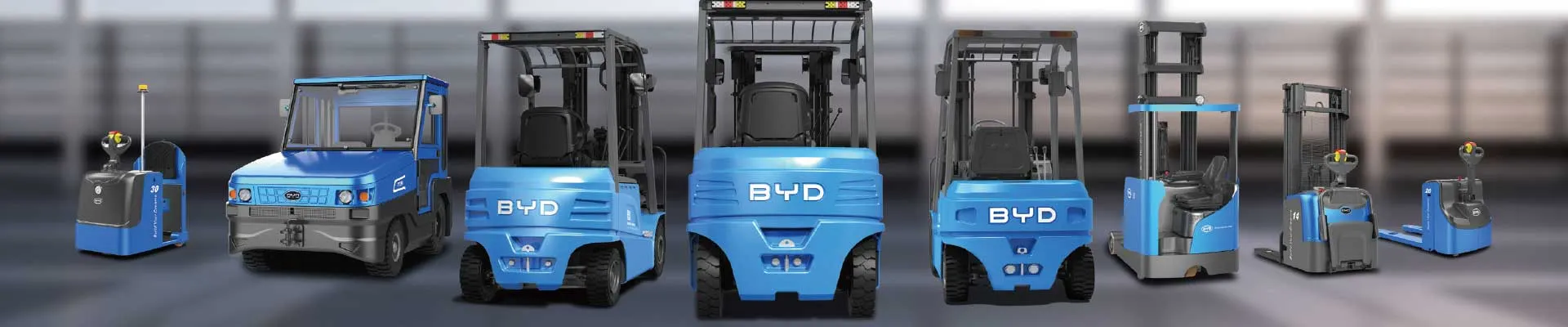
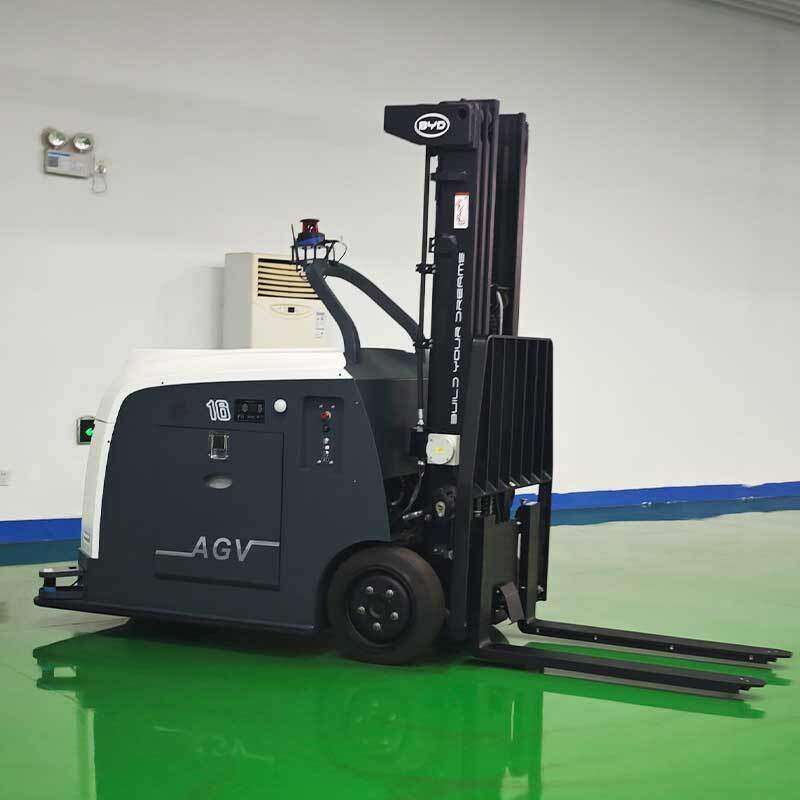
Against the background of low-carbon industrial development, electric forklifts have become one of the most widely used handling equipment in modern logistics, manufacturing and storage scenarios, bringing notable improvements to the safety and stability of indoor material circulation. As a professional in the electric forklift industry, this guide sorts out practical, scene-adapted knowledge points for all operators and management teams in related fields.
Core Functional Advantages of Electric Forklifts
Different from traditional fuel-powered handling equipment, electric forklifts rely on stored electricity as the power source, which produces no exhaust emission during operation, and generates much lower working noise, making them fully suitable for closed indoor operation spaces. The overall energy consumption cost for per hour of operation is relatively stable, and no additional waste gas treatment or fuel supply management work is required, which can help related teams match the current environmental management rules for industrial sites more easily.
Standardized Operation Specifications for Daily Use
All on-site operators need to receive systematic pre-job training before they formally use electric forklifts. Before each shift of operation, personnel need to conduct a quick inspection on the brake system, power status, lifting connection structure and surrounding operation space, to eliminate hidden risks in advance. During the operation process, staff are suggested to avoid overloading the equipment beyond the rated load limit, keep a safe distance from surrounding personnel and stacked goods, and take stable driving measures when passing through ramp areas, to prevent sudden sliding or accidental toppling. When the equipment stays in idle state for more than 5 minutes, operators should cut off the power supply properly to avoid unnecessary power loss.
Routine Maintenance Strategies to Reduce Downtime
Scientific daily maintenance can effectively extend the service cycle of electric forklifts and reduce the probability of unplanned shutdown. The power battery interface should be cleaned regularly to avoid dust or accumulated moisture affecting the charging efficiency, and operators should avoid long-term overcharge or deep over-discharge behavior to keep the battery in good working state. For the hydraulic lifting system, relevant personnel need to check the pipeline sealing condition periodically to prevent hydraulic oil leakage, and check the tire wear degree and lubrication status of transmission parts every 2 to 3 weeks. For the internal circuit components, the equipment should be prevented from being soaked by rain or cleaning water for a long time to avoid short circuit damage.
Scenario Adaptation Optimization Suggestions
For different operation scenarios, teams can adjust the configuration and use habit of electric forklifts to match actual demands. For narrow aisle high-level storage scenarios, users can choose models with corresponding body width and maximum lifting height to improve the utilization rate of warehouse space. For low-temperature cold chain storage scenarios, users can select power modules adapted to low temperature environment to guarantee normal operation efficiency. Through targeted configuration optimization, the overall material handling efficiency of the whole site can be steadily improved.


