
 简体中文
简体中文 Русский
 Français
 Português
 Español
 لالعربية
.jpg "Electric forklift versus engine forklift: fuel, maintenance and indoor emission aspects for buyers(figure1)")
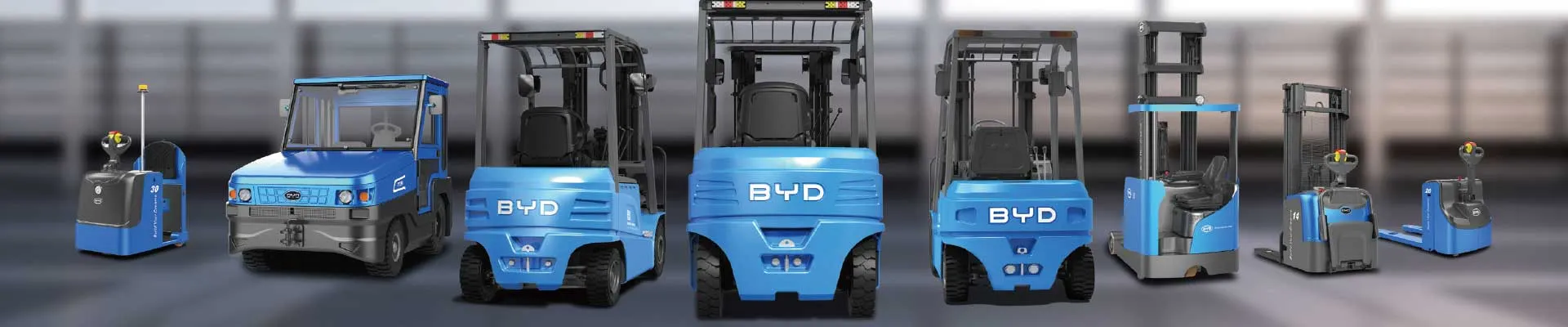
As low-carbon logistics and green warehouse operation concepts gain wider recognition across industrial sectors, electric forklifts have become core supporting equipment for daily material handling work for most operation teams. Unlike traditional internal combustion forklifts, electric forklifts run on stored electrical energy, produce no on-site exhaust emission, generate lower operating noise, and deliver relatively stable power output to adapt to most closed indoor working scenarios.
Basic Operation Compliance for Safe Daily Use
Before starting each shift, operators need to conduct a full visual check around the vehicle to confirm no obvious deformation or damage exists on the load fork, wheel structure and overhead guard, and adjust the seat position and rearview angle to fit their own body size before powering on the equipment. During moving process, operators need to keep the load within the rated load range marked on the nameplate, avoid sharp turning at high speed, and keep a safe distance from surrounding pedestrians and stacking racks to reduce collision risks. When working on sloped surfaces, it is suggested to keep the load end facing the upward direction to prevent the goods from slipping off the forks accidentally.
Routine Maintenance Tips to Extend Service Cycle
The power battery module is the core component that determines the continuous working time of electric forklifts, so operation teams can arrange dedicated staff to conduct regular checks on the battery connection points, and wipe off the dust and accumulated dirt on the surface of the battery shell to avoid abnormal power consumption caused by damp short circuit. After finishing each day’s work, operators are suggested to park the vehicle at the designated charging zone, turn off all power-consuming accessories before connecting the charging cable, and avoid overcharging the battery for more than the specified time listed in the product manual. It is also recommended to check the brake system sensitivity and lifting hydraulic oil level every two weeks, to eliminate minor hidden troubles before they develop into functional faults.
Optimization Methods to Improve Handling Efficiency
For warehouse operation teams, matching the working route planning with the load capacity parameters of electric forklifts can further reduce unnecessary repeated moving trips. Operators can pre-classify the goods to be handled according to their weight and storage position before driving the forklift out of the parking zone, so as to cut down the idle running time during the whole shift. Regularly organizing operation skill sharing sessions for on-site staff can help new operators get familiar with the control logic of the equipment faster, and reduce misoperation behaviors that may cause extra equipment wear.


