
 简体中文
简体中文 Русский
 Français
 Português
 Español
 لالعربية
.jpg "Driving System Error on a Forklift: Causes and Fixes(figure1)")
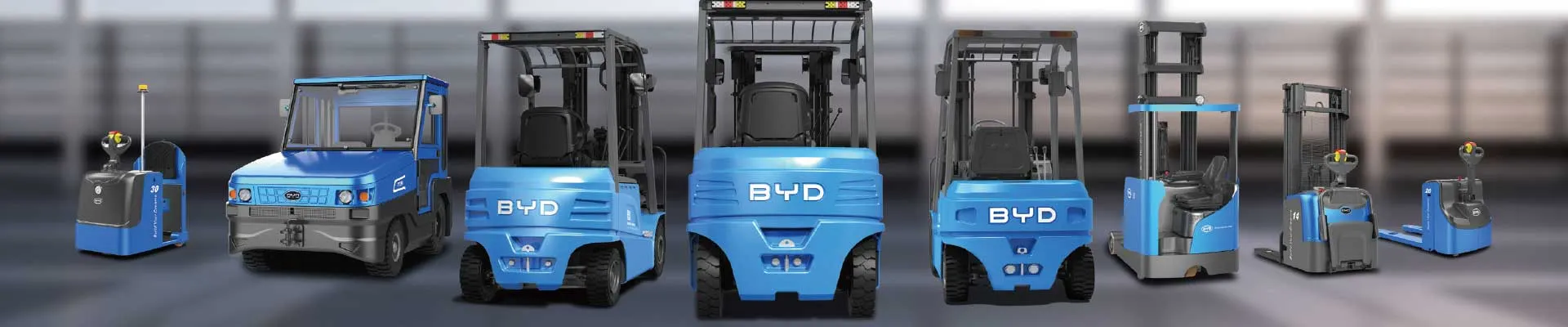
With the continuous development of low-carbon industrial logistics, electric forklifts have become one of the most widely used material handling equipment in various storage and distribution scenarios. Reasonable operation and regular maintenance can effectively exert the equipment’s advantages in low noise, zero local emission and stable output, bringing higher value for logistics operation teams.
Core Operation Specifications for Daily Use
During daily operation, operators need to confirm the actual load weight before lifting goods, and avoid long-time overloading that may cause extra wear of the lifting hydraulic structure. When passing narrow aisles, turning or driving on sloped surfaces, operators should adjust the driving speed to a reasonable range according to on-site conditions, and avoid sharp steering or sudden braking that may cause unstable cargo tilting. Operators should also keep a safe distance from surrounding staff and stacked goods during the whole working process, to reduce potential safety risks in working scenarios.
Routine Maintenance Points for Stable Performance
Routine maintenance is a core link to keep electric forklifts in good working condition for a long time. Operators need to check the remaining power status and the surface of the power component before starting the machine every shift, and clean the dust and debris attached to the heat dissipation structure of the driving motor regularly to avoid heat accumulation that affects operation efficiency. It is also necessary to check the brake sensitivity, hydraulic oil level and tire wear status at regular intervals, and arrange professional personnel to carry out systematic inspection and calibration according to the specified cycle, so as to reduce the probability of sudden equipment failure.
Practical Strategies to Improve Energy Efficiency
To further reduce the operation cost of electric forklifts, the operation team can reasonably plan the goods handling path according to the layout of the warehouse, reduce unnecessary empty driving mileage, and set the equipment to low power consumption mode during short-time standby. Avoid continuous high-load operation for too long, so that the power component can maintain a reasonable working temperature range, which can effectively extend the single charge duration and reduce the whole life cycle operation cost of the equipment.


