
 简体中文
简体中文 Русский
 Français
 Português
 Español
 لالعربية
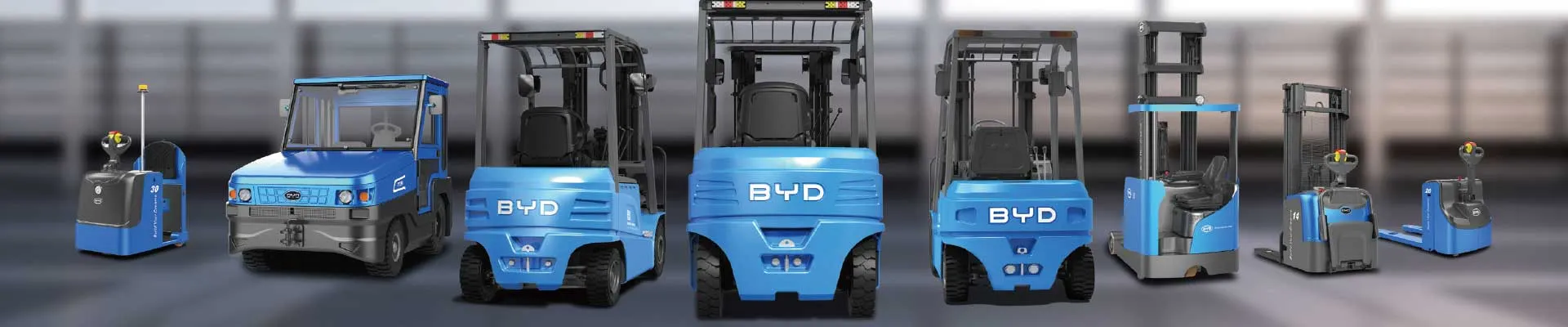
.jpg "Deployment-practice summary for compact electric forklifts within retail-chain-regional-distribution-hubs(figure1)")
Pre-deployment demand assessment is the core foundation for applying compact electric forklifts in retail chain regional distribution hubs. Unlike large industrial distribution centers, retail regional distribution hubs usually have complex spatial layouts, including narrow passageways between dense shelves, frequent loading and unloading connections with front-end retail outlets, and short-distance handling of a large number of scattered daily consumer goods. Before putting compact electric forklifts into use, operation teams need to sort out actual operation indicators of the site, including average daily handling volume, minimum width of internal passages, height of shelf layers, average weight of single goods units, and daily continuous operation duration, so as to match corresponding parameter configuration of compact electric forklifts, avoid equipment performance redundancy or insufficient matching, and lay a good foundation for subsequent efficient operation.
The second part is the standardized process of phased deployment. At the initial stage of deployment, the operation team can arrange a small number of compact electric forklifts to carry out trial operation in the high-frequency operation area close to the loading and unloading port of the distribution hub, record the actual energy consumption, operation efficiency, site adaptability of the equipment in the actual scene, and adjust the operation route and personnel operation specification in time according to the feedback of trial data. After the trial operation period meets the expected effect, the team can gradually expand the coverage of compact electric forklifts to the storage area, sorting area and temporary cargo staging area, and arrange special personnel to be responsible for daily equipment inspection, battery maintenance and charging management, so as to avoid the operation interruption caused by improper maintenance.
The third part is the effect optimization and experience summary in daily operation. In the actual operation process of retail chain regional distribution hubs, the flexible body size of compact electric forklifts can well adapt to the narrow passage operation demand, which effectively reduces the collision risk between equipment and shelves or goods. The zero-emission operation feature of the equipment also conforms to the current low-carbon logistics transformation requirements of retail chains, and will not cause exhaust pollution to the internal closed operation environment of the distribution hub. Operation teams can also set up regular skill training sessions for forklift operators, to further improve the operation safety and handling efficiency. The accumulated practical data of each cycle can be sorted out to continuously optimize the whole deployment system, so as to achieve a balanced improvement of operation benefit, safety performance and environmental protection effect.


