
 简体中文
简体中文 Русский
 Français
 Português
 Español
 لالعربية
_zip.jpg "Deployment-considerations for electric forklifts working adjacent-to-robotic-automation-equipment-zones(figure1)")
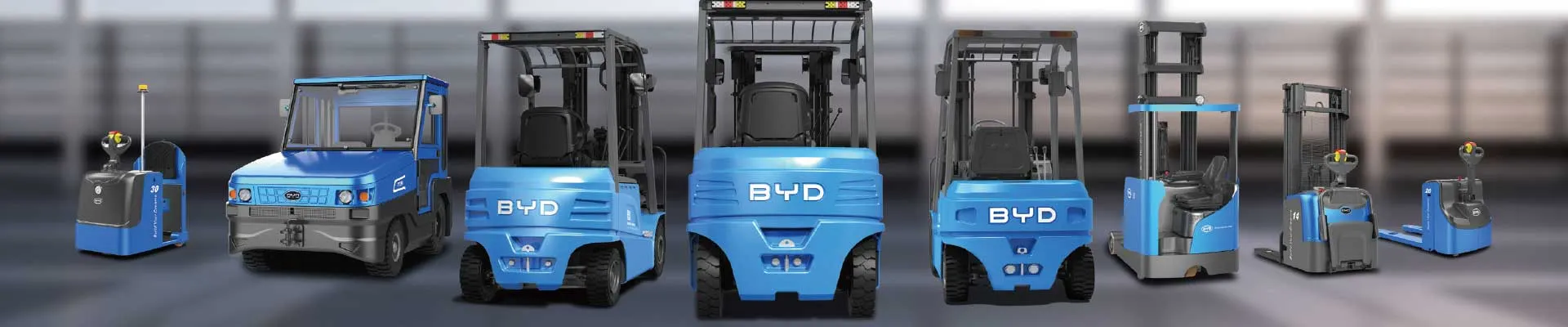
As more modern warehousing and manufacturing sites integrate robotic automation equipment for repetitive high-frequency handling tasks, electric forklifts, which are responsible for flexible, large-load material scheduling, often need to operate in areas adjacent to these automated work zones. Proper deployment planning is the core premise to avoid mutual interference between different operation entities and guarantee continuous, stable site operation.
The first core consideration is clear zoning and boundary configuration. Before putting electric forklifts into operation, site managers should mark distinct physical and visual boundary lines for robotic automation equipment zones, and set up a dedicated buffer transition area between the forklift movable range and the robot core operation area. The width of the buffer zone should be adjusted according to the maximum moving speed of on-site mobile robotic equipment, to reserve enough reaction space for both forklift operators and automated systems. All warning signs set on the boundary should be recognizable by both the visual sensing module of electric forklifts and on-site staff.
The second key point is communication and sensing compatibility verification. Before formal deployment, operation teams need to test the signal operating frequency band of electric forklifts and surrounding robotic automation equipment, to eliminate possible wireless signal crosstalk that may cause positioning deviation or unplanned emergency stop. It is also necessary to adjust the sensitivity of the anti-collision sensing components installed on electric forklifts, to ensure the equipment can trigger graded speed reduction and early warning reminders when it is a preset safe distance away from the edge of the automation zone.
The third part goes to daily operation matching rules. Sites need to formulate targeted operation specifications for forklift drivers working near robotic automation zones, clarify the mandatory speed limit within 5 meters from the buffer zone, and prohibit any unauthorized entry into the robot core operation area. Operation schedules can be optimized to stagger the peak operation time of electric forklifts and mobile robotic equipment as much as possible, to reduce unnecessary cross path conflicts. Regular joint safety drills for both forklift operation teams and automation equipment maintenance teams can help improve the overall emergency response capacity, and effectively reduce the probability of unplanned operation stagnation. Scientific deployment can give full play to the flexible scheduling advantage of electric forklifts while maintaining the stable operation rhythm of the automation zones, to finally improve the overall operation efficiency of the whole site.


