
 简体中文
简体中文 Русский
 Français
 Português
 Español
 لالعربية
.jpg "- Cold Storage Batteries: Lithium Performance Below Freezing(figure1)")
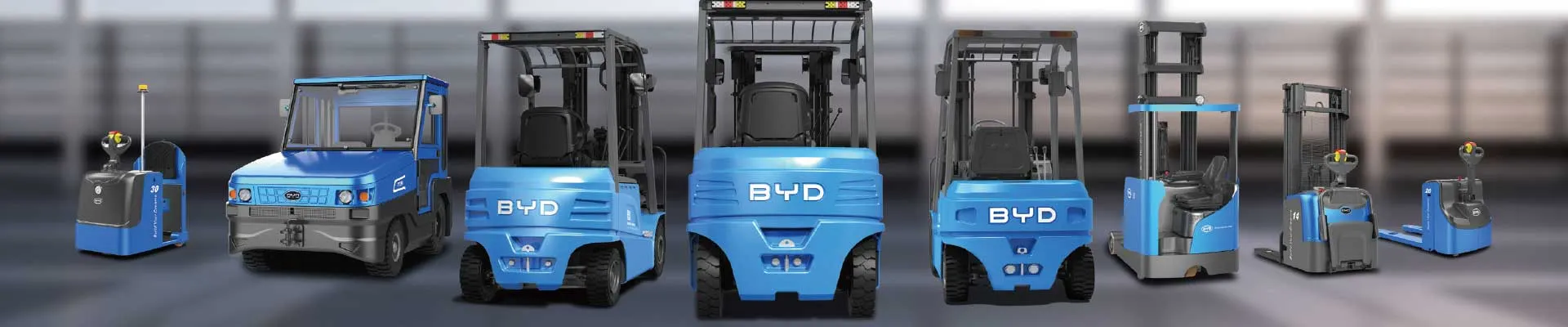
Against the background of accelerating low-carbon transformation in global logistics industry, electric forklifts have become one of the most widely adopted core equipment for indoor material handling scenarios for their zero local emission, low noise and relatively low long-term operation cost. Mastering correct use and management rules of electric forklifts can help relevant teams reduce unnecessary equipment loss, lower operation cost and promote overall workflow efficiency.
Basic Specification for Daily Electric Forklift Operation
Before starting any shift work, operators need to complete full pre-checks on core modules including power system, braking structure, lifting mechanism and warning indicator, to confirm no hidden risk exists before formal operation. During the operation process, operators need to control the load weight strictly within the rated load range, avoid sharp steering or sudden braking on slippery ground, and keep proper safety distance with surrounding personnel, shelves and stacked goods. For different indoor road conditions with certain slopes, operators should keep the load face towards the uphill direction to avoid slipping of goods or unexpected equipment tilting. Operators are also suggested to avoid long time continuous high load operation in high temperature environment, to prevent abnormal overheating of core electrical components.
Scientific Daily Maintenance Tips for Electric Forklifts
Different from internal combustion forklifts, electric forklifts focus more on the maintenance of power modules and electrical connection components in daily management. Teams need to arrange regular inspection for the battery pack, check the tightness of each wiring interface, and keep the surface of the battery clean and dry to avoid accidental short circuit. After each shift, operators need to park the equipment in the designated area, turn off all power supply systems completely, and complete corresponding charging procedures according to official operation requirements, avoid overcharging or deep power loss for a long period which may shorten the overall service life of the power system. Regular lubrication for the rotating parts of the lifting mechanism and the walking wheel shaft can also reduce extra wear and lower the probability of sudden failure during peak working hours.
Feasible Methods to Improve Using Efficiency of Electric Forklifts
For warehouse management teams, reasonable route planning for electric forklift operation can effectively reduce repeated driving distance, save power consumption and promote the whole handling efficiency. Teams can arrange corresponding operation training for operators regularly, to help them master more optimized operating postures and skills, reduce unnecessary misoperation. It is also advisable to arrange periodic overall performance calibration for the whole equipment, to make sure all functional modules stay in good working condition, matching the actual handling demand of the warehouse scenario.


