
 简体中文
简体中文 Русский
 Français
 Português
 Español
 لالعربية
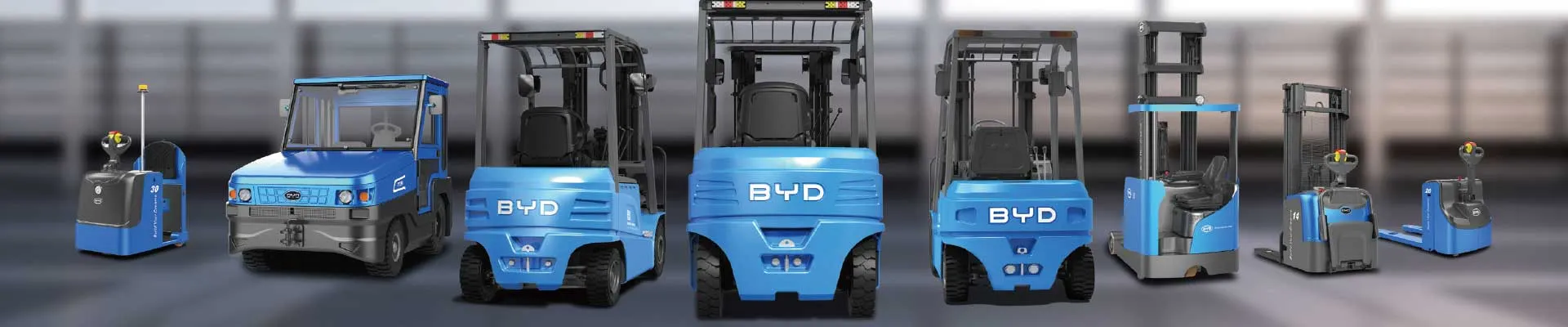
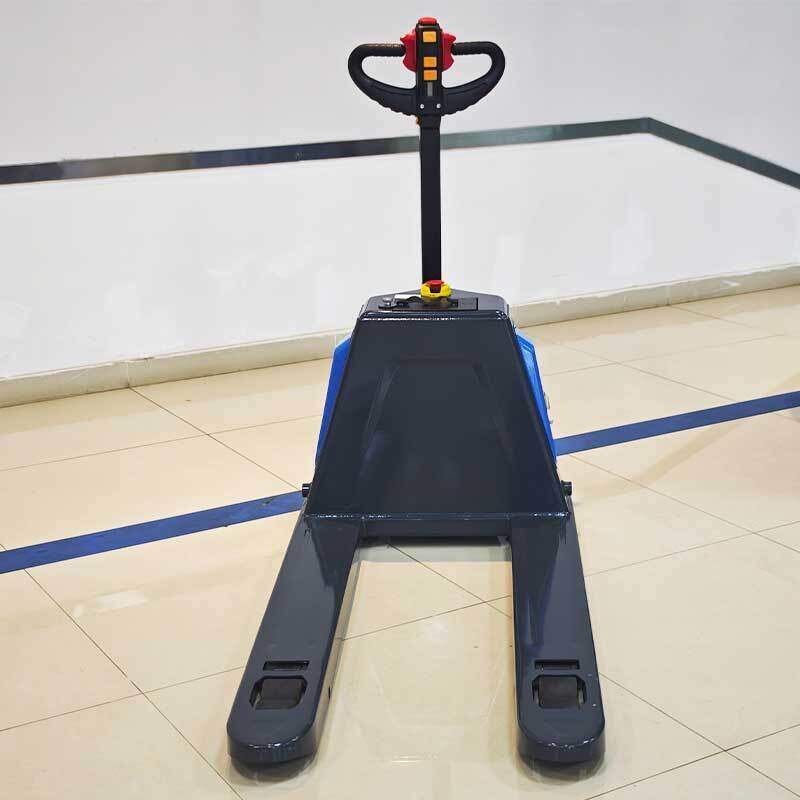
As low-carbon logistics solutions gain wider adoption across global industrial scenarios, electric forklifts have become a core piece of material handling equipment for most indoor and semi-outdoor operation sites. Unlike internal combustion counterparts that rely on fossil fuels, electric forklifts deliver zero local emissions, lower noise levels and more stable output in frequent short-distance handling tasks. To maximize the value of this equipment, operators and site managers need to master systematic operation and maintenance knowledge that fits actual usage scenarios.
Standardized Daily Operation Basics
Many common faults of electric forklifts are caused by non-standard operation habits accumulated over long-term use. Operators need to complete pre-start checks before each shift, including confirming the remaining power level, checking the flexibility of lifting and steering mechanisms, and verifying the normal function of safety alert systems. During operation, avoid sudden acceleration or sharp steering when carrying full loads, and do not place heavy objects on the end of the forks to prevent unbalanced load that may cause extra wear on the drive motor and hydraulic components. When the equipment is not in use for more than 30 minutes, operators should turn off the power system to avoid unnecessary power consumption of idle components.
Targeted Routine Maintenance Practices
Regular maintenance can effectively reduce the probability of unexpected downtime and extend the overall service cycle of electric forklifts. The core component of the power system needs regular inspection of the connection points of the battery pack, to clear accumulated dust and sundries on the surface to ensure good heat dissipation performance. For the walking and driving components, staff should check the wear degree of tires every two weeks, remove the small stones and sundries embedded in the tire gaps to avoid uneven force on the driving axle. The hydraulic oil in the lifting system should be replaced according to the specified cycle, and the sealing rings of the oil pipeline should be checked for aging signs regularly to avoid oil leakage that affects the stability of the lifting function.
Scenario-based Performance Optimization Tips
Different operation scenarios can adjust the operation parameters of electric forklifts properly to get better use effect. For high-frequency continuous operation sites such as e-commerce sorting warehouses, users can arrange reasonable charging gaps between shifts to avoid deep discharge of the battery pack, which can effectively keep the battery capacity at a relatively stable level. For narrow aisle operation scenarios, operators can adjust the steering sensitivity parameters within the allowed range to get more precise control experience, and reduce the risk of collision between the equipment and surrounding shelves. All adjustment and maintenance operations should follow official technical specifications, and do not disassemble the core components without professional guidance to avoid potential safety hazards.


